-
iestinstrument

Abstract
📄 Source Paper
First Authors: Bo Wang, Kuo Li, Ge Xu, Zihan Zhang · Corresponding Authors: Prof. Jianyu Huang, Prof. Yongfu Tang, Prof. Hui Yang
DOI: 10.1002/anie.202502725
| Journal: Angewandte Chemie International Edition
| Affiliations: College of Environmental and Chemical Engineering, Yanshan University · College of Materials Science and Engineering, Yanshan University · School of Aeronautics and Astronautics, Huazhong University of Science and Technology
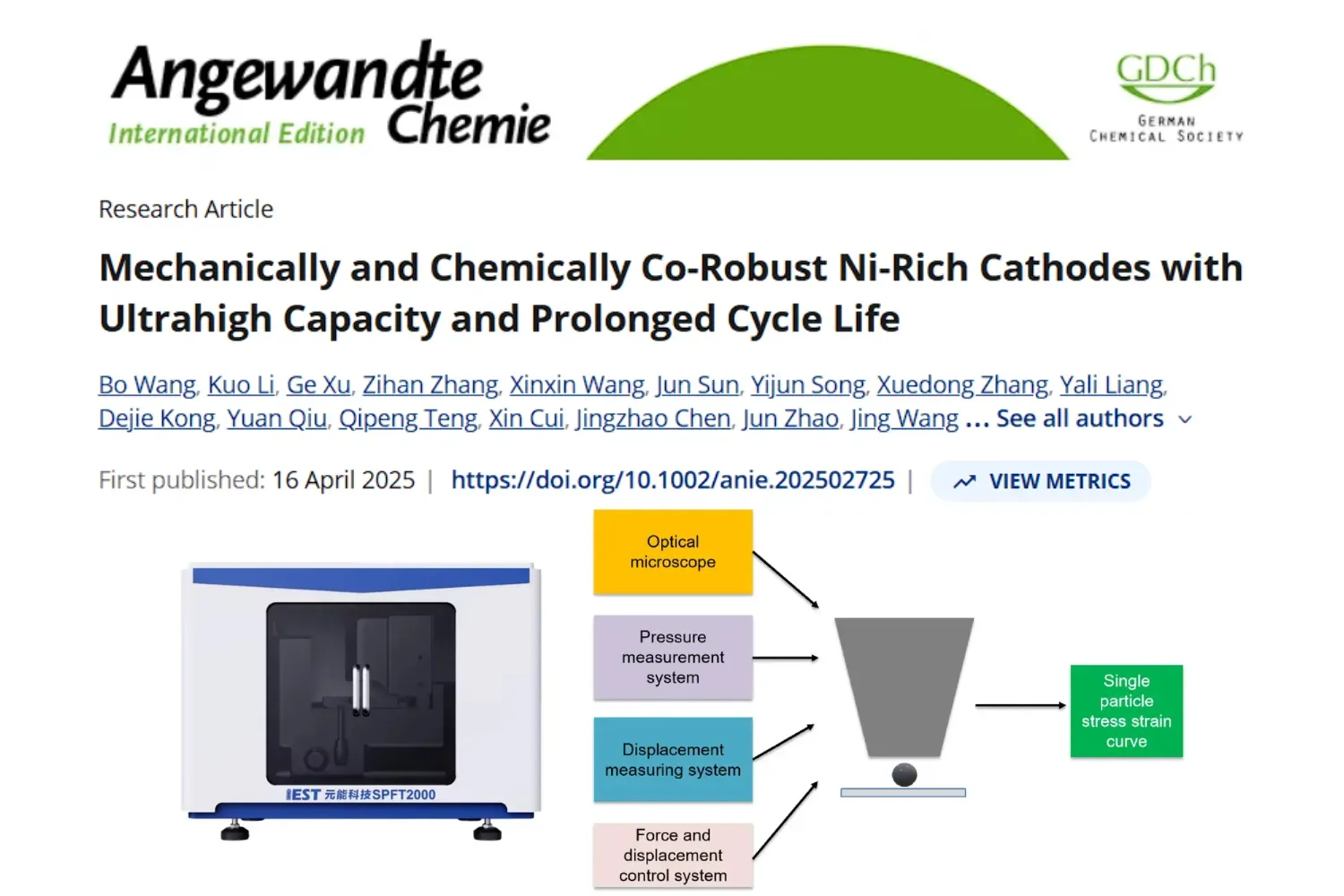
✓ IEST Single Particle Force Properties Test System (SPFT2000) used in this research
1. Introduction of Grain-Refinement and Mechanical Performance
Low-content Nb doping (0.5 wt.% Nb) was employed to avoid surface-coating artifacts. Rietveld refinement of XRD patterns confirms that both pristine NCM811 and NCM811-0.5Nb adopt the α-NaFeO₂-type hexagonal (R-3m) structure, with Nb doping slightly expanding lattice parameters and unit-cell volume. The Li⁺/Ni²⁺ mixing ratio decreases from 4.1% in NCM811 to 1.7% in NCM811-0.5Nb. FIB-SEM reveals that Nb doping markedly refines particle size, increases packing density, and eliminates internal voids — manifesting a “fine-grain strengthening” effect. Aberration-corrected STEM imaging shows fused grain boundaries and formation of low-angle boundaries, which profoundly enhance mechanical robustness. The IEST Single Particle Force Properties Test System (SPFT) demonstrates that for 5.1 μm particles, the fracture stress of NCM811-0.5Nb exceeds that of undoped NCM811, directly confirming Nb’s role in mechanical reinforcement at the single-particle level.
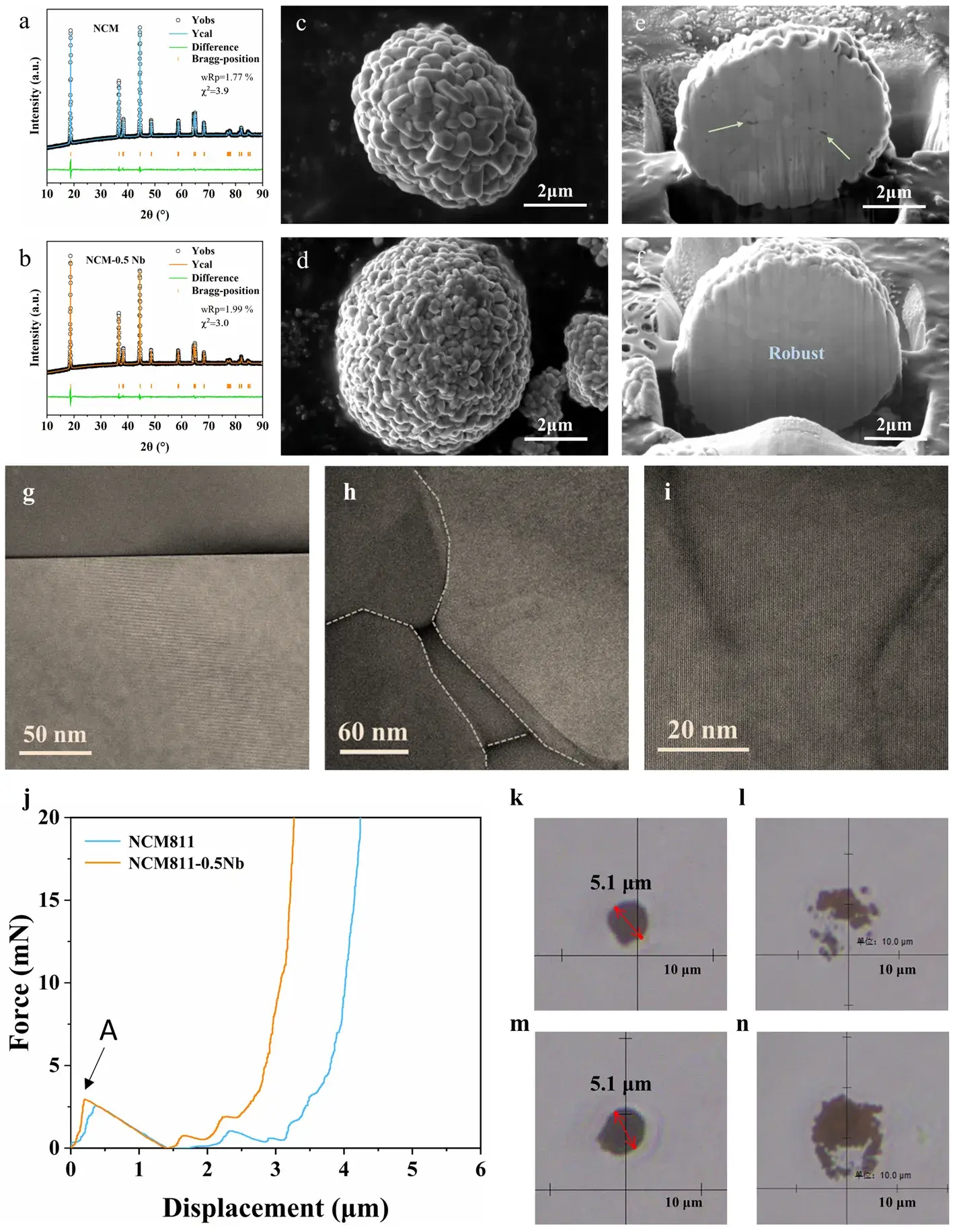
Figure 1. Morphology, microstructure, and mechanical behavior of NCM811 vs. NCM811‑0.5Nb.
2. Electrochemical Performance and Li⁺ Diffusion Enhancement
In the 2.8–4.3 V window, NCM811-0.5Nb delivers an ultrahigh discharge capacity of 233.8 mAh/g at 0.1C — far surpassing 199.2 mAh/g for pristine NCM811. dQ/dV spectra show three redox couples corresponding to H1→M→H2→H3 transitions. The enhanced capacity of NCM811-0.5Nb predominantly arises from the H1–M–H2 regime. Nb doping lowers peak intensity for H1→M and shifts H2→H3 to lower potentials, indicating accelerated phase-transition kinetics and improved monoclinic-phase stability. After 500 cycles at 1C, capacity retention is 80.5% for NCM811-0.5Nb versus 68.0% for NCM811.
GITT measurements reveal that the Li⁺ diffusion coefficient (DLi+) increases from 1.0×10⁻⁸ cm²/s in NCM811 to 3.0×10⁻⁸ cm²/s in NCM811-0.5Nb. DFT calculations further show that Nb expands interlayer spacing, reducing electrostatic barriers along both octahedral–octahedral direct hops (ODH) and tetrahedral-site-mediated hops (TSH). PDOS analysis indicates stronger Ni 3d–O 2p hybridization, with broadened t₂g bandwidth and increased states near the Fermi level, facilitating charge transfer during Ni oxidation.
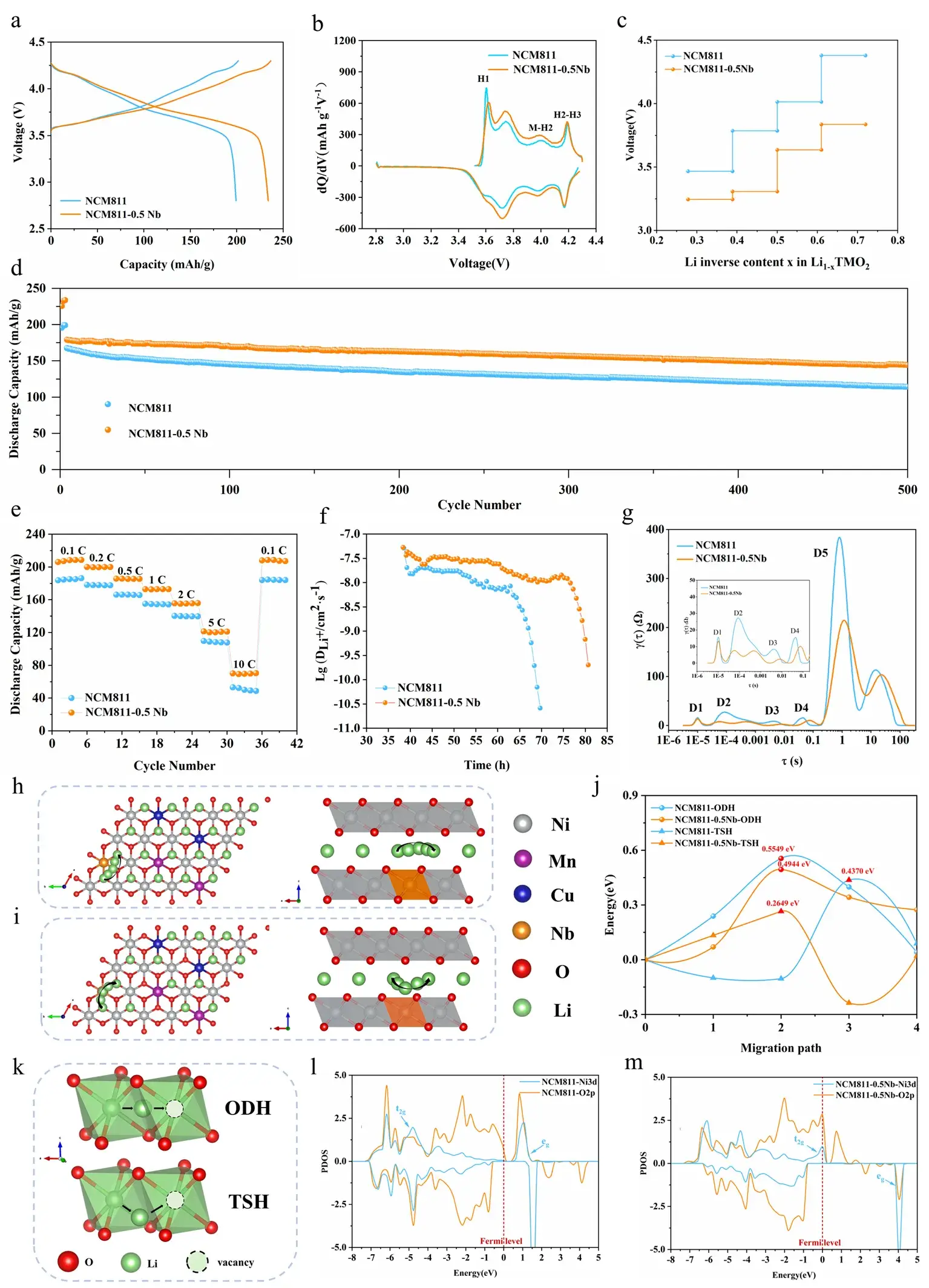
Figure 2. Rate capability and cycle stability of NCM811 vs. NCM811-0.5Nb, plus DFT-derived Li⁺ migration pathways and PDOS.
| Parameter | LFP | NCM | Graphite |
|---|---|---|---|
| Ea (eV) | 0.116 | 0.041 | 0.025 |
| A (S/cm) | 0.713 | 0.392 | 0.450 |
| Feature | Tesla 4680 Battery | BYD Blade Battery |
|---|---|---|
| Cell Format | Cylindrical (46 mm × 80 mm) | Prismatic (long, flat Blade) |
| Chemistry | NCM811 (Nickel-Cobalt-Manganese) | LFP (Lithium Iron Phosphate) |
| Gravimetric Energy Density | 241 Wh/kg | 160 Wh/kg |
| Volumetric Energy Density | 643.3 Wh/L | 355 Wh/L |
| Volume-Specific Heat Generation (1C) | 2.3× higher than Blade | Baseline (lower) |
| Material Cost Advantage | Benchmark | ~€10/kWh lower |
| Electrode Assembly | Tabless jelly-roll, laser welding | Stacked lamination, hybrid laser + ultrasonic welding |
| Anode Binder | PAA + PEO | CMC + SBR |
| Core Market | High-performance, long-range EVs | Mass-market, cost-sensitive EVs |
| No. | Detector Type | Type of Gas | Concentration% | |
|---|---|---|---|---|
| Over Charge Gas | Over Discharge Gas | |||
| 1 | TCD | H2 | 56.240 | 39.467 |
| 2 | FID | CO2 | 8.718 | 0.006 |
| 3 | C2H4 | 0.142 | 0.026 | |
| 4 | C2H6 | 7.269 | 10.109 | |
| 5 | C2H2 | 0.000 | 0.013 | |
| 6 | CH4 | 3.794 | 11.001 | |
| 7 | CO | 9.626 | 0.099 | |
NCM811 vs NCM811-0.5Nb: Key Performance Metrics
| Parameter | Pristine NCM811 | NCM811-0.5Nb |
|---|---|---|
| Discharge capacity (0.1C) | 199.2 mAh/g | 233.8 mAh/g |
| Capacity retention (500 cycles, 1C) | 68.0% | 80.5% |
| Li+/Ni2+ mixing ratio | 4.1% | 1.7% |
| Li+ diffusion coefficient (DLi+) | 1.0×10⁻⁸ cm2/s | 3.0×10⁻⁸ cm2/s |
| Fracture stress (5.1 µm particles, SPFT) | Baseline | Higher than pristine |
| Microcracks after 500 cycles (SEM) | Extensive intergranular cracking | No observable cracks |
| H2–H3 lattice fatigue (in-situ XRD) | Significant | Significantly mitigated |
3. Suppression of Fatigue-Induced Phase Changes
In-situ XRD reveals that repeated H2–H3 cycling induces lattice fatigue in pristine NCM811, whereas Nb doping significantly mitigates this degradation, maintaining phase coherence throughout cycling.
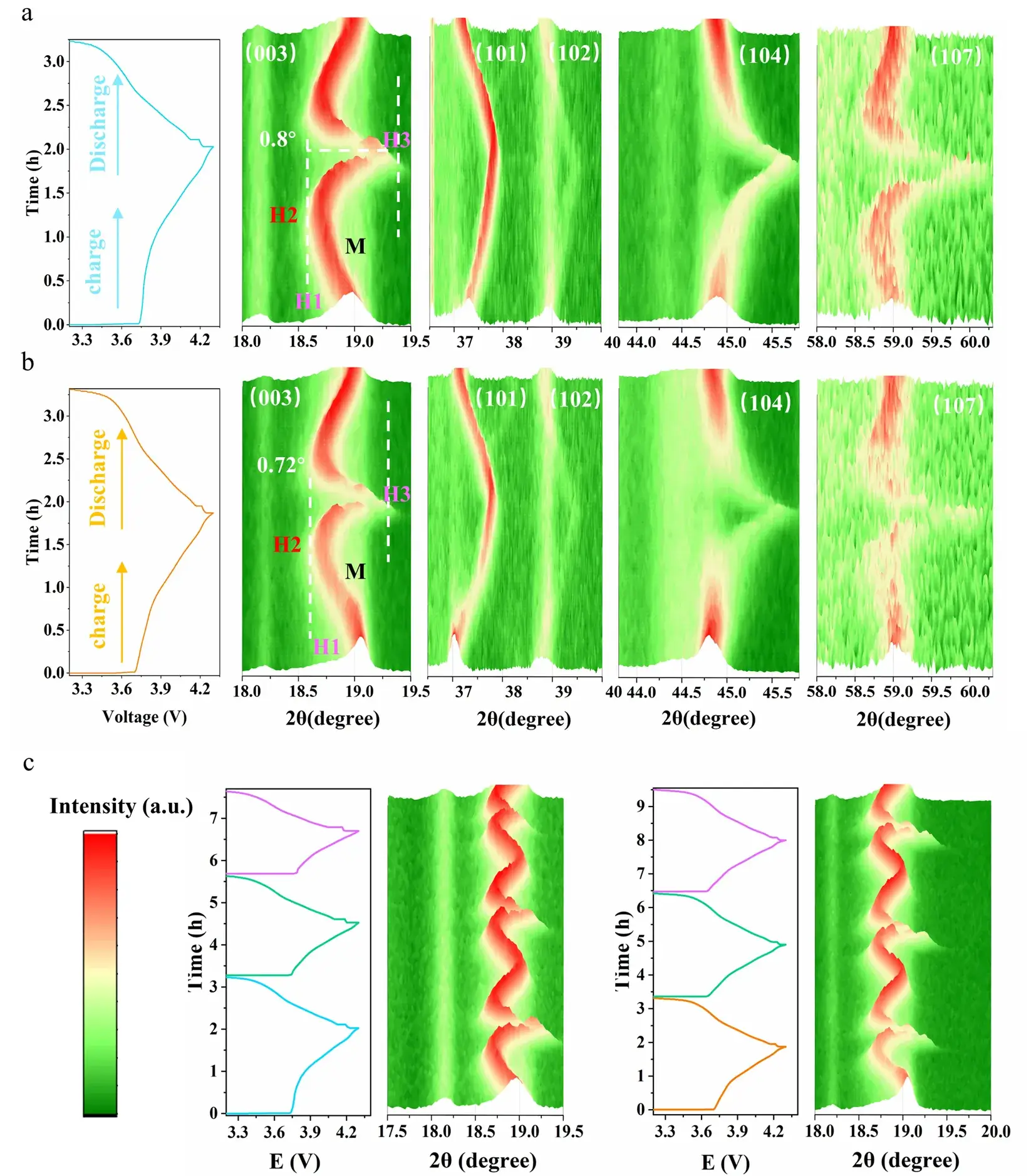
Figure 3. In-situ XRD monitoring of phase evolution under galvanostatic cycling.
4. Microcrack Formation and Stabilization Mechanisms in Ni-Rich Cathodes
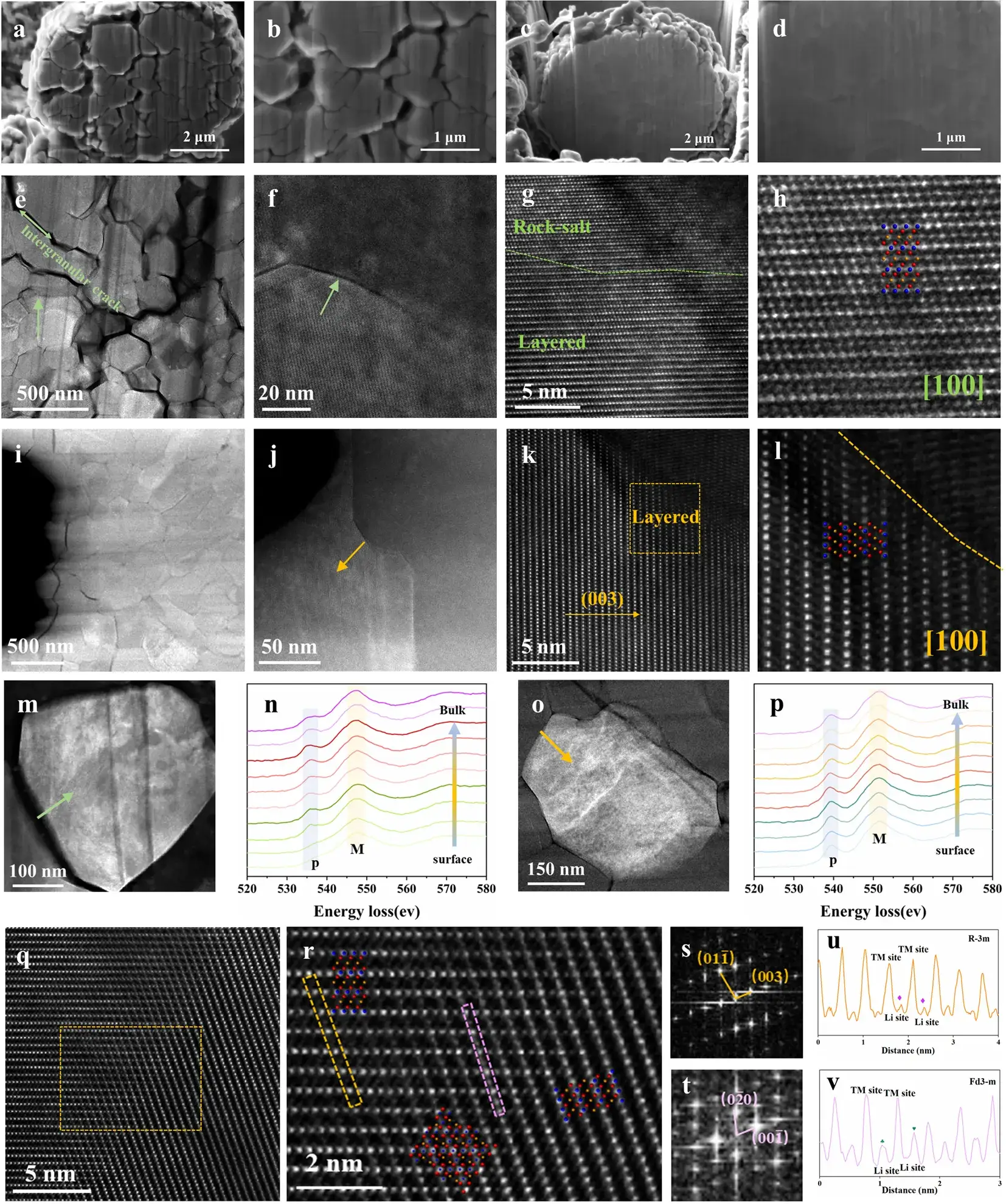
The study identifies microcrack propagation as a primary degradation mode in Ni-rich cathodes during extended cycling. Cross-sectional SEM imaging after 500 cycles reveals significantly more cracks in NCM811 compared to Nb-doped NCM811-0.5Nb.
Microstructural Evolution Analysis (HAADF-STEM)
-
NCM811: Extensive intergranular cracks initiate at secondary particle cores and propagate along grain boundaries (GBs). These cracks facilitate electrolyte penetration, exacerbating interfacial side reactions. GBs act as strain concentration sites, accumulating cyclic stress and causing severe particle fracturing.
-
NCM811-0.5Nb: No observable cracks after 500 cycles; secondary particles maintain structural cohesion.
Stabilization Mechanisms Enabled by Nb⁵⁺ Doping
-
Grain Refinement Strengthening:
-
Nb doping reduces primary particle size, inducing a “grain refinement” effect analogous to ceramic/alloy strengthening.
-
Increased GB density dissipates internal strain energy, suppresses crack propagation, and enhances mechanical robustness.
-
-
Lattice Oxygen Stability (EELS Analysis):
-
O K-edge spectra exhibit two characteristic peaks:
-
Pre-edge (P): Arises from electronic transitions from O 1s to unoccupied states hybridized with TM 3d orbitals.
-
Main peak (M): Corresponds to transitions from O 1s to Ni 4sp bands.
-
-
NCM811: Reduced P/M ratio at GB surfaces indicates oxygen vacancies due to surface-preferential oxygen release. This accelerates disordered phase formation and degrades Li⁺ diffusion kinetics.
-
NCM811-0.5Nb: Uniform TM oxidation states and higher P/M ratio confirm stabilized lattice oxygen. Strong Nb–O bonding mitigates oxygen release, disrupting the degradation cascade.
-
-
Spinel Twin Boundary Formation:
-
Post-cycling observations reveal epitaxial growth of spinel twin boundaries between layered-structure grains.
-
These boundaries—comprising spinel phases epitaxially bonded to adjacent layered domains—originate from Nb-induced grain refinement and regulated interfacial stress.
-
They constrain complete disordering and alleviate abrupt internal strain during H2↔H3 phase transitions, significantly enhancing long-term cyclability.
-
To further investigate stress and damage evolution in NCM811 and NCM811-0.5Nb secondary particles during delithiation, the authors performed chemo-mechanical simulations in ABAQUS. Figure 5 illustrates Li⁺ extraction propagating from the core to the surface of secondary particles, facilitated by interlayer channels and grain boundaries (GBs) within primary grains.
Simulation Methodology:
-
Boundary Condition: A normalized Li concentration CLi = 0.5.CLi = 0.5 was applied at the particle surface to ensure numerical convergence.
-
Concentration Range: CLi varied from 1.0 (fully lithiated) to 0.5 (partially delithiated), with CLi=0 representing complete delithiation.
Key Findings:
-
NCM811:
-
Random grain orientations generated highly heterogeneous Li⁺ concentration distributions during delithiation.
-
This inhomogeneity induced severe mismatch stress at GBs, triggering intergranular damage and crack initiation.
-
Stress relaxation occurred as cracks propagated along GBs.
-
-
NCM811-0.5Nb:
-
Nb doping reduced grain orientation disparities, yielding a more homogeneous Li⁺ concentration profile.
-
Improved concentration uniformity alleviated GB mismatch stress and mitigated particle degradation.
-
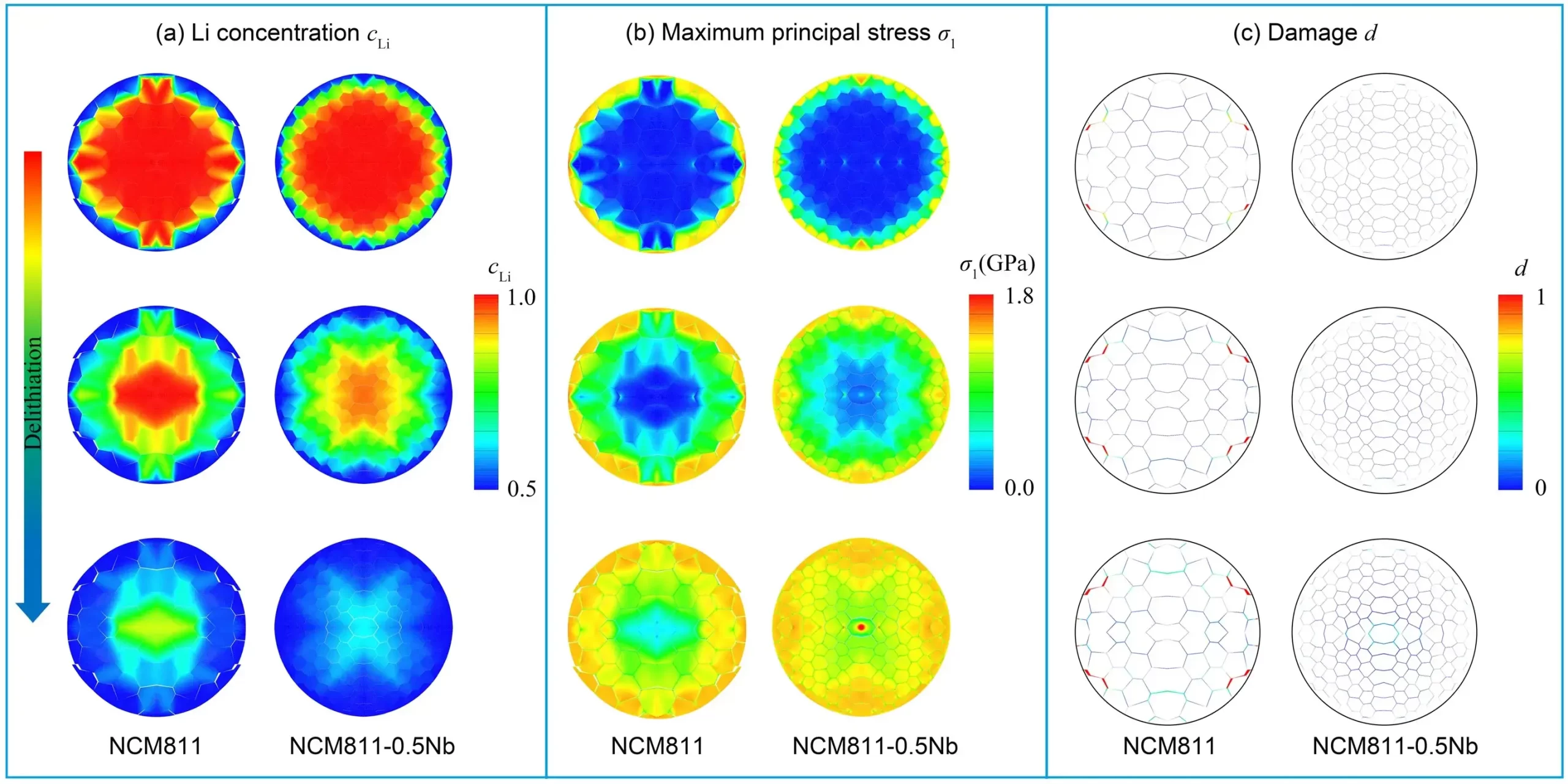
Figure 5. Finite-element profiles of normalized Li concentration and resulting stress fields during delithiation.
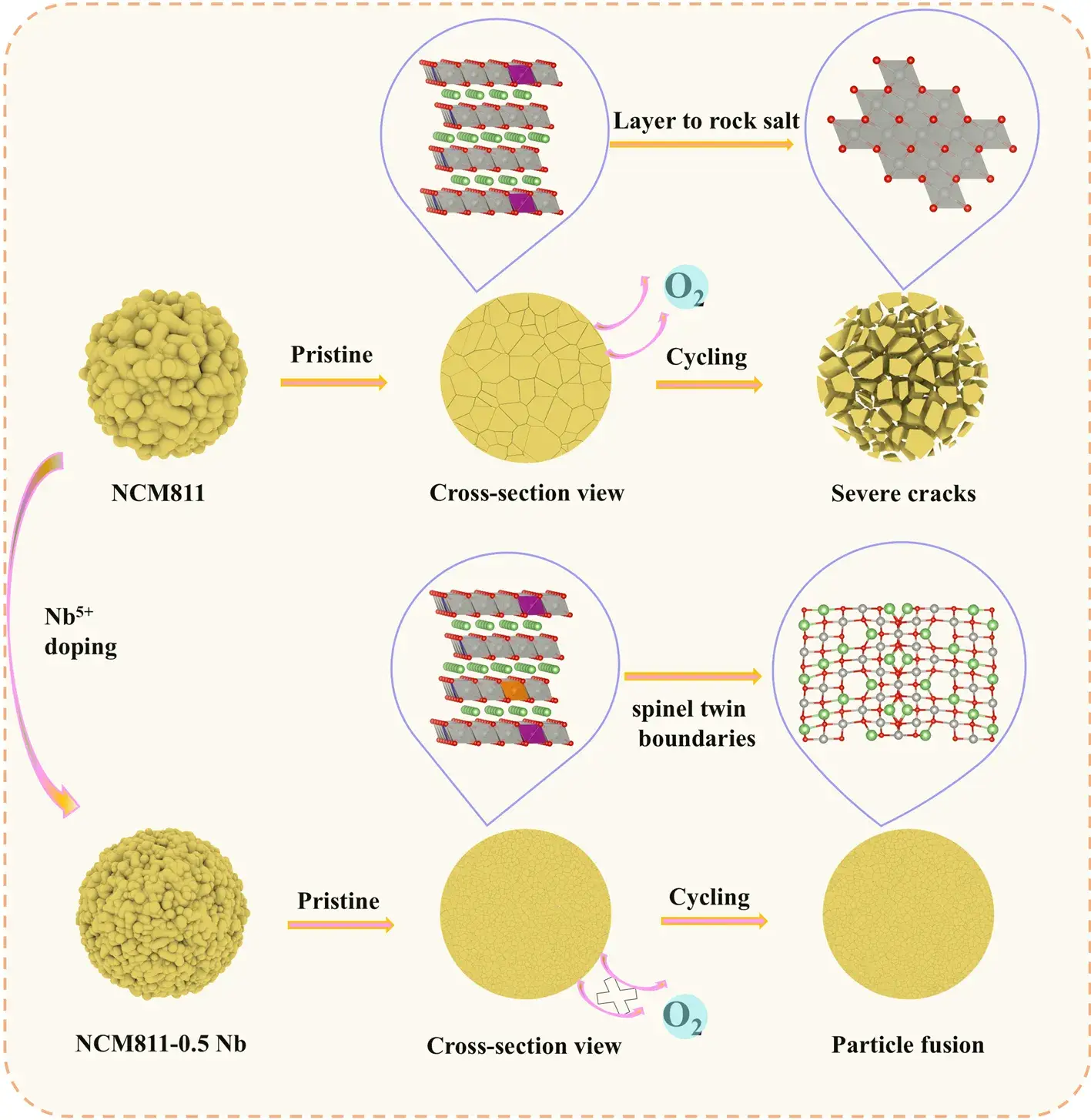
Figure 6. Schematic of failure mechanism in NCM811 and Nb-doped improvement strategy.
5. Summary and Outlook
The coupled mechanical and chemical effects of Nb⁵⁺ doping on Ni-rich layered oxide cathodes (NRLOs) have been elucidated. Mechanically, Nb doping refines primary crystallites and fuses grain boundaries, effectively relieving internal stresses during the H2–H3 phase transition and preventing microcrack initiation throughout cycling — corroborated by coupled chemo-mechanical simulations in ABAQUS. Chemically, Nb incorporation strengthens Nb–O bonds and expands the interlayer spacing, suppressing transition-metal (TM) migration from the TM layer into the Li layer, thereby reducing Li/Ni antisite defect formation during synthesis and electrochemical cycling. First-principles calculations confirm that Nb doping lowers the Li⁺ migration energy barrier within the layered lattice, enhancing Li⁺ diffusivity. Post-cycle microstructural analysis reveals the formation of spinel-type twin boundaries, which further facilitate Li⁺ transport while inhibiting additional crack propagation and particle pulverization.
This simple Nb-doping strategy achieves high capacity, rapid charging capability, prolonged cycle life, and maintained safety — without compromising the performance requirements of next-generation electric vehicle batteries. Nonetheless, long-term cycling stability of high-Ni layered cathodes remains a challenge. Future efforts will focus on designing and implementing strategies to control grain size, grain orientation, and lattice chemistry to further increase specific capacity and, from a chemo-mechanical perspective, enhance structural robustness of layered oxide cathodes. Although scaling these approaches for large-scale production poses significant hurdles, this work provides critical scientific guidance for the development of high-performance layered oxide cathode materials for high-energy-density storage applications.
6. Testing Instrument Recommendation
IEST Single Particle Force Properties Test System(SPFT2000)
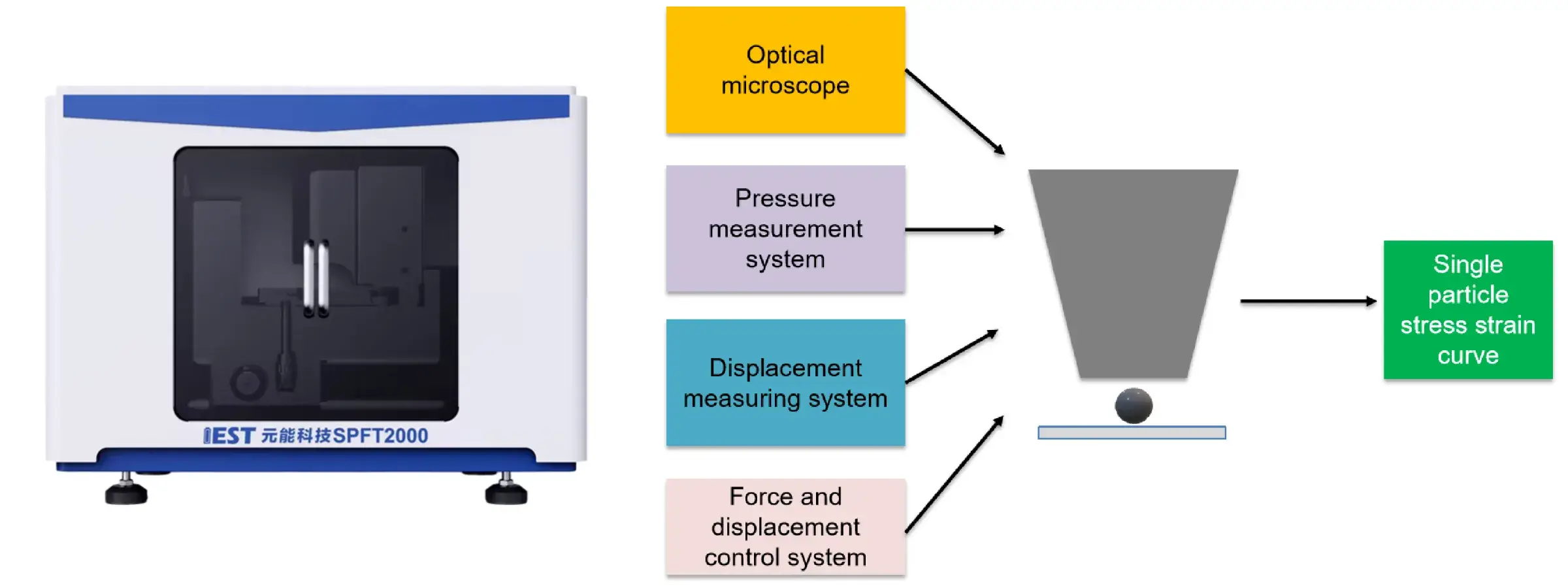
Application:
- Testing the crushing strength of battery material particles
- Can be used to evaluate the pressure resistance of the material
- Guide the rolling process
- Materials with high mechanical strength will have better subsequent cycle stability.
7. References
8. FAQs
8.1 Why do Ni-rich cathodes crack during cycling?
Ni-rich cathodes crack during cycling because repeated lithiation and delithiation cause anisotropic lattice expansion and contraction, particularly during the H2–H3 phase transition. In secondary particles composed of many randomly oriented primary grains, this anisotropic strain generates severe mismatch stress at grain boundaries, which act as strain concentration sites. Over repeated cycles, this accumulated stress initiates intergranular cracks that propagate along grain boundaries, allowing electrolyte penetration that further accelerates interfacial side reactions and capacity fade. Cross-sectional SEM of pristine NCM811 after 500 cycles shows extensive intergranular cracking as the dominant degradation mode.
8.2 How does Nb⁵⁺ doping prevent microcracking in NCM811 Ni-rich cathodes?
Nb⁵⁺ doping prevents microcracking in NCM811 through grain refinement — an effect analogous to ceramic or alloy strengthening. Nb doping reduces primary particle size and fuses grain boundaries, increasing grain boundary density, which dissipates internal strain energy more effectively across a larger boundary network rather than concentrating stress at fewer, larger interfaces. Nb doping also reduces grain orientation disparities within secondary particles, yielding a more homogeneous lithium concentration profile during delithiation (confirmed by ABAQUS chemo-mechanical simulation) and alleviating the grain-boundary mismatch stress that drives crack initiation. Cross-sectional SEM after 500 cycles shows no observable cracks in Nb-doped NCM811-0.5Nb, compared to extensive cracking in undoped NCM811.
8.3 What are spinel twin boundaries and how do they improve Ni-rich cathode cycle life?
Spinel twin boundaries are epitaxially bonded interfaces between spinel-phase regions and adjacent layered-structure grains that form post-cycling in Nb-doped Ni-rich cathodes. They originate from Nb-induced grain refinement combined with regulated interfacial stress during cycling. These boundaries improve cycle life in two ways: they constrain complete structural disordering that would otherwise progress unchecked, and they alleviate abrupt internal strain during the H2↔H3 phase transitions that are a primary source of cathode degradation. The combination significantly enhances long-term cyclability — spinel twin boundary formation is one of three coupled mechanisms (alongside grain refinement and lattice oxygen stabilization) identified as responsible for the improved performance of Nb-doped NCM811.
8.4 How is fracture stress of single Ni-rich cathode particles measured?
Fracture stress of single Ni-rich cathode particles is measured using a single particle force properties test system, such as the IEST SPFT2000, which applies a controlled compressive load directly to an individual particle while recording force and displacement until fracture occurs. This technique isolates the mechanical strength of individual secondary particles — independent of electrode-level porosity, binder distribution, or conductive additive network effects — enabling direct comparison of material formulations. In this study, single-particle testing on 5.1 μm particles confirmed that Nb-doped NCM811-0.5Nb has higher fracture stress than undoped NCM811, providing direct mechanical validation of the grain-refinement strengthening mechanism observed in microscopy and simulation.
8.5 What is the difference between mechanical and chemical degradation mechanisms in Ni-rich layered oxide cathodes?
Mechanical degradation in Ni-rich layered oxide cathodes refers to physical damage — primarily intergranular microcrack initiation and propagation driven by anisotropic strain during phase transitions, which fractures secondary particles and exposes fresh surface to electrolyte. Chemical degradation refers to processes such as surface-preferential oxygen release, transition-metal migration into lithium layer sites (forming Li/Ni antisite defects), and rock-salt phase formation at the particle surface, which degrade lithium-ion transport kinetics independent of mechanical fracture. These two degradation pathways are often coupled — cracks expose fresh surface prone to chemical degradation, while chemical instability can weaken the lattice mechanically — which is why this study’s Nb⁵⁺ doping strategy targets both simultaneously: grain refinement addresses the mechanical pathway while strong Nb–O bonding addresses the chemical oxygen-release pathway.