
Chinese power battery giant Contemporary Amperex Technology Co., Limited (CATL) has unveiled a groundbreaking innovation in energy storage—the Condensed Matter Battery. This new battery technology promises to reshape the landscape of electric mobility, from passenger vehicles to electric aircraft, with its ultra-high energy density and superior safety profile.
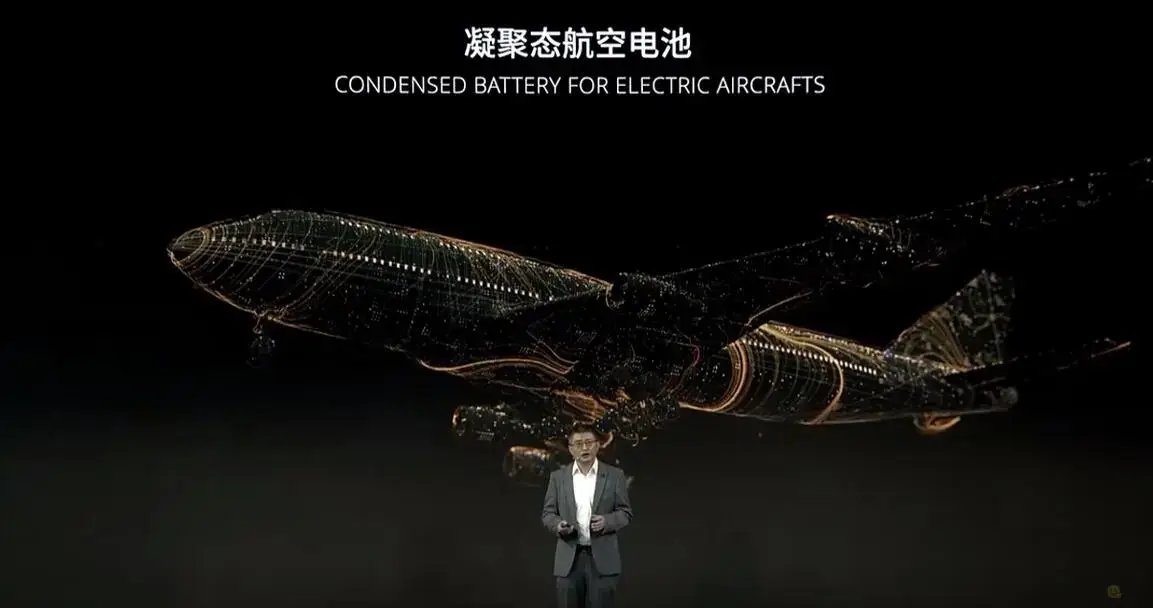
During a recent update on an interactive platform, CATL announced that it is currently collaborating on the development of civil electric manned aircraft. The company is implementing stringent aviation-grade standards and testing protocols to ensure the condensed matter batteries meet the highest levels of safety and quality required for aerial applications. In parallel, CATL confirmed that a vehicle-grade application version will also be introduced, with mass production expected within 2023.
This article analyzes CATL condensed matter battery technology, examining its claimed “500 Wh/kg” energy density, safety innovations, potential applications from EVs to aircraft, and the critical challenges it must overcome.
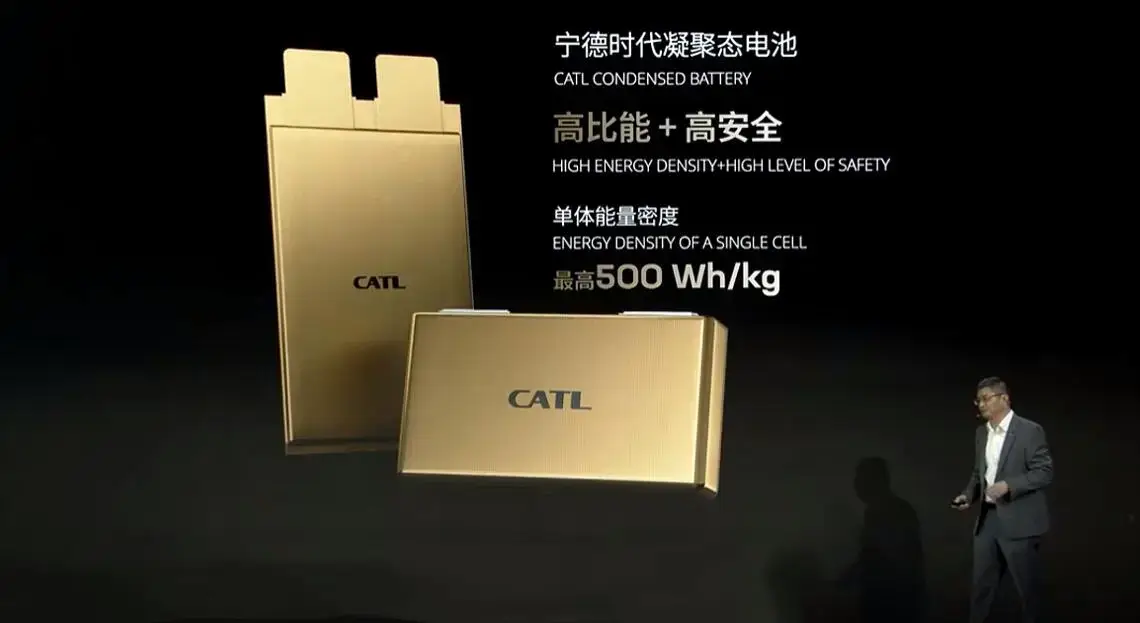
The CATL Condensed Battery 500 Wh/kg milestone is achieved through a unique polymerized condensed state electrolyte. Unlike traditional liquid electrolytes, this condensed battery system utilizes an adaptive micron-scale network structure. By adjusting the inter-chain interactions, the system maintains high ionic conductivity even with high-energy cathode materials. This is the fundamental reason why the condensed matter batteries can double the energy density of current high-nickel ternary cells(~180 Wh/kg) while maintaining aviation-grade safety.
Key Advantages of Condensed Matter Batteries:
With an energy density of 500 Wh/kg, the CATL condensed battery significantly extends the driving range of electric vehicles and, critically, enables the electrification of regional aircraft. It is estimated that condensed matter batteries could power sub-100-seat electric aircraft for distances between 600 km and 1,200 km on a single charge.
Through the use of an adaptive micron-scale network structure, CATL’s condensed matter batteries effectively regulate inter-chain interactions during electrochemical reactions. This design greatly improves structural stability and reduces the risk of thermal events, making these batteries suitable for high-stakes applications including aviation.
The battery incorporates a high-energy cathode, a new anode material, and upgraded separator technology—all developed through proprietary manufacturing processes. These innovations not only support ultra-high energy density but also ensure long cycle life and reliability under demanding conditions.
To fully grasp the disruptive potential of CATL condensed matter batteries, it is essential to position them within the broader evolutionary timeline of energy storage. While conventional liquid lithium-ion batteries are reaching their theoretical energy density ceilings and all-solid-state batteries remain largely in the laboratory phase, condensed matter technology emerges as a “third path.” By utilizing a high-viscosity, mesh-like electrolyte, it achieves the extreme energy milestones required for electric aviation without the manufacturing bottlenecks of solid-state systems.
The following comparison table highlights the critical performance gaps between mainstream liquid cells, CATL’s 500 Wh/kg condensed technology, and future solid-state concepts:
CATL’s claim of 500 Wh/kg would place condensed matter batteries at the top end of reported cell energy densities, if validated at scale. Higher specific energy directly translates to longer range for electric vehicles or larger mission capability for electric aircraft, assuming weight, packaging and thermal management are all optimized.
CATL emphasizes safety engineering: the condensed electrolyte chemistry and mesh structure are intended to reduce thermal runaway risk and improve mechanical/chemical stability. The company says the design targets aviation-grade safety, which would imply rigorous qualification (thermal abuse, mechanical shock, cell containment and redundancy). However, safety performance and cycle life must be proven across many cycles and under realistic abuse and ageing scenarios before aviation or mass-market automotive deployment can be confirmed.
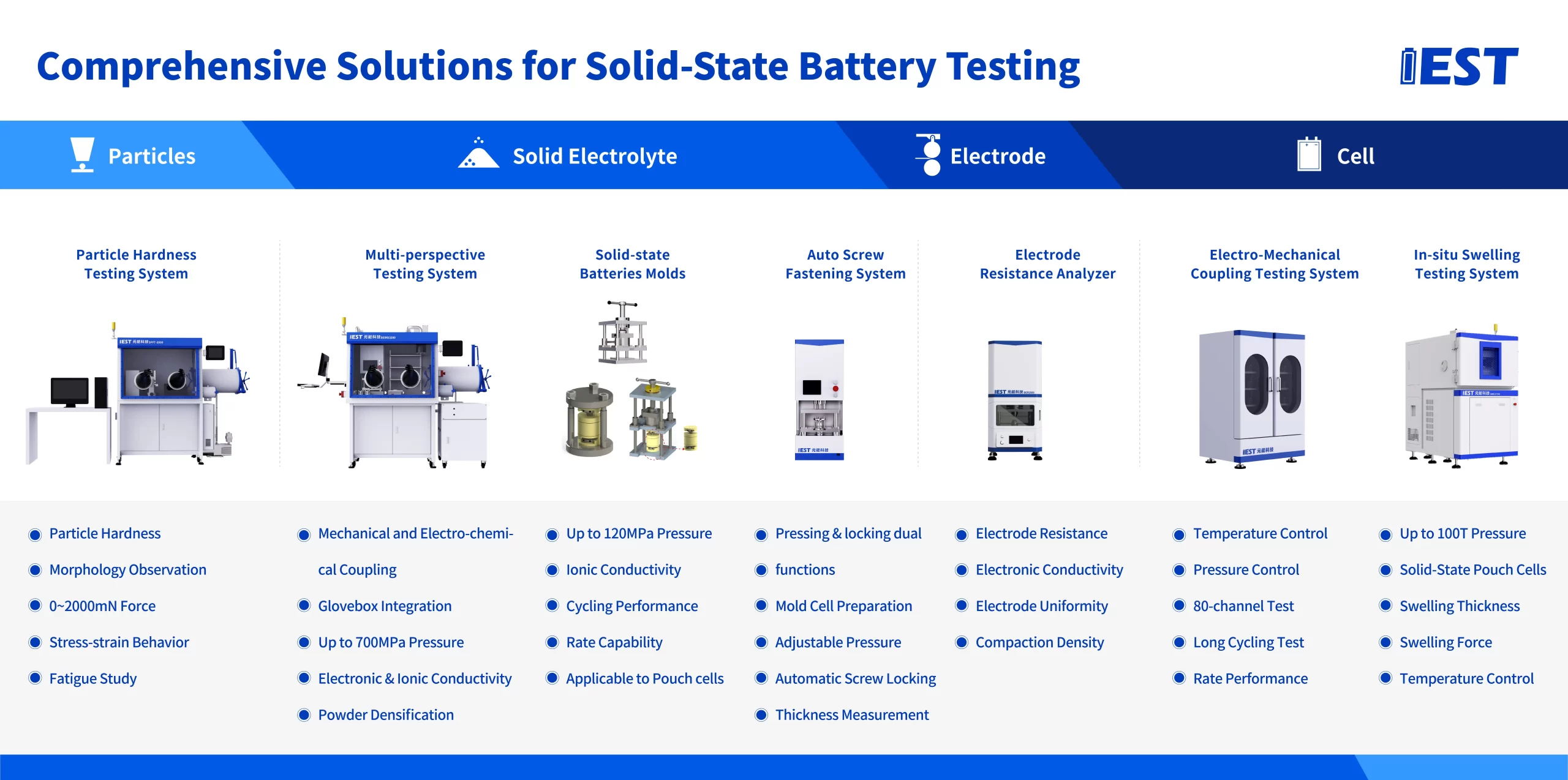
To validate the safety of condensed matter batteries, rigorous thermal and mechanical testing is required. Measuring the activation energy of ion transport within the condensed electrolyte is key to understanding its performance at different temperatures. IEST’s advanced testing systems(like IEST PRCD series)allow researchers to quantify these parameters, ensuring that the ‘gel-like’ electrolyte remains stable under the extreme conditions required for civil aviation.
CATL positions condensed matter batteries for two broad application families:
Automotive (car-grade) — a mass-production vehicle variant that would offer much greater range or smaller pack weight. CATL has stated plans for a car-grade version and indicated production readiness timelines.
Aviation (civil electric aircraft) — CATL is reportedly collaborating on manned electric aircraft projects and working to meet aerospace standards. For small regional aircraft (sub-100 seats), the company has suggested the technology could enable fully electric ranges in the order of hundreds to over 1,000 km, depending on aircraft design and pack integration.
If verified, condensed matter batteries could accelerate electrification beyond ground vehicles into aviation niches where weight is a primary constraint.
Independent validation: Look for third-party tests or peer-reviewed data on cycle life, thermal abuse resistance, and pack-level behavior.
Scalability: Pilot lines and mass production demonstrations will reveal whether the claimed densities are achievable at scale with acceptable yields.
Cost trajectory: Materials and process complexity will determine whether condensed matter batteries can be cost-competitive for consumer EVs or primarily targeted at premium / aerospace segments.
Regulatory & certification pathways for aviation: Even with impressive metrics, aerospace adoption requires long validation cycles and certification.
The CATL condensed battery technology marks a pivotal advancement in the global battery industry. By combining unprecedented energy density with rigorous safety standards, it opens new possibilities for electric aviation and enhances the performance and appeal of electric vehicles. As CATL moves toward mass production, it reinforces its leadership in electrification innovation and sustainable energy solutions.
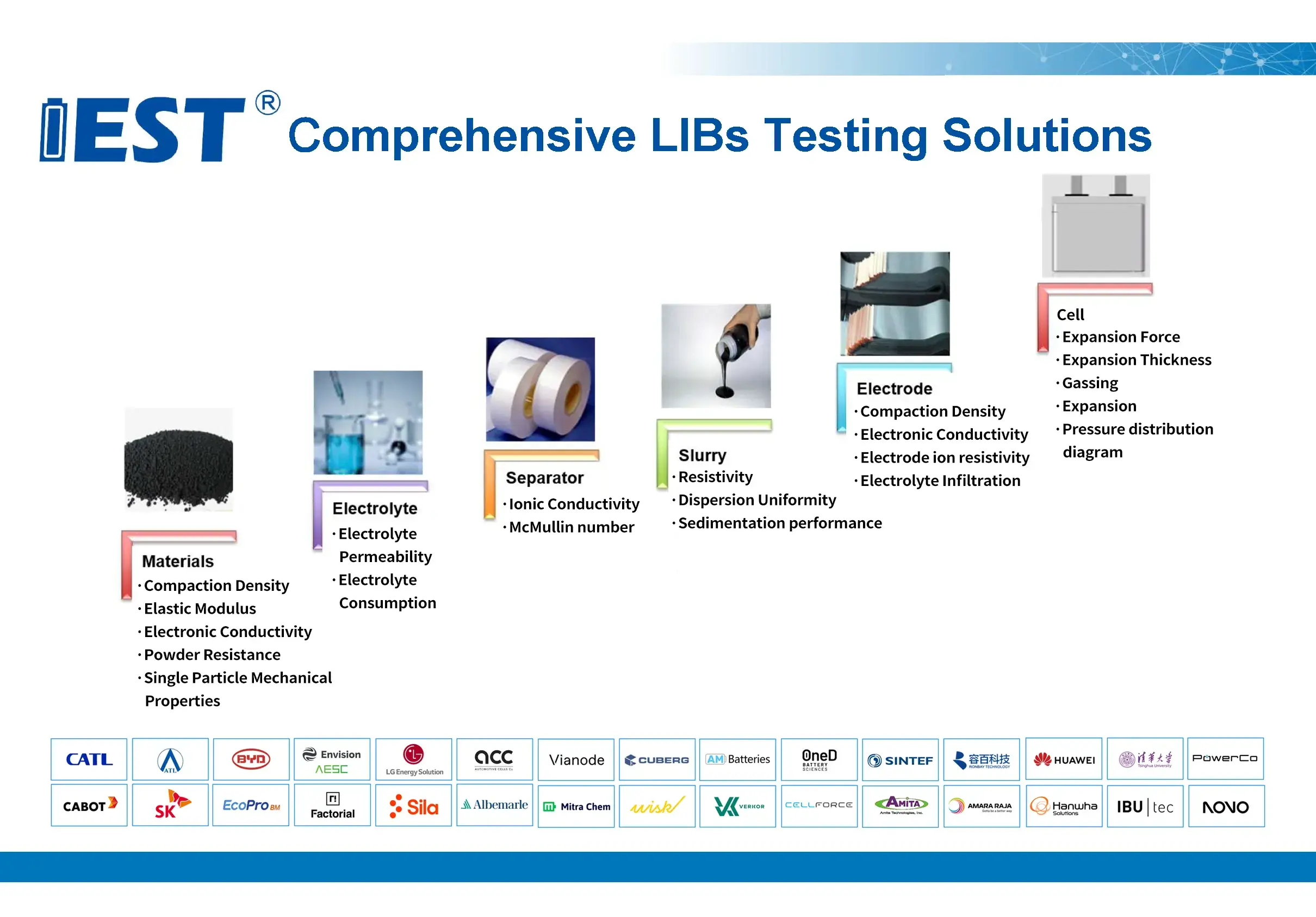
Evaluating Next-Generation Batteries: The development and validation of breakthrough technologies like condensed matter batteries rely on extremely precise and reliable testing equipment to verify their extraordinary claims regarding energy density, cycle life, and safety under extreme conditions.
IEST is a high-tech enterprise focusing on R&D and production of lithium ion battery tester. IEST is a professional manufacturer that integrating laboratory instrument R&D and production, method development, instrument sales and technical services. Committed to providing leading testing solutions and services for the global new energy field, IEST company serves key clients like CATL, BYD, Huawei, Svolt, GM, Leyden, Sintef, Factorial, Cabot, Cuberg.
The CATL condensed battery 500 Wh/kg density is made possible by its condensed state electrolyte and ultra-high energy density cathode materials. This system creates an adaptive micron-scale network that enhances structural stability while allowing for massive energy storage, nearly doubling the capacity of conventional NCM batteries.
While both aim for higher safety and energy density, condensed matter batteries use a unique, high-density gel-like or semi-solid electrolyte. This is distinct from the completely solid ceramic or polymer electrolyte in a solid-state battery. CATL’s approach may offer a different balance of ionic conductivity, manufacturing feasibility, and interfacial stability.
CATL is targeting two primary markets: 1) Next-generation Electric Vehicles, offering much longer range or lighter packs, and 2) Civil Electric Aircraft, where ultra-high energy density is critical for feasible range and payload. The technology must first meet the stringent safety and certification standards of the aerospace industry.
Key challenges include scaling up manufacturing while maintaining quality and yield, managing production costs to be competitive, and completing the long-term cycle life and safety testing required for automotive and aviation certification. Independent verification of performance claims is also a major focus for the industry.