
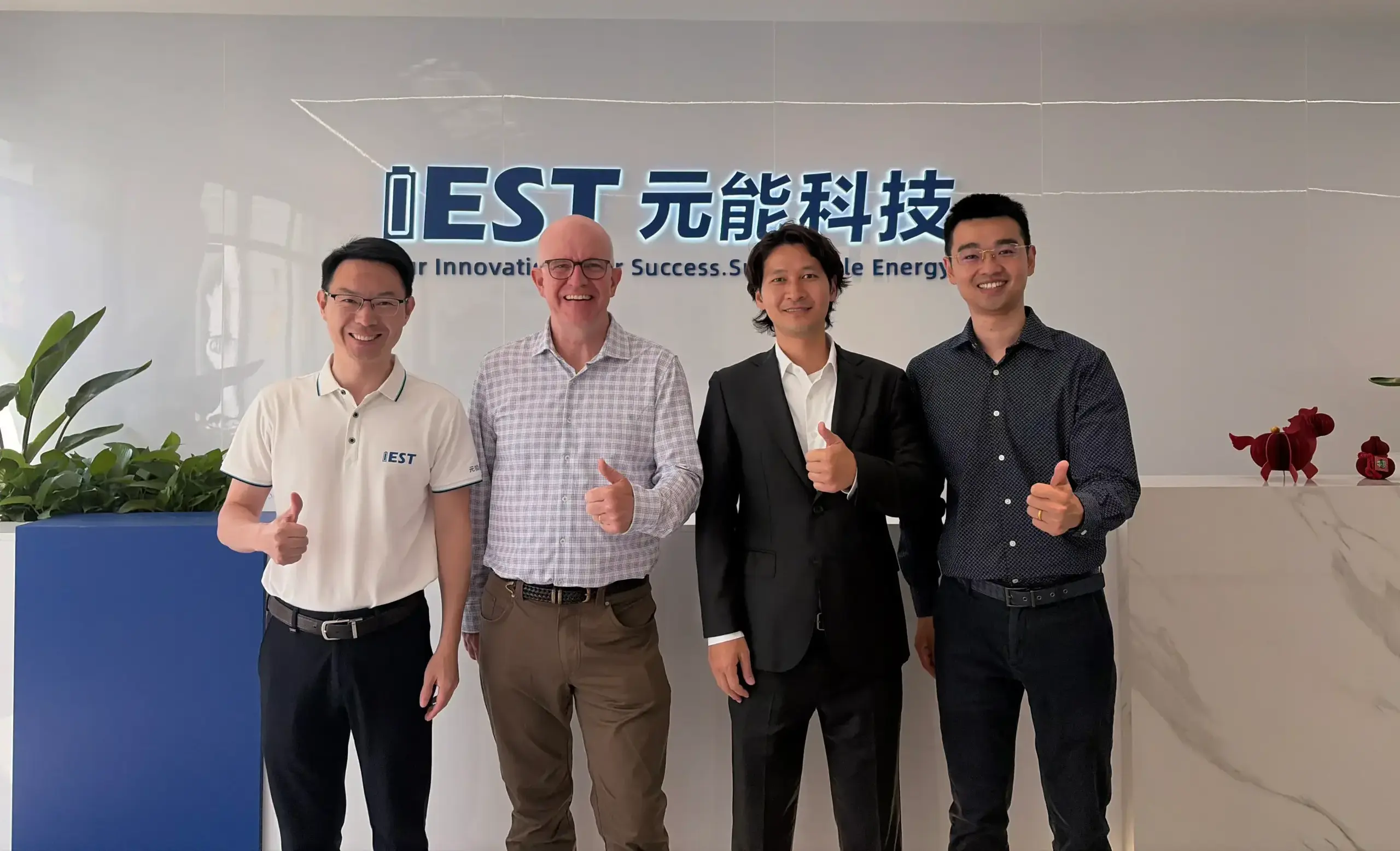
As the lithium-ion battery industry continues to iterate and upgrade at a rapid pace, electrode inspection stands as a core process step in battery production, directly determining a cell’s safety, consistency, and cycle life. Conventional inspection approaches, such as laser-transmission thickness measurement and beta-ray areal-density measurement, have made this possible for years, but they carry structural limitations: a single device typically measures only one parameter, different parameter readings often cannot be confirmed as coming from the same physical location on the electrode, and measuring both sides of a double-coated electrode separately usually requires additional equipment or process steps. These limitations leave room for improvement in both measurement efficiency and accuracy.
To help battery manufacturers achieve higher-quality production, IEST Instrument has formally entered an exclusive strategic partnership with the United Kingdom’s TeraView, becoming TeraView’s official domestic partner in China for its terahertz battery electrode inspection system, the TeraCota 3500. Under the partnership, the two companies will work together to introduce this technology into China’s battery industry.
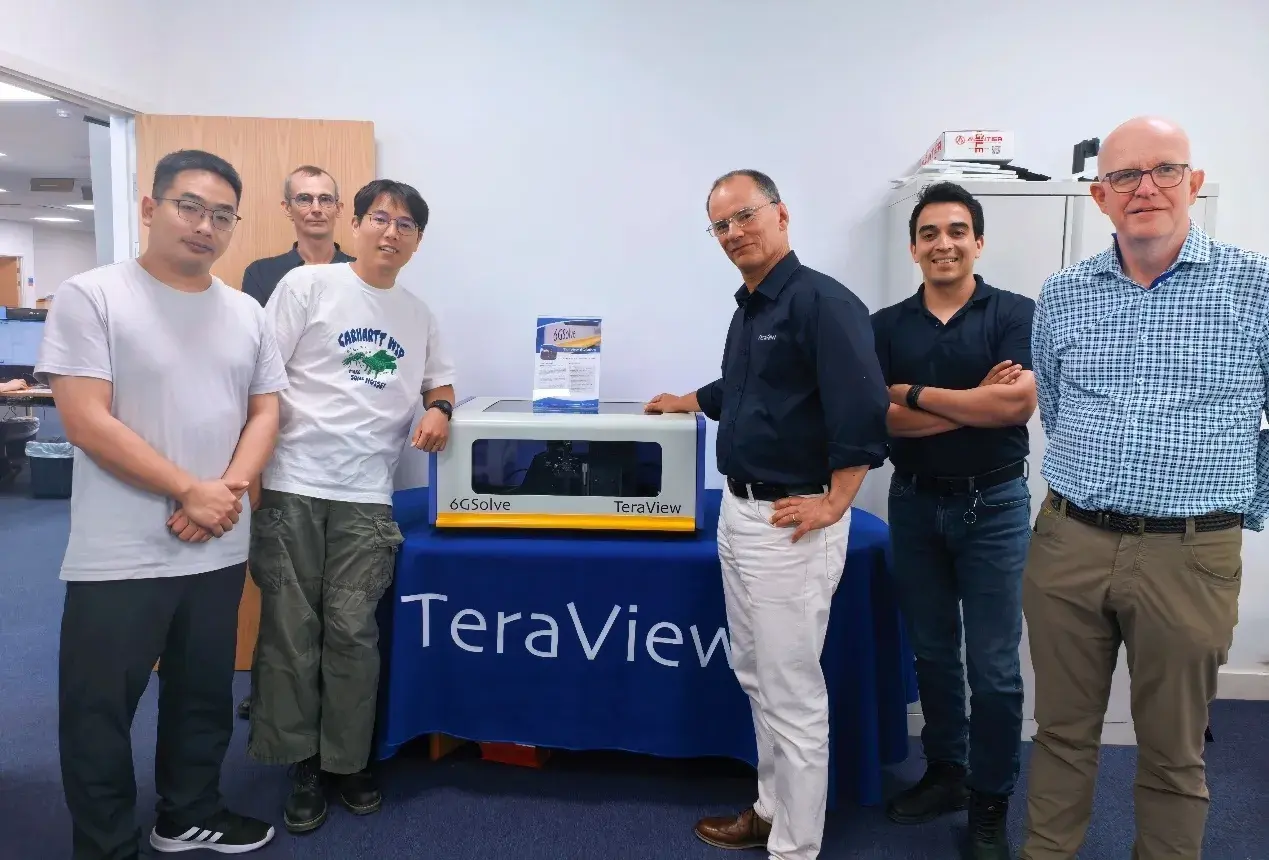
The precision terahertz inspection equipment introduced through this partnership is built on globally established terahertz non-destructive testing technology, and is designed to change how lithium battery electrode inspection is typically performed — moving toward in-line, non-destructive, high-precision, multi-parameter integrated inspection during the electrode production process, addressing longstanding pain points in electrode production inspection.
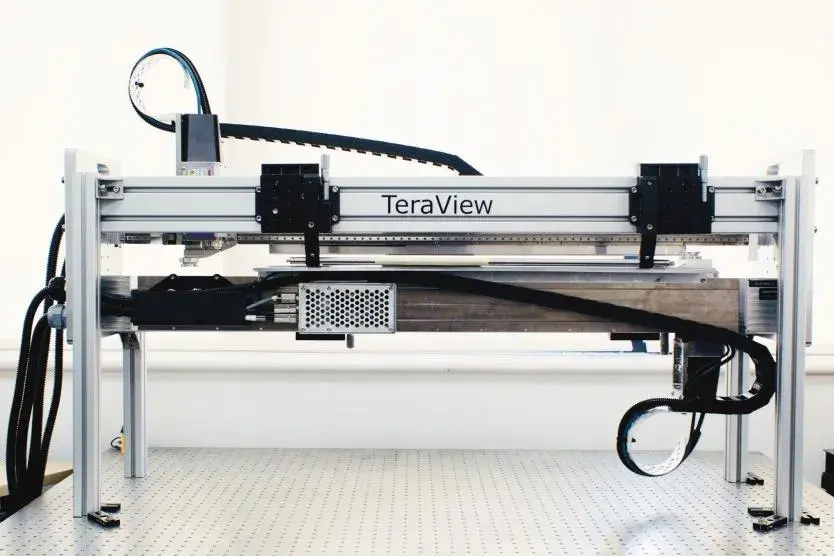
Figure 3. A TeraView terahertz inspection gantry system representative of the platform used in the TeraCota product line.
The system can simultaneously and continuously measure a battery electrode’s double-sided coating thickness, coating density, areal loading, and conductivity in real time. Consolidating these measurements into a single device, in place of multiple separate pieces of traditional inspection equipment, can reduce production-line investment, system integration effort, and floor-space requirements.
The system uses a non-contact, non-destructive terahertz measurement principle that does not damage the electrode substrate or coating, making it compatible with high-speed mass-production lines. Real-time, in-line measurement with real-time data feedback is intended to reduce the missed-detection and false-detection risk associated with sampling-based inspection.
Built on a proprietary photoconductive antenna design and associated algorithms, the TeraCota 3500 is designed to deliver precise measurement across a range of electrode material systems, including anode electrodes.
Terahertz waves are a form of non-ionizing radiation, with single-photon energy far lower than that of ionizing radiation sources such as X-rays or beta radiation. Under normal operating conditions, terahertz inspection is designed to balance measurement performance with operational safety, intended to provide battery production lines with a safer, more reliable in-line inspection option.
This strategic partnership with a UK-based, high-end terahertz technology company represents an important step in IEST Instrument‘s continued focus on precision lithium-battery inspection and its positioning within high-end intelligent manufacturing. Building on this partnership, the two companies plan to draw on their respective strengths — combining overseas advanced technology with localized professional service — to align closely with the production scenarios and process requirements of China’s lithium battery industry, and to continue optimizing inspection solutions, upgrading technical service, and expanding application scenarios.
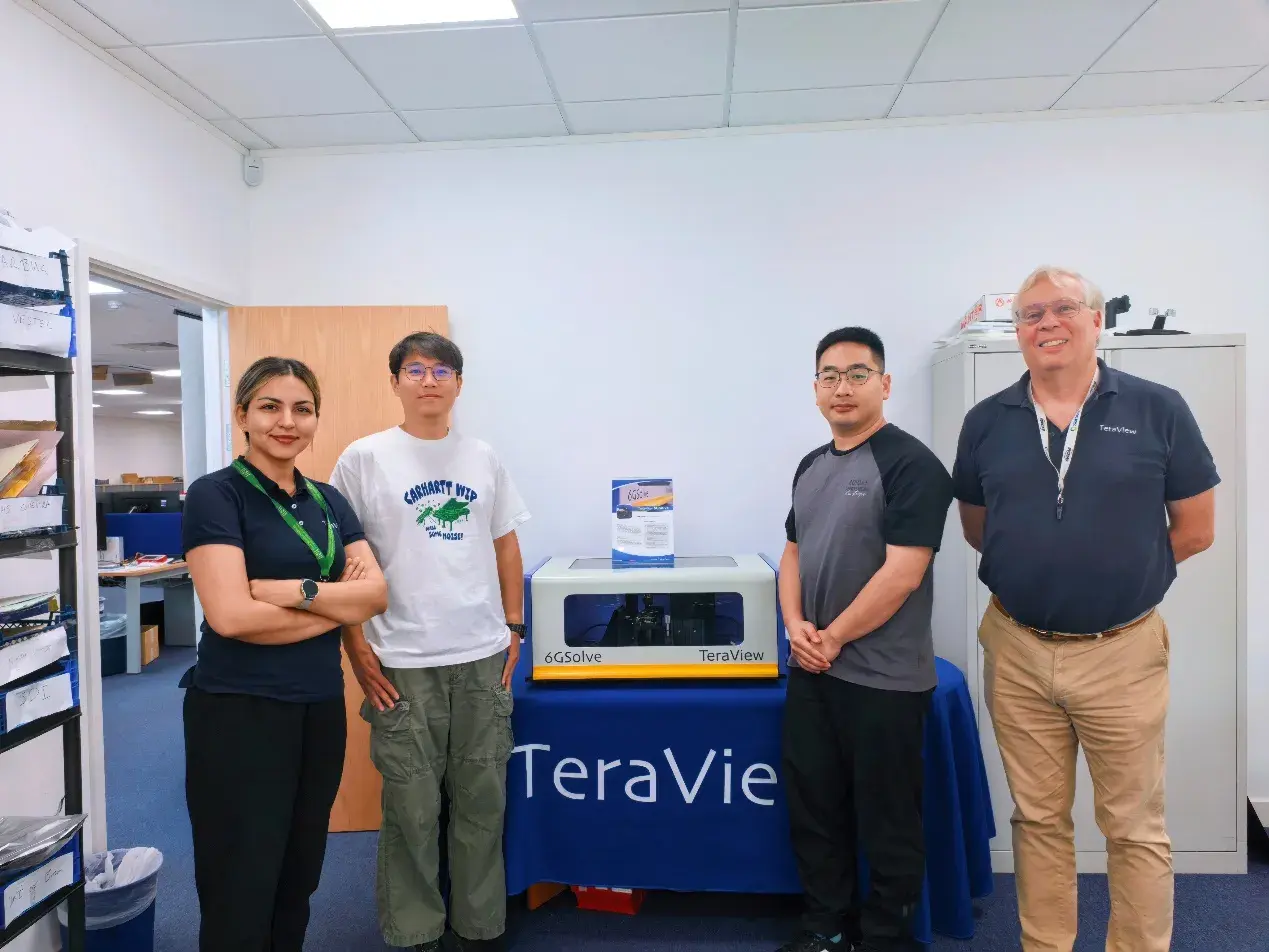
Figure 4. IEST Instrument and TeraView team members at TeraView’s UK office during a technical exchange.
IEST Instrument develops precision testing solutions for the lithium, sodium battery and solid-state battery industry, covering material, electrode, and cell-level characterization. Trusted by pioneers like CATL, BYD, Tesla, LG, Apple and global R&D centers. Through this partnership, IEST Instrument becomes TeraView’s official partner in China for the TeraCota 3500 terahertz battery electrode inspection system.
TeraView is a UK-based company, headquartered in Cambridge, that has focused on terahertz measurement technology since 2001, with applications spanning semiconductor inspection, coatings measurement, and battery electrode inspection. Its TeraCota product line applies terahertz sensing to non-contact, in-line coating measurement across several industries, including lithium-ion battery manufacturing.
Terahertz non-destructive testing uses non-ionizing terahertz-frequency waves to measure electrode properties, such as coating thickness, density, areal loading, and conductivity, without contacting or damaging the electrode. The TeraCota 3500 applies this principle for in-line battery electrode inspection.
Traditional laser-transmission and beta-ray gauges typically measure a single parameter per device and often cannot confirm that different measurements came from the same electrode location or measure both sides simultaneously. Terahertz inspection with the TeraCota 3500 measures coating thickness, density, areal loading, and conductivity together, at the same location, on both sides, in one pass.
Selecting an in-line inspection system depends on how many parameters need tracking, whether double-sided measurement is required, and whether the production line needs real-time feedback rather than sampling-based checks. The TeraCota 3500 is designed for non-contact, real-time, multi-parameter inspection suited to high-speed production environments.
The TeraCota 3500 is designed to simultaneously measure double-sided coating thickness, coating density, areal loading, and conductivity on battery electrodes, including anode electrode material systems, using a non-contact terahertz sensor.
Terahertz waves are non-ionizing radiation, with single-photon energy far lower than ionizing radiation sources such as X-rays or beta radiation used in some conventional inspection equipment. Under normal operating conditions, this allows terahertz inspection to be used continuously on a production line while maintaining operational safety considerations.