-
iestinstrument

Abstract
A recent study published in Nano Materials Science by researchers at Beijing Institute of Technology systematically investigated how external mechanical pressure influences interfacial stability and failure mechanisms in LFP/graphite battery. The researchers compared cells cycled without applied pressure (0 MPa) and under a pressure of 0.1 MPa. Under the evaluated conditions, the capacity fade rate was 5.14% at 0.1 MPa, compared with 24.31% at 0 MPa. Multi-scale characterization, including in-situ XRD, XPS, TOF-SIMS, and AFM, revealed that the pressurized condition was associated with a more robust, LiF-enriched SEI on the graphite anode, less severe Al current collector corrosion, and greater reversibility of the LiFePO₄/FePO₄ phase transition. The study acknowledged support from IEST Instrument, which identifies the IEST PRCD3100 powder resistivity and compaction density system as the instrument involved.
📄 Source Paper
Wang Y., Yan K., Dong J., Tang R., Guan Y., Zhao G., Lu Y., Hao J., Li B., Mo S., He X., Li N., Chen L., Wu F., Su Y.
DOI: 10.1016/j.nanoms.2025.11.020
| Journal: Nano Materials Science (ScienceDirect / Elsevier)
| Institutions: Beijing Institute of Technology; BIT Chongqing Innovation Center; State Grid Electric Power Research Institute
✓ IEST Instrument acknowledged — PRCD powder resistivity and compaction density measurement system used in this research
1. Background: Why Mechanical Pressure Matters for LFP/Graphite Cell Cycle Life
LFP/graphite batteries, consisting of LiFePO₄ cathodes and graphite anodes, are widely used in electric vehicle and grid energy storage applications due to their high safety, long cycle life, and cost competitiveness. During practical operation, battery performance may be affected by mechanical pressure arising from assembly preload, enclosure or module constraint, and cycling-induced changes in cell thickness.
Mechanical pressure is defined as the compressive stress applied to a cell stack, typically expressed in MPa, which affects electrode contact, electrode–electrolyte interfacial stability, lithium-ion transport, and structural evolution during cycling. Prior research has established that moderate external pressure can improve interfacial contact and reduce impedance under certain conditions, but its coupled effects on graphite SEI composition, cathode interfacial stability, aluminum current collector corrosion, and LiFePO₄/FePO₄ phase reversibility in full cells remain incompletely understood.
The SEI layer (solid electrolyte interphase) is defined as the passivation film that forms on the graphite anode surface during the first charge cycle from electrolyte reductive decomposition. Its composition — particularly the ratio of inorganic components (LiF, Li₂CO₃) to organic components (ROCO₂Li, ROLi) — determines ionic conductivity, mechanical stability, and the rate of ongoing electrolyte consumption during cycling. A LiF-rich SEI layer is mechanically harder and more ionically selective, providing superior long-term protection compared to organic-dominated SEI layers that are prone to cracking during volume change cycles.
2. Key Findings: Moderate Pressure Reduces Capacity Fade Rate from 24.31% to 5.14%
The study compared LFP/graphite pouch cells cycled under two conditions: no applied pressure (0 MPa) and moderate mechanical pressure (0.1 MPa). Electrochemical measurements and multiscale characterization, including in-situ XRD, SEM, AFM, HRTEM, XPS, FTIR, TOF-SIMS, and DCIR, were used to examine the corresponding electrochemical, structural, and interfacial changes.
| Performance Metric | 0 MPa | 0.1 MPa | Observed Difference or Interpretation |
|---|---|---|---|
| Capacity fade rate | 24.31% | 5.14% | 19.17 percentage points lower, corresponding to a 78.9% relative reduction |
| DCIR growth rate | Faster | Slower | Lower resistance growth under the evaluated conditions |
| Residual FePO₄ content after cycling | 34.1% | 18.8% | 15.3 percentage points lower, corresponding to a 44.9% relative reduction |
| Temperature rise during cycling | Higher | Lower | Consistent with lower irreversible heat generation and DCIR |
| Graphite anode SEI composition | More organic-rich and less uniform | More LiF-enriched and uniform | Consistent with a more stable interphase |
| Al current collector corrosion | More severe | Less severe | Better preservation of the cathode current collector |
3. Mechanism 1: Improved Electrochemical Performance and More Uniform LFP Phase Transformation
Electrochemical measurements showed that the cell cycled at 0.1 MPa had lower capacity fade and slower DCIR growth than the unpressurized cell. Its charge-discharge curves also exhibited less polarization, while the differential-capacity profiles retained more clearly resolved features during cycling. Together, these observations indicate better preservation of the electrochemical response under the evaluated pressurized condition.
Differential-capacity analysis plots dQ/dV against voltage to resolve electrochemical features associated with phase transitions. The LiFePO₄/FePO₄-related features remained sharper under 0.1 MPa, whereas greater broadening and shifting occurred without applied pressure. These differences were consistent with greater deterioration of reaction kinetics and phase reversibility in the unpressurized cell.
In-situ XRD measurements during cycling reveal that 0.1 MPa pressure promotes more spatially uniform LiFePO₄/FePO₄ phase transformation — meaning lithium extraction and insertion occur more homogeneously across the cathode electrode rather than concentrating in localized regions. This uniformity directly reduces mechanical stress gradients within the cathode electrode and diminishes the driving force for crack formation and particle fracture. Concurrently, temperature measurements confirm lower thermal accumulation under pressure, consistent with reduced internal resistance and Joule heating.
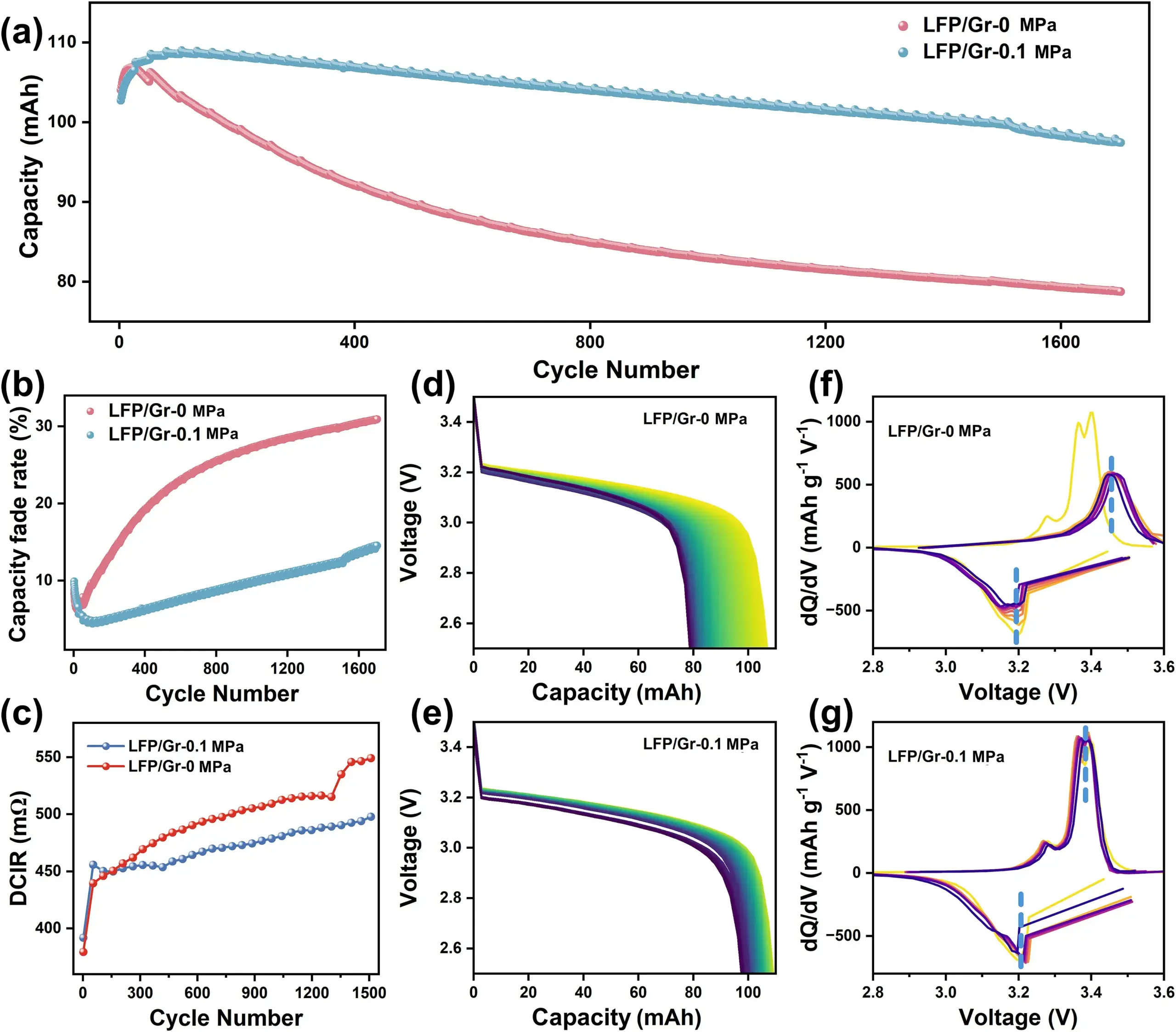
Figure 1. Electrochemical performance of LFP/graphite cells cycled at 0 MPa and 0.1 MPa.
4. Mechanism 2: Improved Cathode Structural Integrity and Reduced Interfacial Side Reactions
Post-cycling characterization showed better-preserved LFP-cathode morphology in the cell cycled at 0.1 MPa. SEM images of the unpressurized cathode showed greater surface roughening and particle fragmentation, whereas the pressurized cathode retained a more intact morphology.
Quantitative phase analysis using XRD showed that the irreversible FePO₄ phase content, namely residual non-lithiated cathode material that cannot be re-lithiated, decreased from 34.1% at 0 MPa to 18.8% at 0.1 MPa. This 45% reduction indicated that mechanical pressure promotes more complete and reversible LiFePO₄/FePO₄ two-phase cycling, consistent with the improved capacity retention.
XPS analysis indicated that pressure reduces the accumulation of electrolyte decomposition products on the cathode surface, including phosphate and fluoride species from PF₆⁻ anion decomposition. This is consistent with the lower interfacial side reaction rate enabled by more stable electrode–electrolyte contact under pressure. Reduced aluminum current collector corrosion under pressure also helps maintain effective current collection at the cathode during cycling.
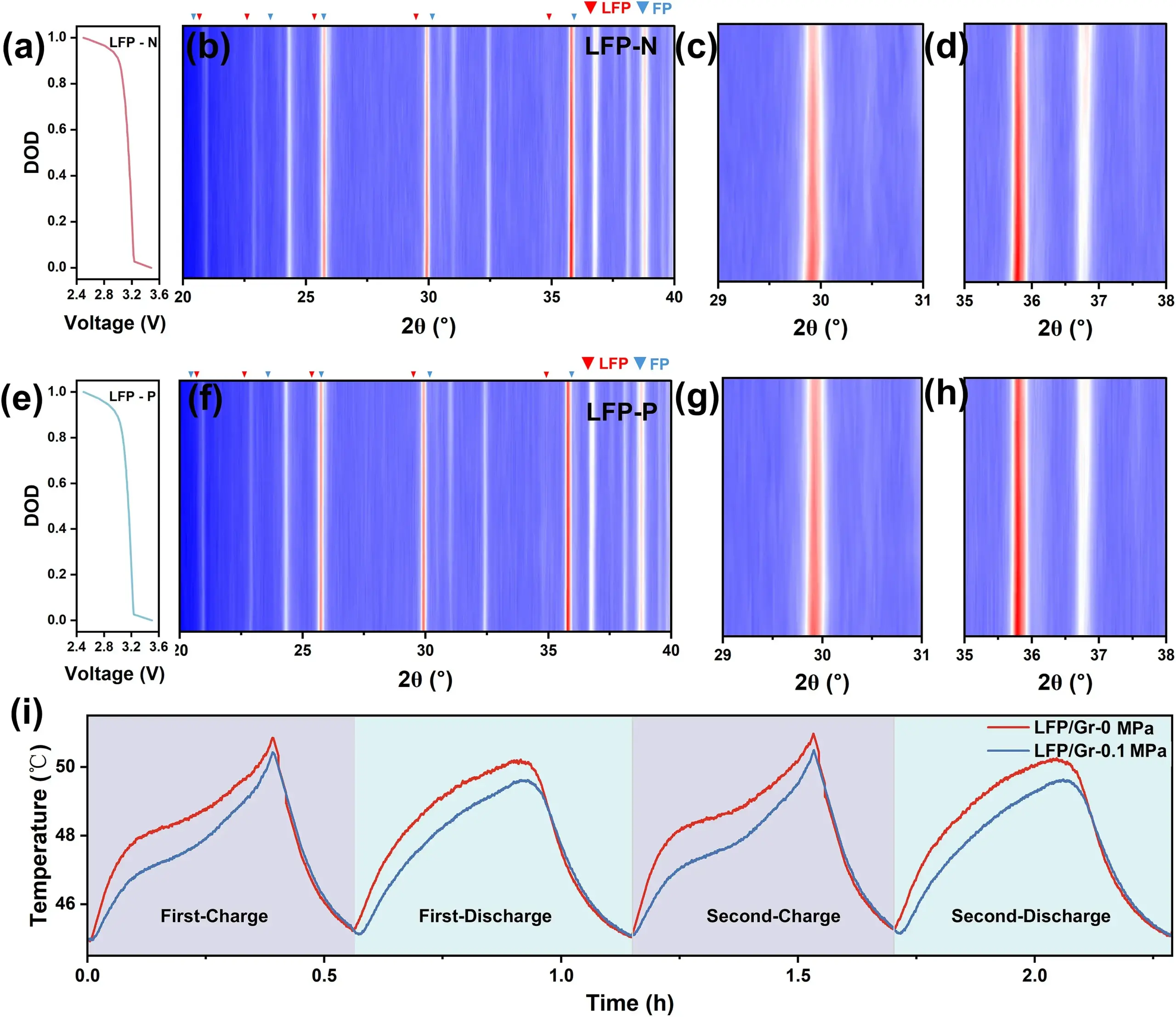
Figure 2. In-situ XRD and surface-temperature response of LFP cathode under 0 MPa and 0.1 MPa.
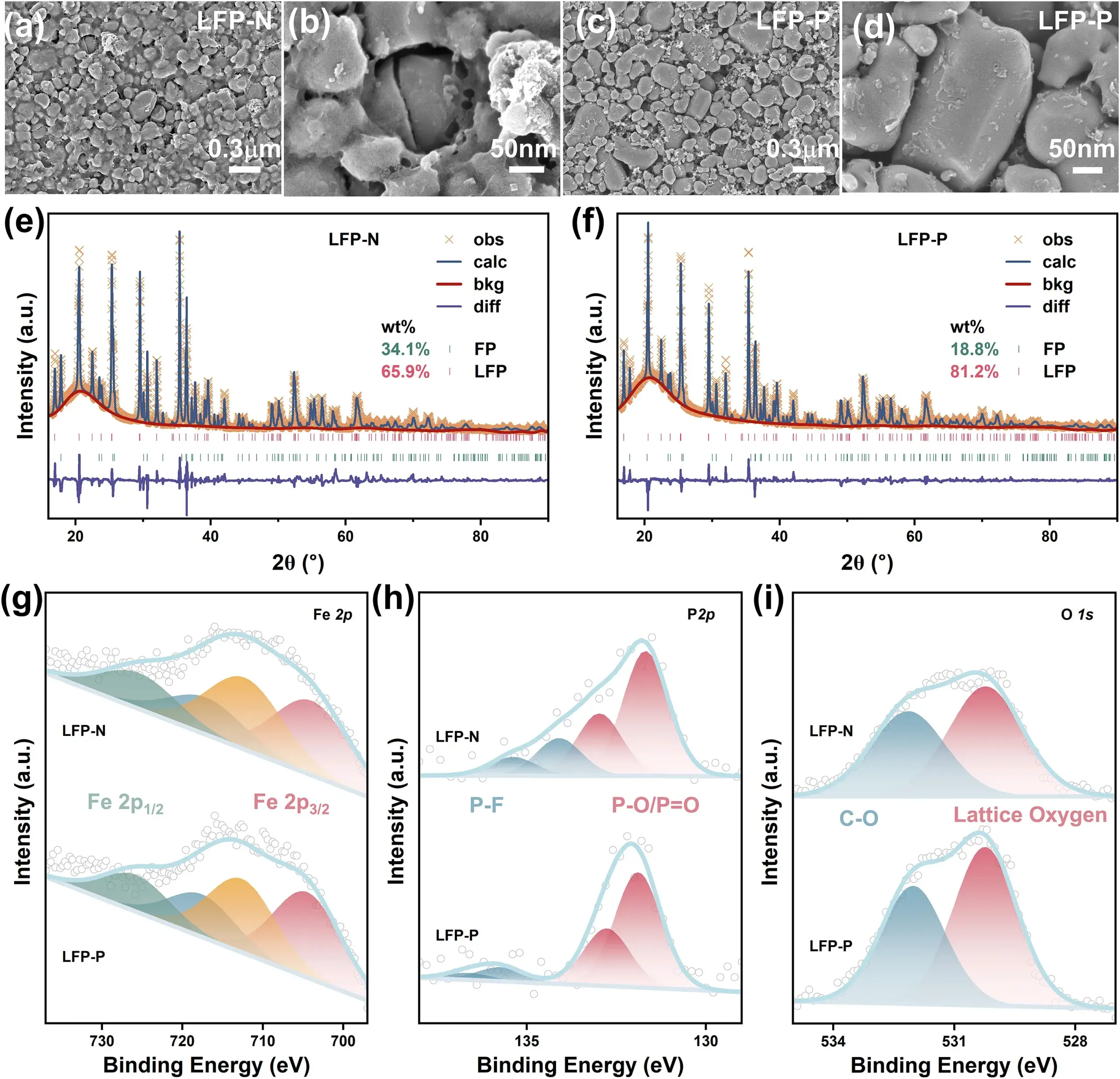
Figure 3. Post-cycling characterization of the LFP cathodes.
5. Mechanism 3: LiF-Enriched SEI Formation and Graphite Anode Protection
The most mechanistically significant finding of this study is that 0.1 MPa mechanical pressure fundamentally alters the composition and morphology of the SEI layer that forms on the graphite anode surface during cycling.
Under 0 MPa conditions, the graphite anode SEI layer is dominated by organic components — lithium alkyl carbonates (ROCO₂Li, ROLi) and lithium carbonate (Li₂CO₃) — which are mechanically soft and prone to cracking during the 10–15% volume expansion and contraction of graphite during lithiation/de-lithiation cycles. Cracks in the organic SEI expose fresh graphite surface, triggering further electrolyte decomposition and SEI regrowth in an ongoing capacity-consuming cycle that progressively thickens the SEI and increases interfacial impedance.
Under 0.1 MPa mechanical pressure, XPS, FTIR, HRTEM, and TOF-SIMS characterization consistently show that the graphite anode SEI layer becomes:
- LiF-rich: inorganic LiF content in the SEI is substantially higher under pressure. LiF has high mechanical strength (Young’s modulus ~65 GPa), high ionic conductivity for Li⁺ transport, and chemical stability against further reduction — making it an ideal SEI component for long-term cycling stability.
- More uniform: the LiF-rich SEI distributes more homogeneously across the graphite particle surface, eliminating the composition gradients and localized weak spots that initiate cracking under mechanical stress during cycling.
- More mechanically stable: the harder, denser LiF-rich SEI layer maintains integrity during graphite volume expansion/contraction cycles, suppressing ongoing electrolyte decomposition and graphite structural damage.
TOF-SIMS depth profiling confirms the compositional differences between pressurized and unpressurized SEI layers at nanometer resolution, showing that LiF species are enriched throughout the SEI thickness (not merely at the surface) under 0.1 MPa pressure. HRTEM imaging shows that the pressurized graphite anode retains a more ordered crystal structure with fewer structural defects after cycling — consistent with the protective effect of a mechanically stable SEI that prevents solvent co-intercalation and graphite exfoliation.
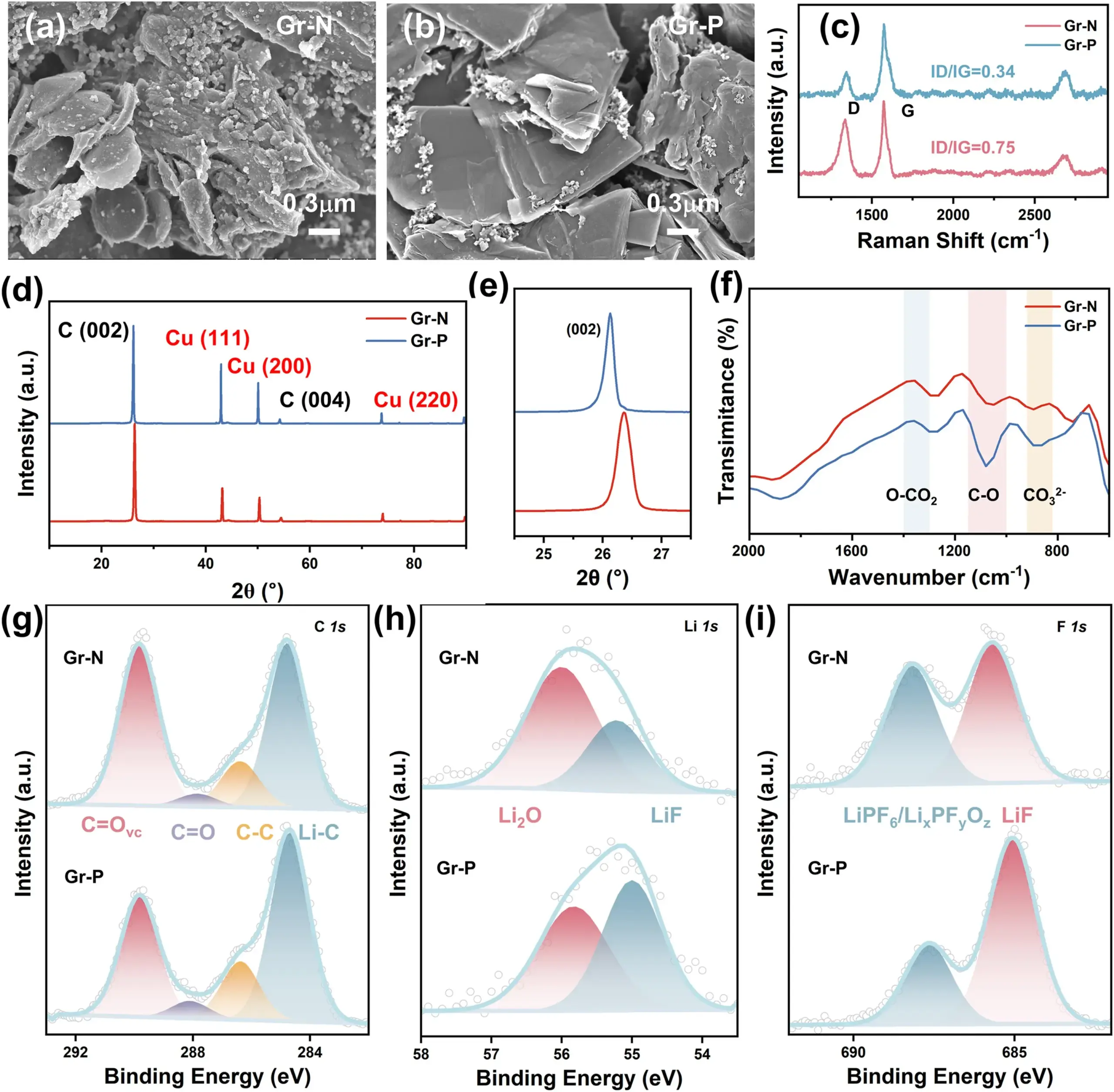
Figure 4. Post-cycling characterization of the graphite anode under 0 MPa and 0.1 MPa.
6. The Role of IEST PRCD3100 in This Research
🔬 IEST Instrument Support
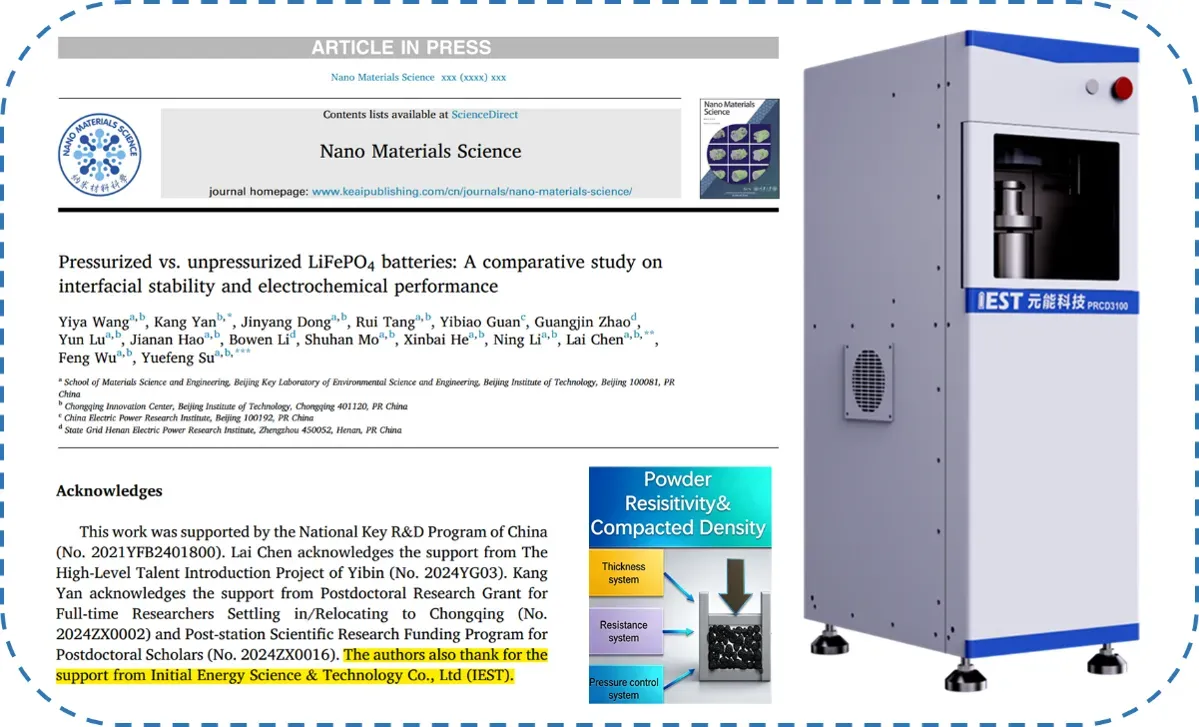
The study acknowledged support from IEST Instrument’s PRCD series Powder Resistivity and Compaction Density Measurement System. The PRCD system provides simultaneous measurement of powder electronic resistivity and compaction density under controlled pressure (up to 350 MPa) — providing quantitative material characterization relevant to electrode structure and electronic transport in this paper. Electrode powder resistivity under controlled compression is a key parameter for understanding how mechanical pressure modifies electrode particle contact resistance and electronic transport, both of which are central to the interfacial stability analysis reported here.
Acknowledgement: “The authors also thank for the support from Initial Energy Science & Technology Co., Ltd (IEST).” — Wang et al., Nano Materials Science, 2025.
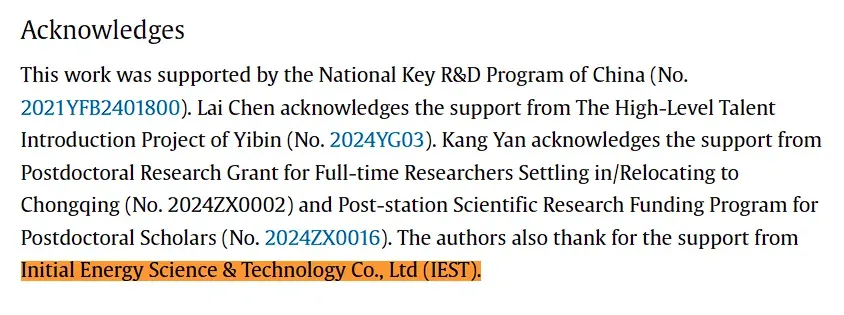
Figure 5. Excerpt from the paper’s acknowledgments confirming support from IEST Instrument.
7. Conclusions and Implications for LFP Battery Module Design
This study combined electrochemical testing (DCIR, dQ/dV), in-situ XRD, and surface/interface characterization (SEM, AFM, HRTEM, XPS, FTIR, TOF-SIMS) to examine how external pressure affected LFP/graphite pouch-cell degradation.
Under the evaluated conditions, cycling at 0.1 MPa was associated with several differences from cycling without applied pressure:
- Graphite anode: The SEI was more uniform and LiF-enriched, while the graphite structure was better preserved after cycling.
- LFP cathode: The residual FePO₄ content decreased from 34.1% to 18.8%, and the cathode showed better-preserved morphology, less severe Al current-collector corrosion, and more reversible phase evolution.
- Cell-level response: The capacity fade rate decreased from 24.31% to 5.14%, while DCIR growth, polarization, and temperature rise were lower.
These findings establish that stack pressure in battery modules is an important design consideration for interfacial stability and long-term LFP/graphite battery performance, and provide a useful reference (approximately 0.1 MPa) for optimizing module assembly preload to maximize cycle life in EV and energy storage applications.
8. Original Paper
Wang Y., Yan K., Dong J., Tang R., Guan Y., Zhao G., Lu Y., Hao J., Li B., Mo S., He X., Li N., Chen L., Wu F., Su Y. Pressurized vs. unpressurized LiFePO₄ batteries: A comparative study on interfacial stability and electrochemical performance. Nano Materials Science, 2025. DOI: 10.1016/j.nanoms.2025.11.020
9. Related IEST Testing Solutions for LFP Battery Research
IEST Instrument provides a comprehensive portfolio of testing systems directly applicable to the research methodologies used in this study:
- PRCD3100 Powder Resistivity and Compaction Density System: measures electrode powder electronic resistivity and compaction density under controlled pressures up to 350 MPa — the primary IEST instrument acknowledged in this paper, directly characterizing pressure-dependent electrode electronic transport properties.
- SWE Series In-Situ Cell Swelling Testing System: real-time measurement of cell swelling force and thickness during cycling under controlled preload — directly applicable to quantifying the mechanical pressure evolution studied in this research.
- ERT Series Electrochemical Performance Analyzer: DCIR measurement, dQ/dV analysis, in-situ EIS during cycling — providing the electrochemical characterization data complementary to the interfacial stability analysis performed in this study.
10. FAQ: Mechanical Pressure Effects on LFP/Graphite Battery SEI and Interfacial Stability
10.1 How does mechanical pressure improve LFP/graphite battery performance?
Mechanical pressure (0.1 MPa) improves LFP/graphite battery performance through four coupled mechanisms: (1) it promotes the formation of a LiF-rich, uniform, mechanically stable SEI layer on the graphite anode — suppressing ongoing electrolyte decomposition and capacity-consuming SEI regrowth; (2) it enables more uniform LiFePO₄/FePO₄ two-phase transformation across the cathode electrode, reducing irreversible phase loss (34.1% → 18.8% irreversible FePO₄); (3) it reduces aluminum current collector corrosion and harmful by-product deposition on the cathode side; and (4) it lowers DCIR growth rate and Joule heating throughout cycling. Together these mechanisms reduce capacity decay from 24.31% (0 MPa) to 5.14% (0.1 MPa) — a nearly 5× improvement.
10.2 What is a LiF-rich SEI layer and why is it better for battery cycling stability?
A LiF-rich SEI layer is a solid electrolyte interphase film on the graphite anode surface in which inorganic lithium fluoride (LiF) is the dominant component, compared to the organic carbonates (ROCO₂Li, Li₂CO₃) that dominate SEI in unpressurized conditions. LiF-rich SEI layers are superior for cycling stability for three reasons: (1) LiF has high mechanical hardness (Young’s modulus ~65 GPa), allowing the SEI to accommodate repeated graphite volume expansion (10–15%) without cracking; (2) LiF is chemically stable against further reductive decomposition, suppressing ongoing electrolyte consumption at the anode interface; (3) LiF provides sufficient Li⁺ ionic conductivity for lithiation while blocking electron transport and solvent co-intercalation. The result is a protective SEI that maintains its passivating function throughout thousands of cycles rather than continuously growing and consuming electrolyte.
10.3 What is the optimal mechanical pressure for LiFePO4 battery modules?
This study demonstrates that 0.1 MPa mechanical pressure is highly effective for LFP/graphite batteries, reducing capacity decay from 24.31% to 5.14% compared to unpressurized cycling. The 0.1 MPa value is consistent with the typical assembly preload range used in commercial EV battery modules (0.05–0.5 MPa depending on cell format). The study provides quantitative evidence that this pressure range is sufficient to activate the beneficial interfacial chemistry effects (LiF-rich SEI, uniform phase transformation) while remaining below the threshold that would cause excessive compressive stress on electrode particles. Importantly, pressure uniformity across the cell face is as important as magnitude — non-uniform pressure creates localized stress concentrations that can accelerate rather than suppress degradation.
10.4 How does mechanical pressure affect LiFePO4/FePO4 phase transformation?
Mechanical pressure improves LiFePO₄/FePO₄ two-phase transformation in two ways, as shown by in-situ XRD and dQ/dV analysis. First, it promotes more spatially uniform phase transformation across the cathode electrode — preventing lithium extraction/insertion from concentrating in localized regions that experience more rapid structural degradation. Second, it improves phase transformation reversibility: the irreversible FePO₄ content (residual non-lithiated phase that cannot be re-lithiated) is reduced from 34.1% to 18.8% under 0.1 MPa pressure. This 45% reduction in irreversible phase directly translates to recovered capacity retention. The improved phase transformation uniformity also produces sharper, better-defined peaks in dQ/dV analysis — indicating preserved electrochemical reaction kinetics throughout cycling under pressure.
10.5 What characterization techniques are used to study pressure effects on battery interfaces?
This study employed a comprehensive multi-scale characterization approach: electrochemical characterization (DCIR measurement, charge/discharge curves, dQ/dV differential capacity analysis) for performance tracking; in-situ XRD during cycling for real-time cathode phase transformation monitoring; post-cycling SEM and AFM for electrode morphology and SEI surface uniformity; HRTEM for graphite crystal structure and SEI layer imaging at atomic resolution; XPS for surface chemical composition analysis of cathode and anode interfaces; FTIR for molecular-level identification of SEI organic components; and TOF-SIMS for nanometer-resolution SEI depth composition profiling. Together these techniques provide the complete picture from macroscopic electrochemical response through atomic-scale interface chemistry needed to establish mechanistic understanding of pressure effects on LFP/graphite battery interfacial stability.