-
iestinstrument

Abstract
1. Background
The BYD Blade Battery is an improved lithium iron phosphate battery, and there are three basic structures inside each battery, the battery cell and the battery pack. BYD Blade battery have been widely used in fields such as electric vehicles and energy storage due to their high energy density, high safety, and long life.
The following are the BYD blade battery charging recommendations and precautions to help you better maintain the performance and life of the BYD blade battery.

2. The Correct way to the BYD Blade Battery Charging Recommendations
2.1 Use the charging equipment recommended by the original manufacturer
Use chargers, home charging posts or public charging posts officially provided or recommended by BYD, and avoid using charging equipment from informal channels to prevent unstable voltage or incompatibility.
2.2 Avoid overcharging and deep discharging
- It is most suitable to charge when the remaining power of the vehicle is 20%-30%, and it is the best power to charge to 80%, which can effectively improve the service life of the battery.
- Once fully charged (near or at 100%), disconnect the charger promptly to avoid the detrimental effects of prolonged “float charge.”
2.3 Follow the principle of slow charging priority
When using a charger to charge, use slow charging as much as possible for charging, with slow charging as the main and fast charging as supplementary, so as to slow down the battery decay speed.
2.4 Environmental temperature control
Optimum charging temperature: 0°C to 35°C. Too low or too high a temperature may result in reduced charging efficiency or accelerated battery aging.
2.5 Periodic Full Charge for Calibration
Schedule a complete charge cycle (typically via slow charging) at regular intervals. This helps calibrate the battery management system (BMS) and ensures accurate state-of-charge (SOC) display.
2.6 Summary Table: Best Practices for BYD Blade Battery Charging
| Practice | Recommendation |
|---|---|
| Daily Charging | Charging to 100% is fine with LFP chemistry; do so regularly (e.g., weekly) for BMS calibration. |
| Deep Discharge | Avoid discharge below 20%, but allow it occasionally (<10%) every few months for SOC calibration. |
| Float Charging | Disconnect immediately after reaching full charge to avoid prolonged float. |
| Charger Type | Use OEM or certified chargers for safe and efficient charging. |
| Charge Rate | Prefer slow/AC charging; use fast/DC charging only when necessary. |
| Temperature | Charge within 0°C–35°C ambient temperature; avoid extremes. |
| Long-Term Storage | Maintain at 40–60% SOC if parked for extended periods. |
| Initial Charge | Fully charge before first use; limit long charging sessions to 8–10 hours. |
3. Recommendations For Special Charging Scenarios
| Scenario | Recommendation |
|---|---|
| Long-term parking | Keep battery level in the 40%–60% range. If unused for longer than 14 days, perform a full charge (100%) followed by discharge to 40–60%. |
| Fast charging when going out | Avoid charging to 100% with fast charging — the 80%–100% stage is more stressful for the battery. Avoid fast charging in direct sunlight or closed, stuffy environments. |
| Charging in winter (below 0°C) | The battery may enter warm-up mode, slowing charging. Warm up the vehicle before charging, or drive briefly first, then charge. |
3.1 Long-term parking
- If the vehicle is not used for a long period of time, it is recommended to keep the battery level in the 40%-60% range.
- If the battery sits unused for longer than 14 days, perform a full charge(100%) followed by discharge to between 40–60%.
3.2 Fast charging when going out
- When fast charging, it is recommended not to charge to 100%. The final stage of fast charging (80%-100%) is more stressful for the battery.
- During fast charging, avoid charging in direct sunlight or closed, stuffy environments.
3.3 Charging at low temperatures in winter
At low temperatures (e.g., below 0°C), some batteries may enter the warm-up mode, resulting in slower charging. You can allow the vehicle to warm up before charging, or warm it up by driving it while in use, and then charge it.
4. BYD blade battery LFP description official
“Blade Battery’s cycle life exceeds 3,000 cycles at 25°C while retaining 80% capacity when operated within 20%–80% SOC. Avoid sustained high temperatures (>45°C) during charging.”
5. Advantages of Blade Battery
The inherent advantages of the Lithium Iron Phosphate (LFP) chemistry used in the Blade Battery are well-documented in academic and industry research. For instance, a 2023 review study published in the Journal of Power Sources highlighted that compared to high-nickel NMC cathodes, LFP materials possess superior intrinsic thermal stability (with exothermic onset temperatures above 200°C) and longer cycle life (typically exceeding 3,000 cycles). Compared with ternary lithium batteries, the BYD Blade Battery offers higher safety (better high-temperature resistance), lower cost, and longer service life — this fundamental characteristic underpins the Blade Battery’s exceptional balance of safety and longevity.
6. From Daily Care to Professional Diagnosis: Ensuring Long-Term Battery Health
Following the charging recommendations above is equivalent to providing the best possible “daily care” for your Blade Battery. However, to comprehensively understand the battery’s true state of health (SOH) after long-term use—such as subtle changes in internal resistance, gradual capacity fade, or cell-to-cell consistency—professional testing is required, akin to a “periodic in-depth health check-up.”
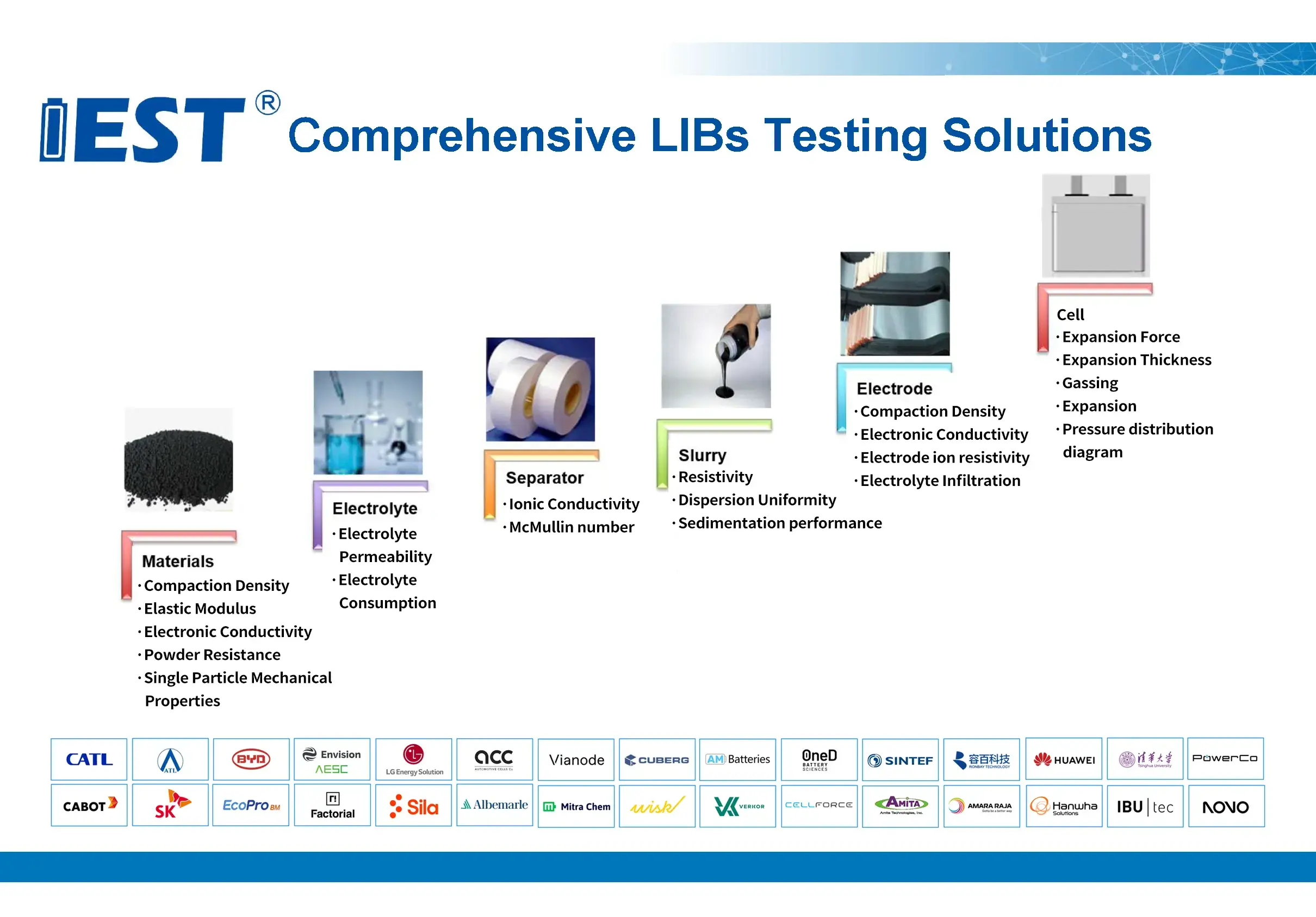
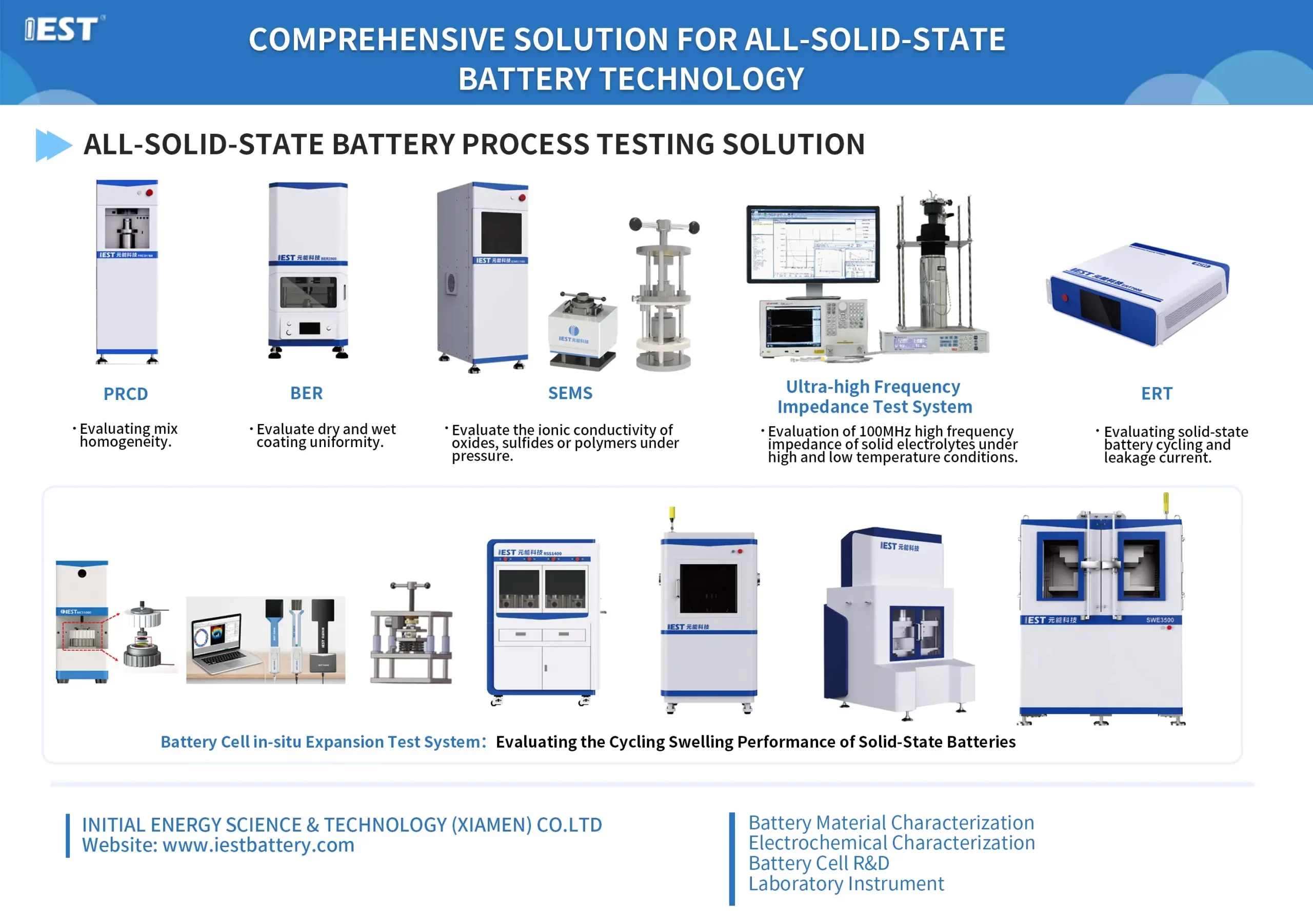
This is where professional battery test solution providers like IEST add significant value. As a high-tech enterprise serving industry leaders such as CATL and BYD, IEST’s precision testing equipment and solutions enable R&D engineers, quality assurance professionals, and advanced users to perform comprehensive diagnostics, including Electrochemical Impedance Spectroscopy (EIS), cycle life testing, and rate capability analysis. By quantifying battery degradation through data, IEST Instruments provide the scientific basis for optimizing charging strategies, evaluating used battery value, or pre-warning of potential risks, elevating battery management from “experience-based” to “precision-driven.
Working on Battery Diagnostics or Degradation Analysis?
IEST’s precision testing equipment supports EIS, cycle life testing, and rate capability analysis for LFP and other battery chemistries — the same class of diagnostics used to quantify Blade Battery health beyond everyday charging habits.
7. Frequently Asked Questions: BYD Blade Battery
7.1 Should I charge my BYD to 100%? Is it bad for the battery?
Yes, you can regularly charge your BYD Blade Battery to 100%, and it is not bad for the battery. This is a key advantage of its Lithium Iron Phosphate (LFP) chemistry. For optimal convenience and minimal battery stress, maintaining a daily charging range of 20%–80% SOC is ideal. Unlike other battery types, LFP batteries suffer less degradation at full voltage, so it is recommended to perform a full 100% charge at least once a week via slow charging — this is crucial for calibrating the Battery Management System (BMS) so your range and battery percentage display remain accurate. Charging to 100% is safe and necessary for calibration, but avoid letting the battery sit at 100% for days (prolonged float charging).
7.2 What is the typical BYD Blade Battery cycle life?
According to the BYD official statement, the BYD Blade Battery cycle life exceeds 3,000 cycles at 25°C while retaining 80% capacity. To maximize this lifespan, it is best to operate within the 20%–80% SOC range for daily use and avoid sustained exposure to high temperatures above 45°C.
7.3 Is it harmful to use fast charging on a BYD Blade Battery?
While the Blade Battery supports fast charging, the principle of slow-charging priority should be followed for long-term health. Frequent fast charging, especially in the 80%–100% range, creates more stress on the battery cells. For best results, use fast DC charging as a supplement and prefer AC slow charging for daily routines.
7.4 What is the byd blade battery lfp description official?Why is LFP special?
“LFP” in BYD Blade Battery stands for Lithium Iron Phosphate (LiFePO₄), the cathode material’s chemical composition. Officially, BYD emphasizes that this chemistry underpins the battery’s core advantages: exceptional thermal stability and resistance to fire even under severe damage or short circuits, long cycle life from a robust atomic structure that degrades slowly per cycle, and cost-effectiveness from using abundant, inexpensive materials (iron, phosphate) compared to cobalt and nickel. In summary, BYD positions the Blade Battery’s LFP chemistry as the foundation for its superior safety, long lifespan, and lower cost compared to traditional ternary lithium batteries.
7.5 Which BYD models use the Blade Battery?
The Blade Battery’s LFP chemistry is used across several BYD passenger EV models, including the BYD Seal, Atto 3, Atto 2, Dolphin/Dolphin Surf, and select Sealion 7 variants. Exact battery specifications vary by model year and market region, so owners should confirm details in their vehicle’s owner manual.