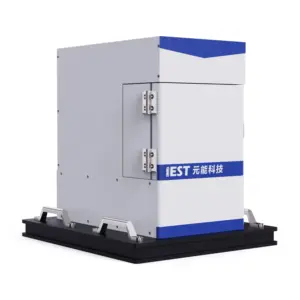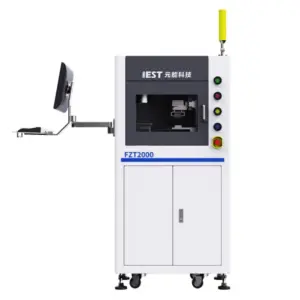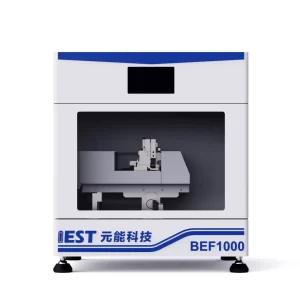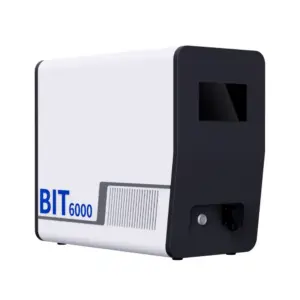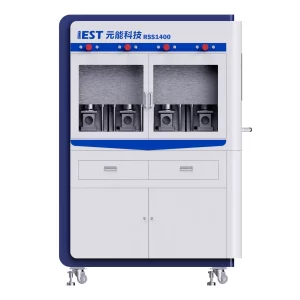
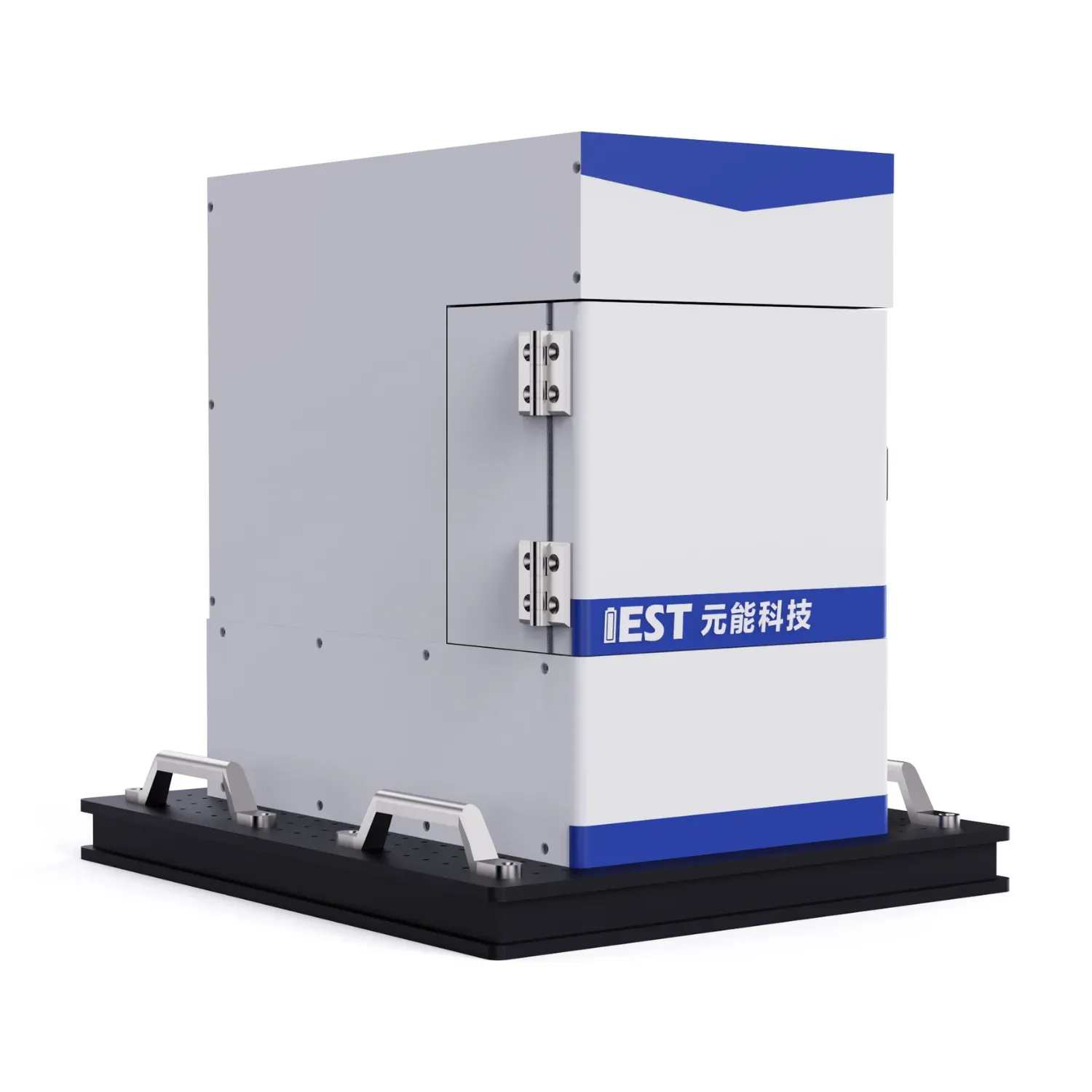
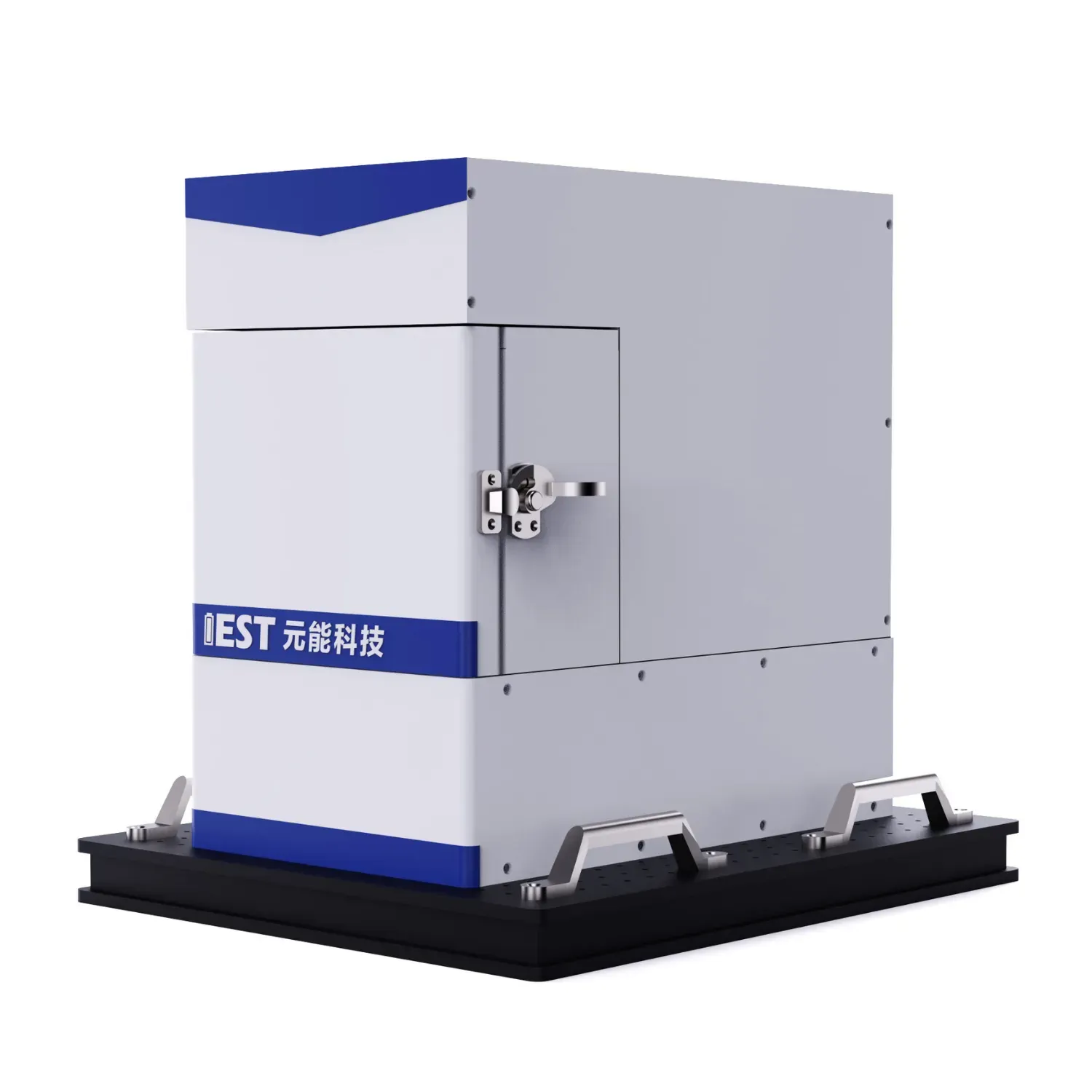
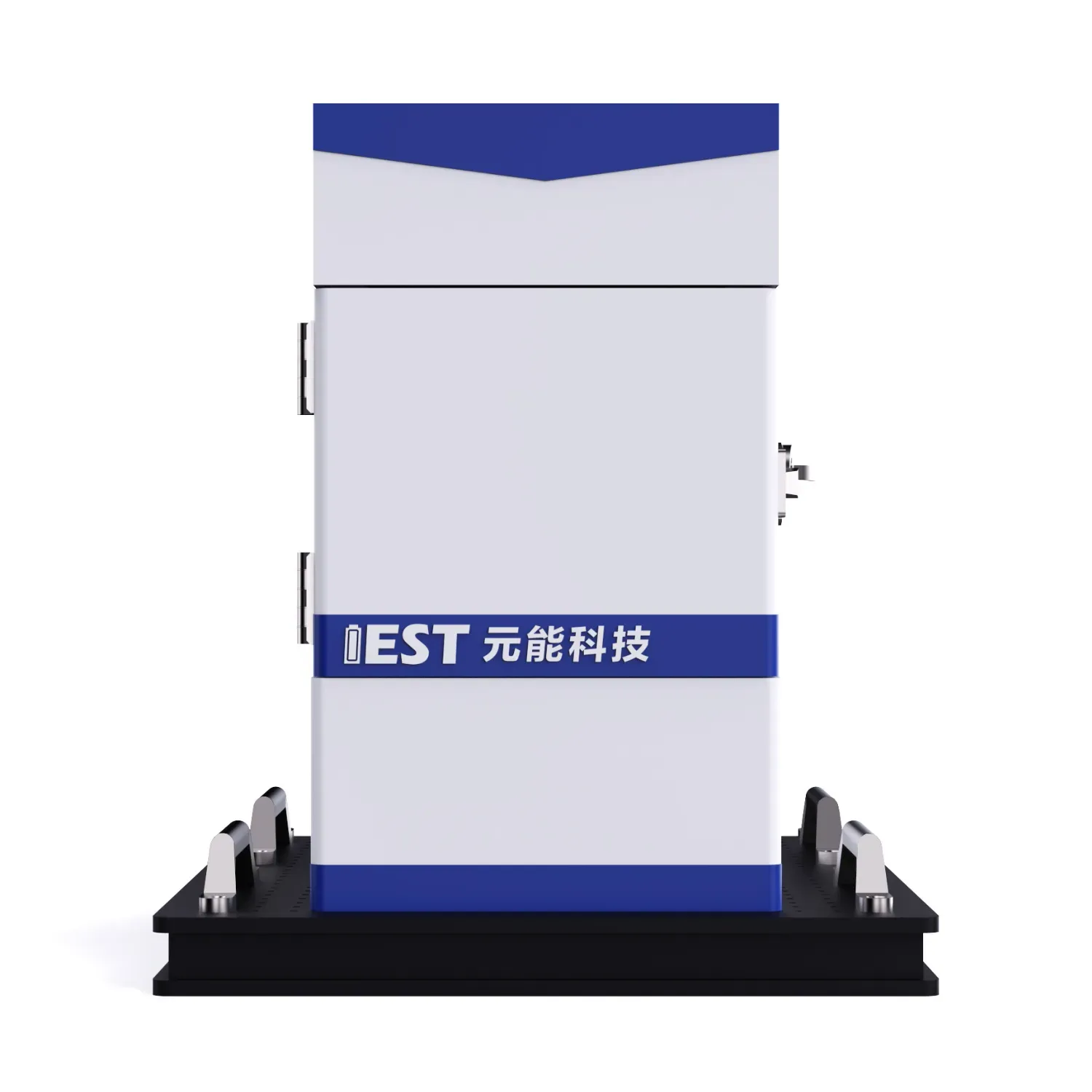
IEST Cylindrical Battery In-Situ Volume Swelling Testing System(CCS1100)

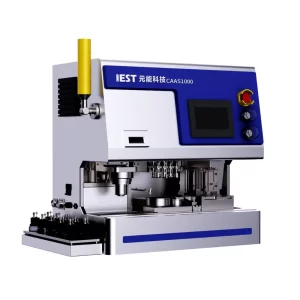
Introduction: The IEST Cylindrical Battery In-Situ Volume Swelling Testing System (CCS1100) is designed for non-contact, non-destructive, in-situ volume swelling analysis of cylindrical batteries. It integrates optical imaging, 3D reconstruction, and real-time online monitoring to evaluate battery surface morphology, volume deformation, and health condition during charge and discharge processes.

Features:

  1. Optical lmaging+ 3D Reconstruction + Real-time Online Monitoring
  2. Non-contact, Non-destructive, Single channel
  3. 25°C – 45°C temperature control
  4. Real time reconstruction of battery surface morphology and calculation of volumedeformation during charge and discharge processes.
  5. Combining voltage and current data todetect and predict battery health condition from a higher dimension.

Application:

  • Material evaluation
  • Structural evaluation
  • Evaluation of different working conditions such as temperature, rate, storage, etc.

Description

1. Significance of Volume Swelling Testing for Cylindrical Battery

During the charge and discharge processes of lithium ion batteries, as lithium ions intercalate and deintercalate into the positive and negative electrode materials, the cell undergoes reversible expansion and contraction. Concurrently, various side reactions occur, such as particle fracture, SEI membrane rupture, cell deformation, lithium plating, gas evolution, etc., resulting in irreversible deformation.

2. Limitations of Existing Methods

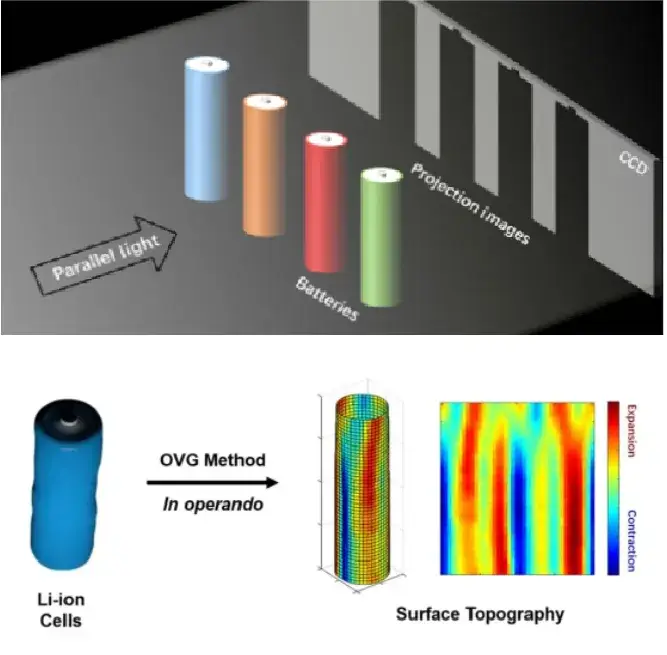
Curently, there are several methods available to characterize the expansion of cylindrical batteries, such as vernier calipers cordinate measuring machines, presure fims, strain gauges, and imaging analysis technigues (including CT scanning, neutron imaing, X-ray, ultrasound etc.) However, these methods suer from low accuracy, inability to conduct in-situ testing, and inability to acurately and comprehensively describe the expansion behavior of cylindrical batteries.
3. Application Scenarios

Material Evaluation
  • Assessment of modification performance for silicon-based anodes, high-nickel ternary, lithium-rich manganese-based, and other active materials used in cylindrical cells.
Structural Evaluation
  • Evaluation of cylindrical cell core structures across different dimensions, wound jelly-roll configurations, and casing rupture risk assessments.
Operational Condition Evaluation
  • Characterization of multi-scenario operating conditions across varying temperatures, charge/discharge C-rates, and long-term storage behavior.

4. Working Principle

Optics-Based Battery Volumetric Imaging Technology

IEST Cylindrical Battery In-Situ Volume Swelling Testing System Details-2

Based on optics-driven volumetric imaging technology, it enables real-time reconstruction of the battery surface 3D topography during charge-discharge cycling and precisely calculates deformation/volume changes.
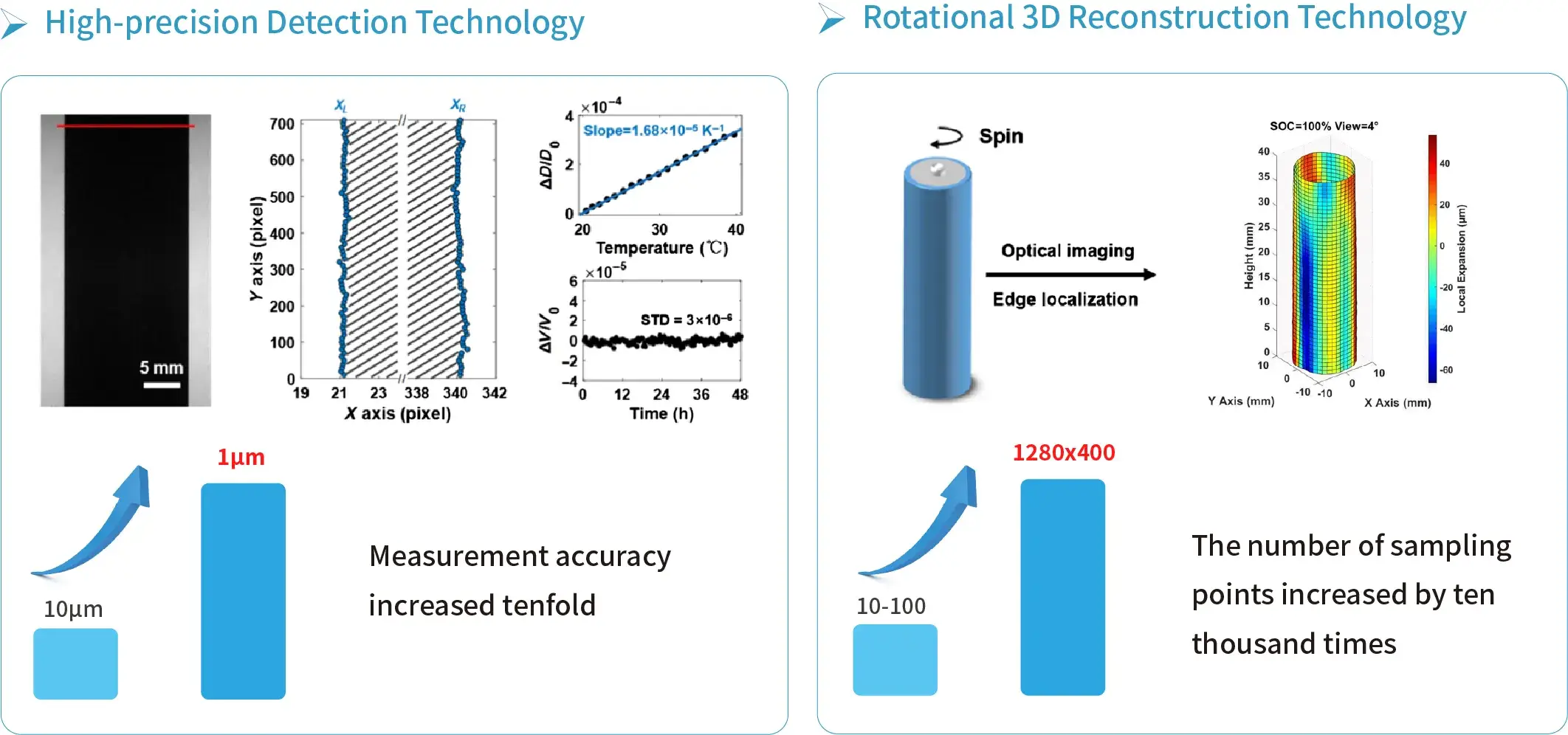
  • Opticallmaging+ 3D Reconstruction + Real-time Online Monitoring
  • Non-contact, Non-destructive
  • Single channel
  • 25°C – 45°C temperature control
  • Max supported current: 30A

5. Leading Technology

IEST Cylindrical Battery In-Situ Volume Swelling Testing System Details-3

Applications

1. Application Case: Swelling Volum

1.1 Swelling Testing of cells with Different Silicon Contents

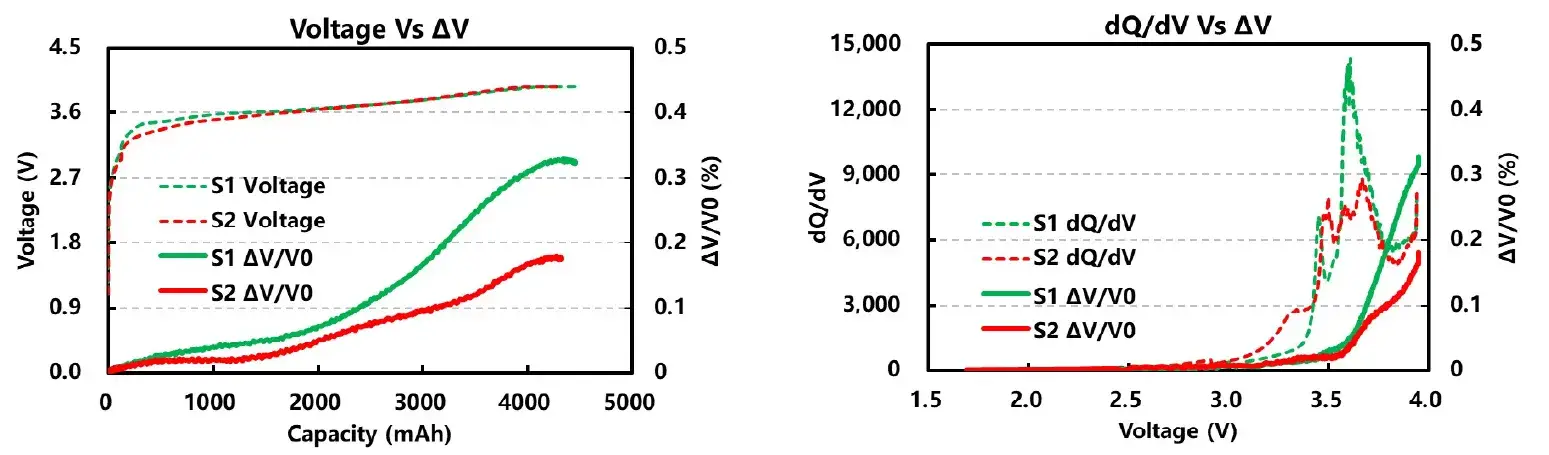
IEST Cylindrical Battery In-Situ Volume Swelling Testing System (CCS1100) application case: in-situ formation volume swelling percentage (ΔV/V0), voltage profiles, and differential capacity (dQ/dV) analysis for cylindrical lithium-ion cells with different silicon content formulations (S1 vs. S2).

  • 21700 Cell parameters: Sample 1-15%Sic ; Sample 2-10%Sic
  • The formation volumetric swelling curves indicate that as the silicon content increases, the volume expansion during the formation process intensifies, and the peak corresponding to lithiation on the differential capacity ($dQ/dV$) curve becomes progressively higher.

1.2 Diameter Swelling Testing Under Different C-Rates

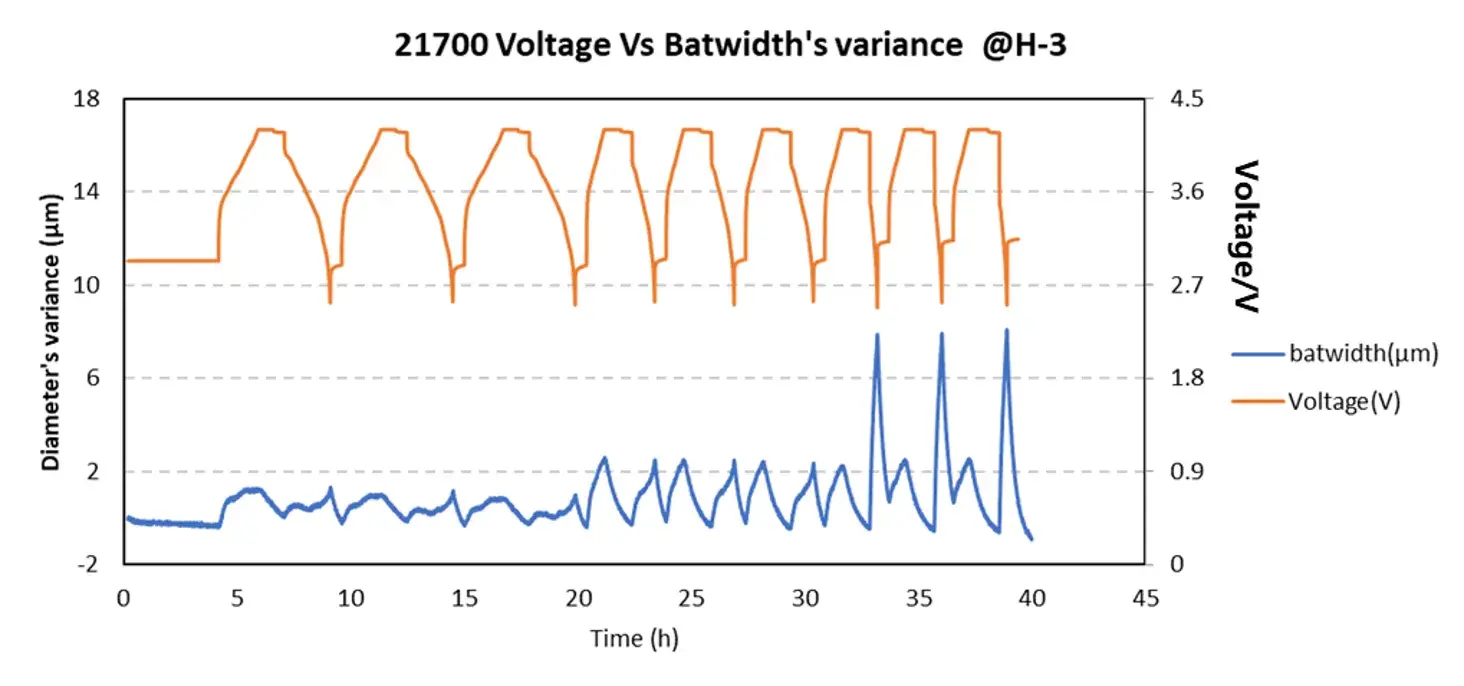
IEST Cylindrical Battery In-Situ Swelling Testing System application case: in-situ dynamic diameter swelling variance (batwidth in µm) and charge-discharge voltage profiles for 21700 cylindrical lithium-ion cells under multiple C-rates.

  • Sample: 21700 NCM/Gr, 4.2 Ah
  • Different C-Rates: 0.5C/1C/2C
  • Conclusion: Different charging currents have a significant impact on thickness swelling.

1.3 Diameter Swelling testing of 4695 batteries

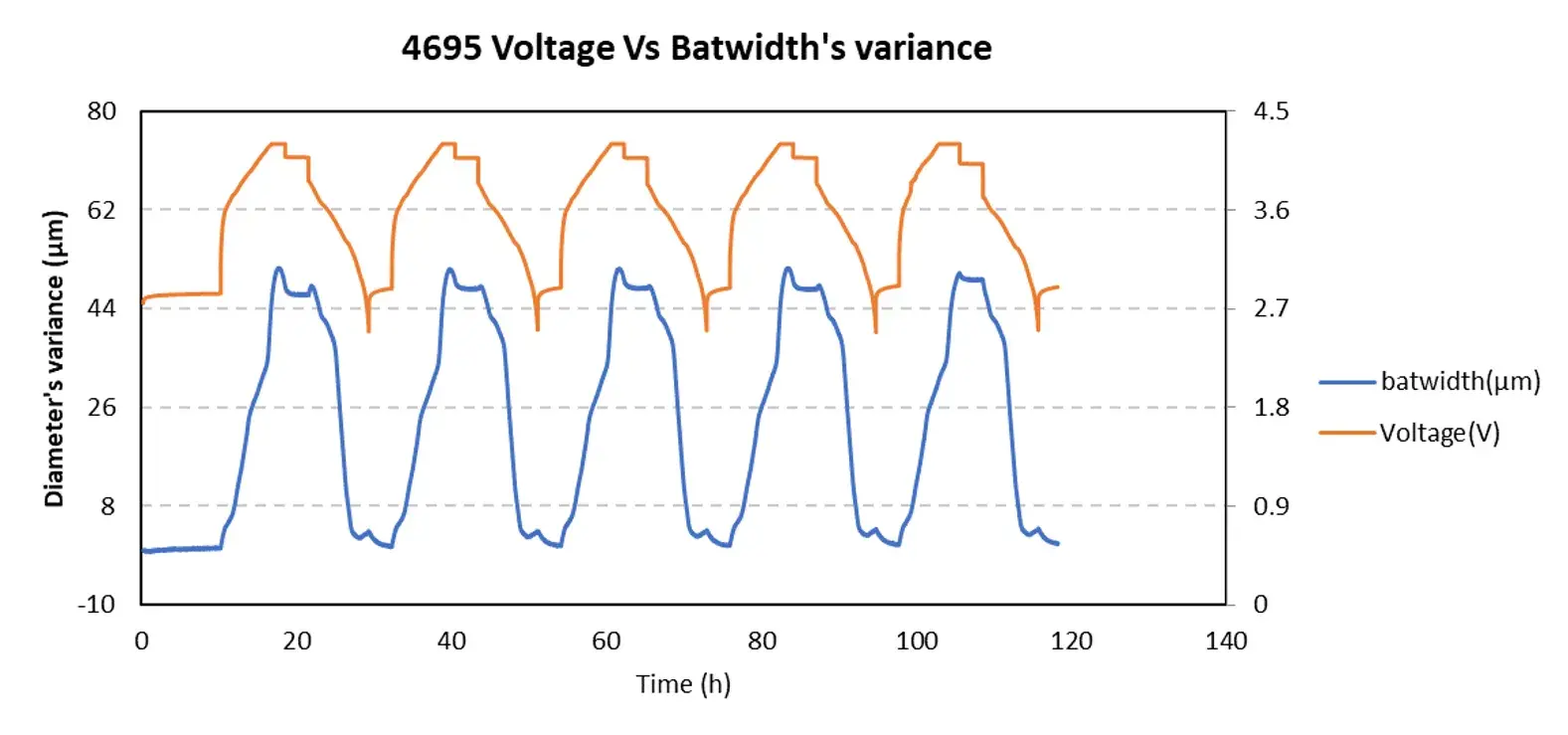
IEST Cylindrical Battery In-Situ Swelling Testing System application case: in-situ dynamic diameter expansion variance (batwidth in µm) and charge-discharge voltage profiles for large-format 4695 cylindrical lithium-ion cells.

image771

  • Sample: 4695 NCM/Gr, 33Ah
  • C-Rates: 0.1C
  • Conclusion: During charge-discharge cycling, the maximum diameter expansion is approximately 50 μm, and the cylindrical cell exhibits non-uniform swelling behavior.

1.4 Diameter Swelling testing of 4680 batteries

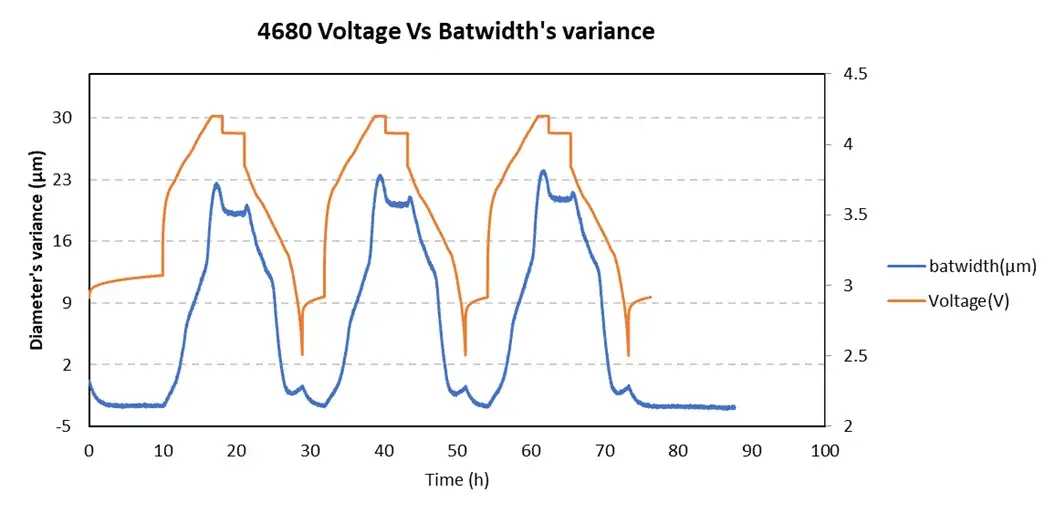
IEST Cylindrical Battery In-Situ Swelling Testing System application case: in-situ dynamic diameter expansion variance (batwidth in µm) and charge-discharge voltage profiles for large-format 4680 cylindrical lithium-ion cells.

image772

  • Sample: 4680 NCM/Gr, 30Ah
  • C-Rates: 0.1C
  • Conclusion: During charge-discharge cycling, the maximum diameter expansion is approximately 23 μm, and the cylindrical cell exhibits non-uniform swelling behavior.

2. Application Case: Swelling Force

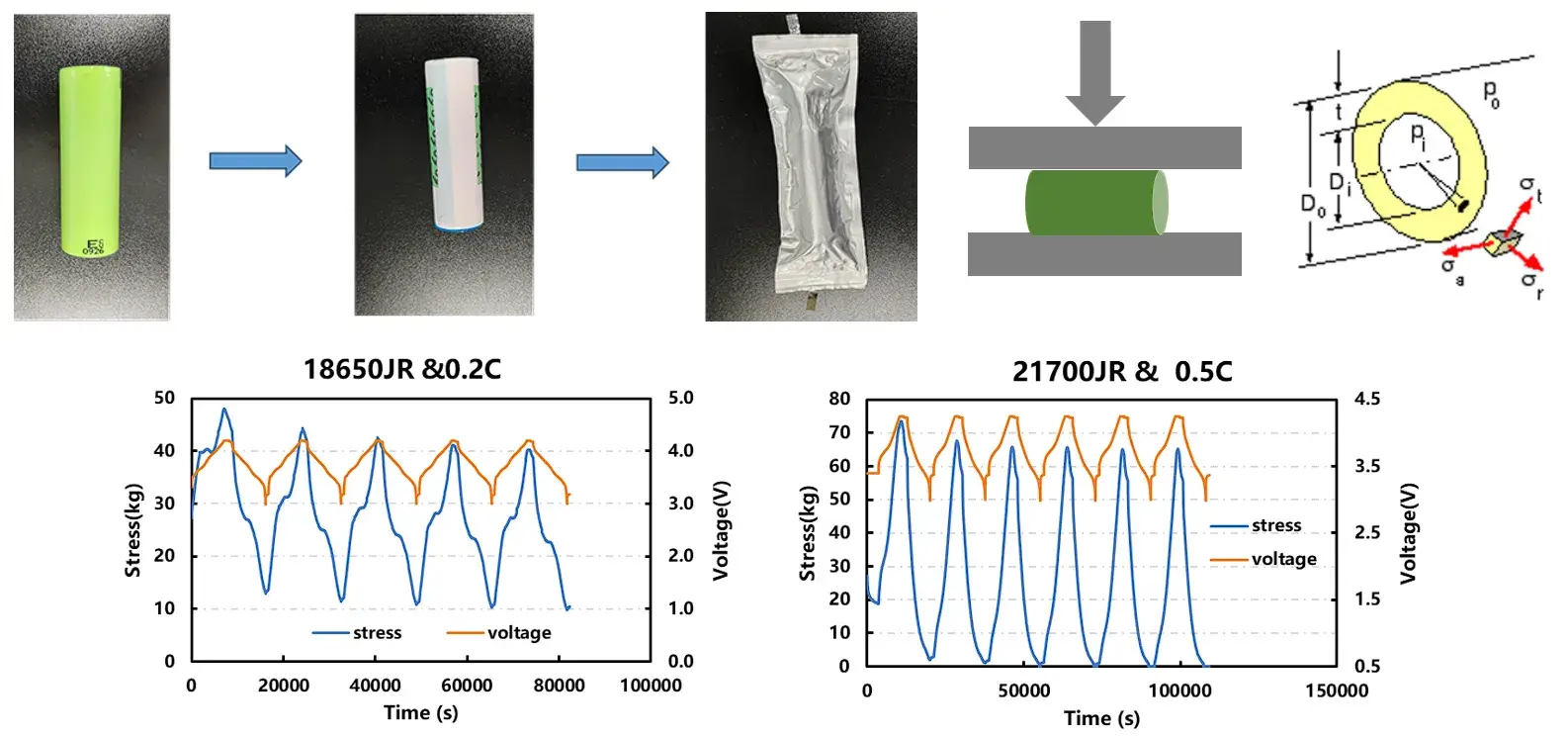
IEST Cylindrical Battery In-Situ Volume Swelling Testing System(CCS1100) application case: evaluating in-situ dynamic swelling stress (kg) and cycling voltage evolution for 18650JR (0.2C) and 21700JR (0.5C) cylindrical jelly rolls under mechanical constraint.

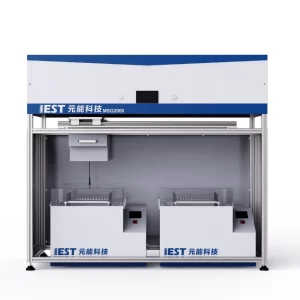
  • Test Scheme: After sealing the cylindrical cell into aluminum laminated film, in-situ swelling testing was conducted using the SWE series testing system.
  • Mechanics Theory of Swelling: Based on the thick-walled cylinder shear stress theory, cell swelling is primarily driven by stresses in both the axial and circumferential (hoop) directions.

  • In-Situ Characterization & Cell Optimization: By simulating the casing’s mechanical constraint on the cylindrical jelly-roll, this approach enables in-situ characterization of jelly-roll swelling force, facilitating the structural optimization and development of cylindrical cells.

Specifications

CCS1100
Applicable Cells Number of Channels Optical Detection Resolution Weight Dimensions (W×D×H)
18650, 21700, 4680 & 4695
Cylindrical Cells
1 0.1 μm 200 kg 500 × 230 × 360 mm

Download

IEST Cylindrical Battery In-Situ Volume Swelling Testing System

Contact Us

Please fill out the form below and we will contact you asap!

IEST Wechat QR code