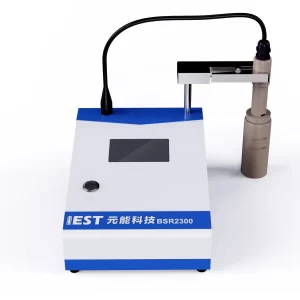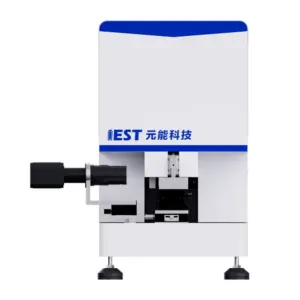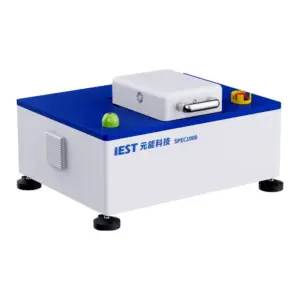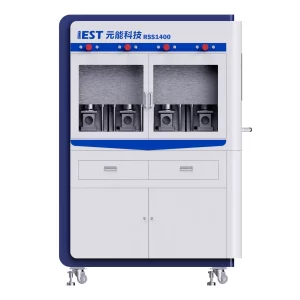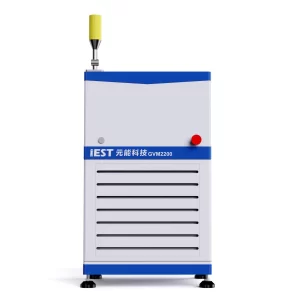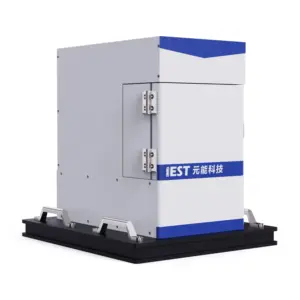
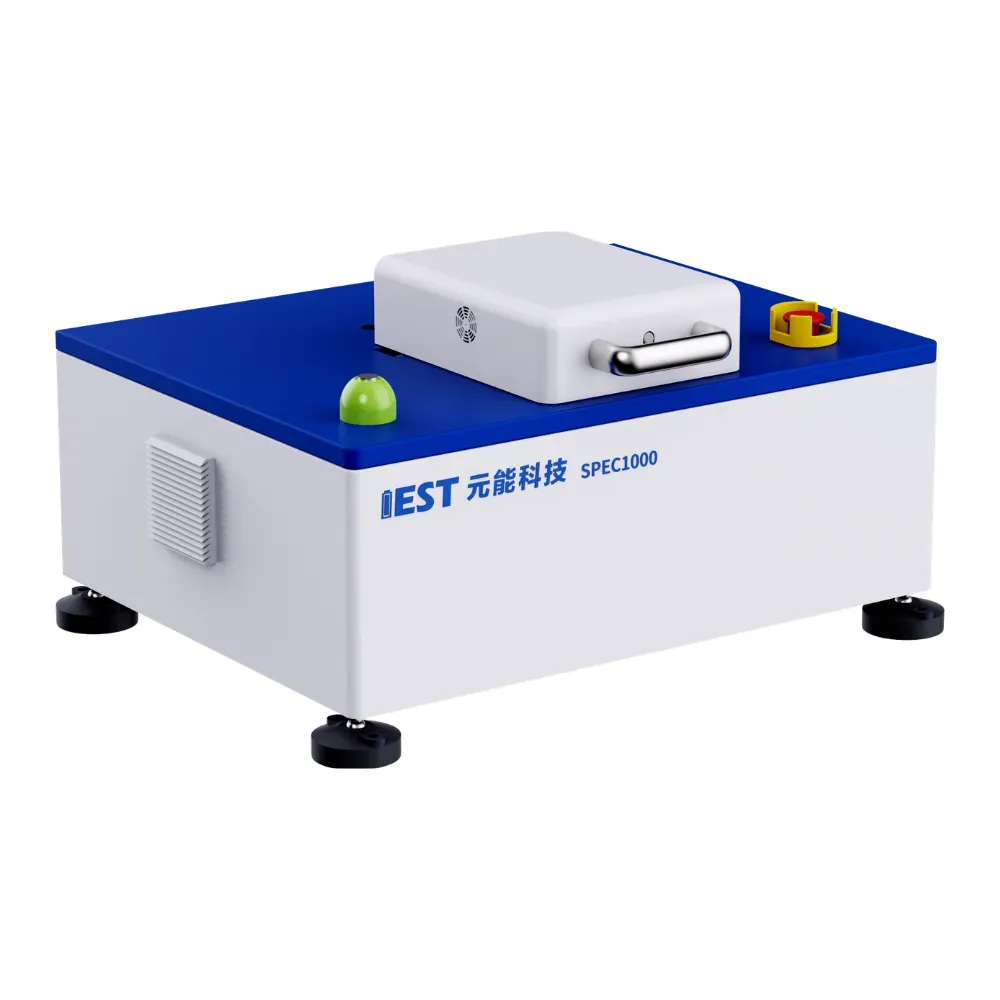
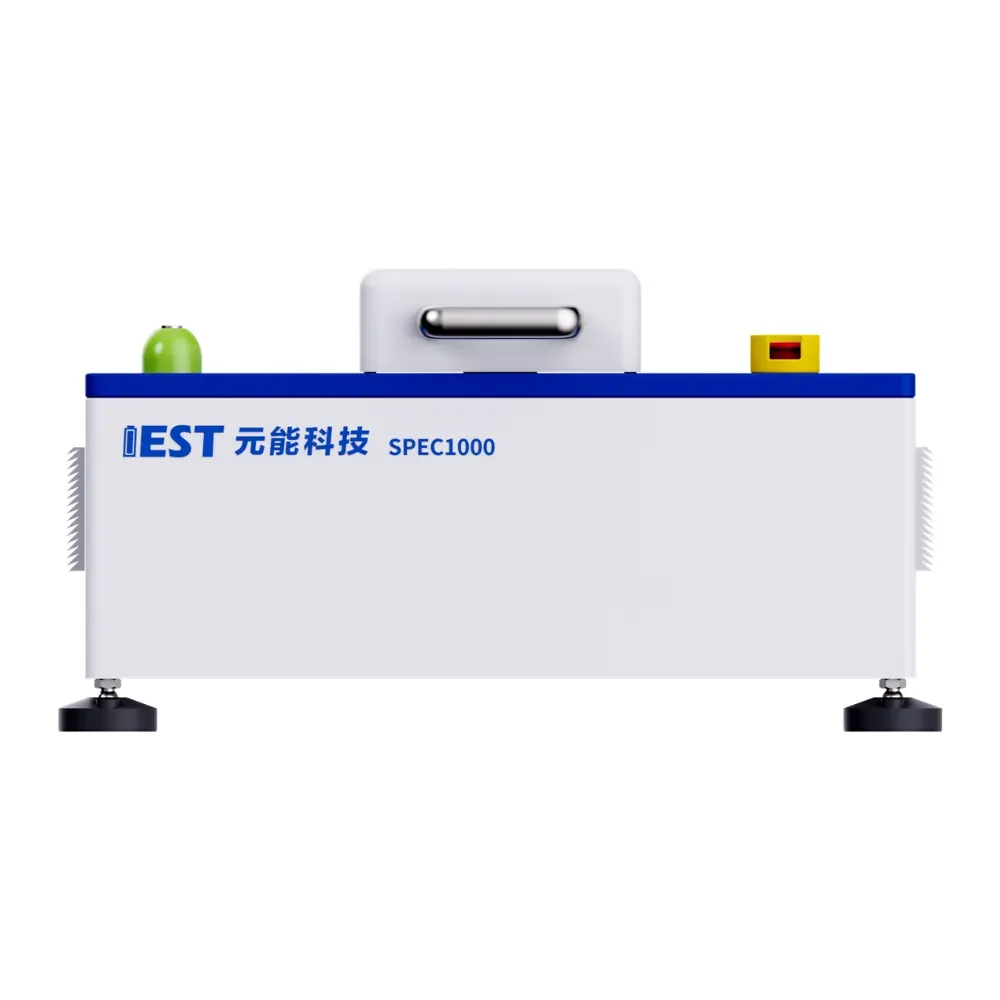
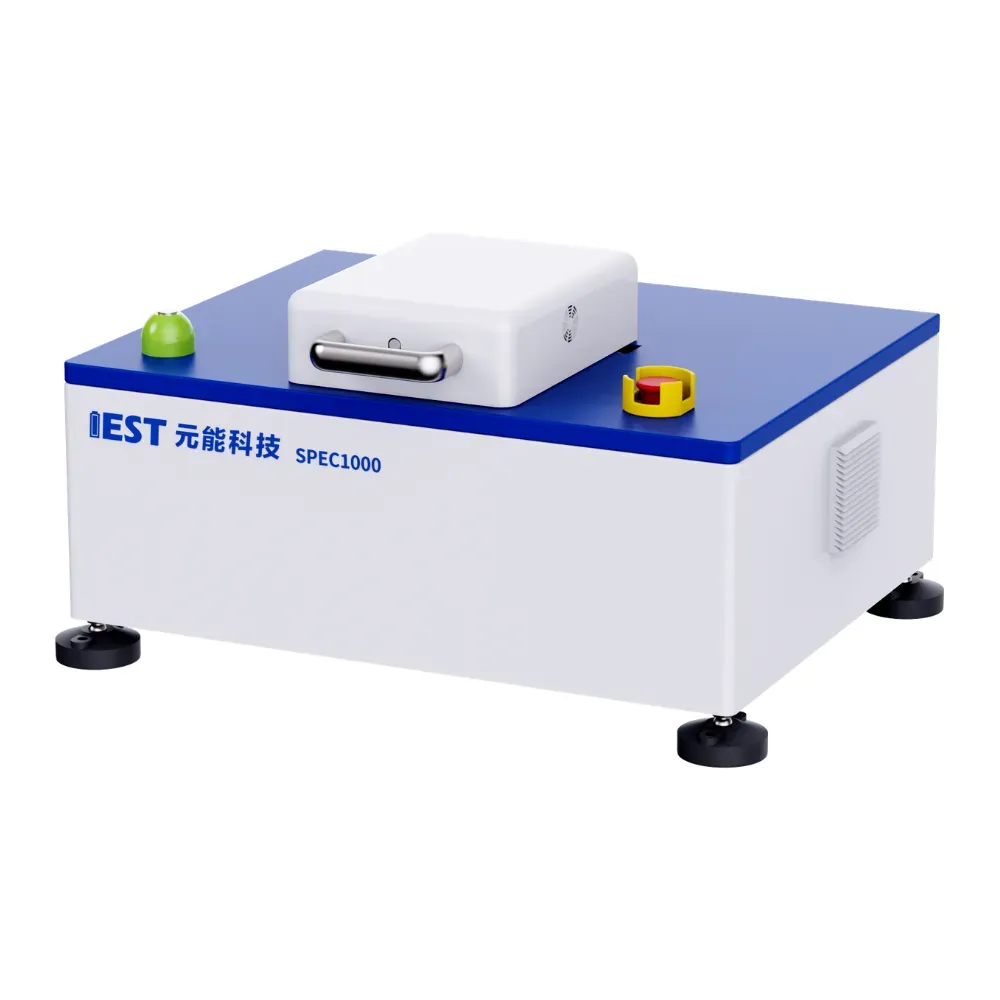
IEST Single Particle Electrochemical Performance Testing System(SPEC Series)

Introduction: Single Particle Electrochemical Performance Testing System combined with an advanced microscopic imaging system and automated sample-displacement control, utilizing innovative optical imaging of monolayer-particle coin cells. It accurately tracks real-time optical signals from multiple particles synchronously under electrical modulation, overcoming the limitations of traditional single-particle methods that suffer from low throughput and poor statistical relevance, eliminating the influence of traditional electrode fabrication processes to analyze the intrinsic electrochemical properties of materials for battery modeling, failure analysis, and high-throughput material screening.

Features:

  • Optical-Electrochemical Synchronization: Combines a sample-displacement control system and a sample electrochemical cell with a microscopic imaging system to record real-time optical intensity changes.
  • High-Throughput Tracking: Observes and compares the electrochemical activity of multiple particles simultaneously, overcoming the statistical limitations of isolated single-particle methods.
  • High-Resolution Imaging: Equipped with a 40× magnification objective lens, delivering a single-particle resolution of > 375 nm within a 312 × 250 μm field of view.
  • In-Situ Optical-Electrochemical Correlation: Synchronizes electrical modulation with time-lapsed optical imaging (up to < 1 Hz frame rate), allowing direct visualization of particle-level activity changes, phase transitions, and capacity-fading dynamics.
  • Advanced Visual Mapping: Generates statistical activity results, spatial distribution maps, and normalized-capacity heatmaps to clearly visualize gradual fading, sudden capacity drops, and inactive areas at the particle level.
  • Customizable Optical Source: Utilizes a tunable light source in the 400–700 nm visible range, adaptable to different active material systems for optimal optical contrast.

Application:

  • Lithium and sodium cathode/anode single particles (Ni80, LCO, Graphite, etc.)
  • Battery failure analysis (monitoring spatial heterogeneity, gradual capacity fading, and sudden particle-level drops)
  • High-throughput battery material screening (simultaneous comparison of particle rate-performance and phase-transition potentials)
  • Phase-transition mechanism studies (such as resolving lithiation modes and constructing phase maps)
  • Intrinsic particle-level battery modeling data calibration

Subscribe us

Description

1. Introduction

  • To investigate the true, intrinsic performance of active battery materials, eliminating the complex variables introduced by downstream electrode manufacturing processes is essential. Consequently, precision single particle electrochemical analysis has become a critical requirement across advanced laboratory workflows.

  • Conducting robust single particle electrochemical characterization serves three primary purposes:

Core application purposes of the SPEC series single-particle characterization platform: battery modeling, battery failure analysis, and high-throughput material screening.

Limitations of Traditional Single-Particle Methods

While isolating single particles is highly valuable, legacy micro-electrode and micromanipulator approaches suffer from severe bottlenecks:

  • Low Throughput: Only a few particles can be isolated and measured sequentially, making full statistical mapping nearly impossible.
  • Poor Statistical Relevance: The electrochemical behavior of a single, isolated particle is highly vulnerable to outliers and fails to accurately represent the bulk material.
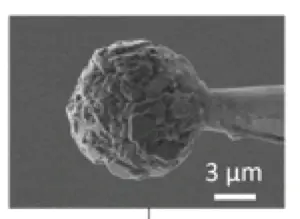
Close-up microscopic evaluation of an isolated single battery active material particle under a 3-micrometer scale bar to identify particle-level properties.

2. Innovative Solution: In-Situ Optical-Electrochemical Mapping

To resolve the compromises of traditional techniques, the IEST SPEC series introduces an innovative in-situ optical monitoring solution. By utilizing high-resolution optical imaging on customized monolayer-particle coin cells, the system tracks real-time optical and electrochemical signals from hundreds of individual particles synchronously. This effectively bridges the gap between single-grain localized kinetics and bulk material statistical relevance, establishing a new standard for high-throughput single particle electrochemical evaluation.

Operational principle and system schematic of the IEST single-particle electrochemical testing system, highlighting optical cell components and monolayer assembly sequence.

Applications

1. Single-Particle Level Activity Distribution
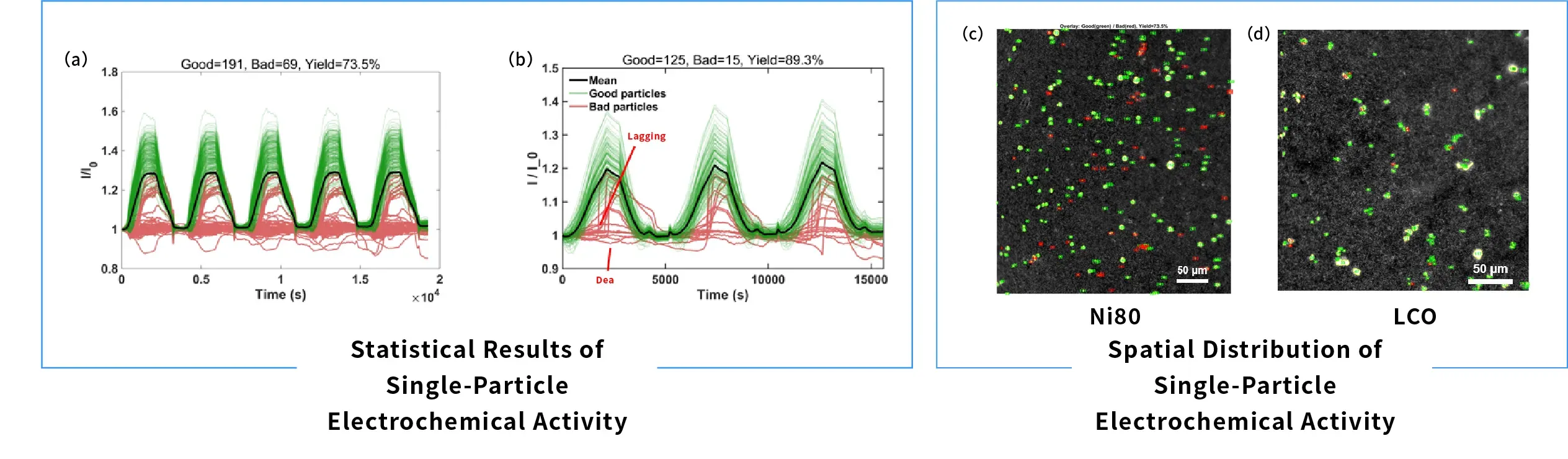
Statistical activity results and spatial distribution tracking maps of single-particle electrochemical activity on Ni80 and LCO cathode materials.

  • Coin cells with monolayer particle electrodes are assembled.

  • During cycling, optical-intensity curves from multiple particles are compared with the average curve to define the active-particle yield.

2. Ni80 Particle Level Long-Cycle Capacity-Fade Analysis
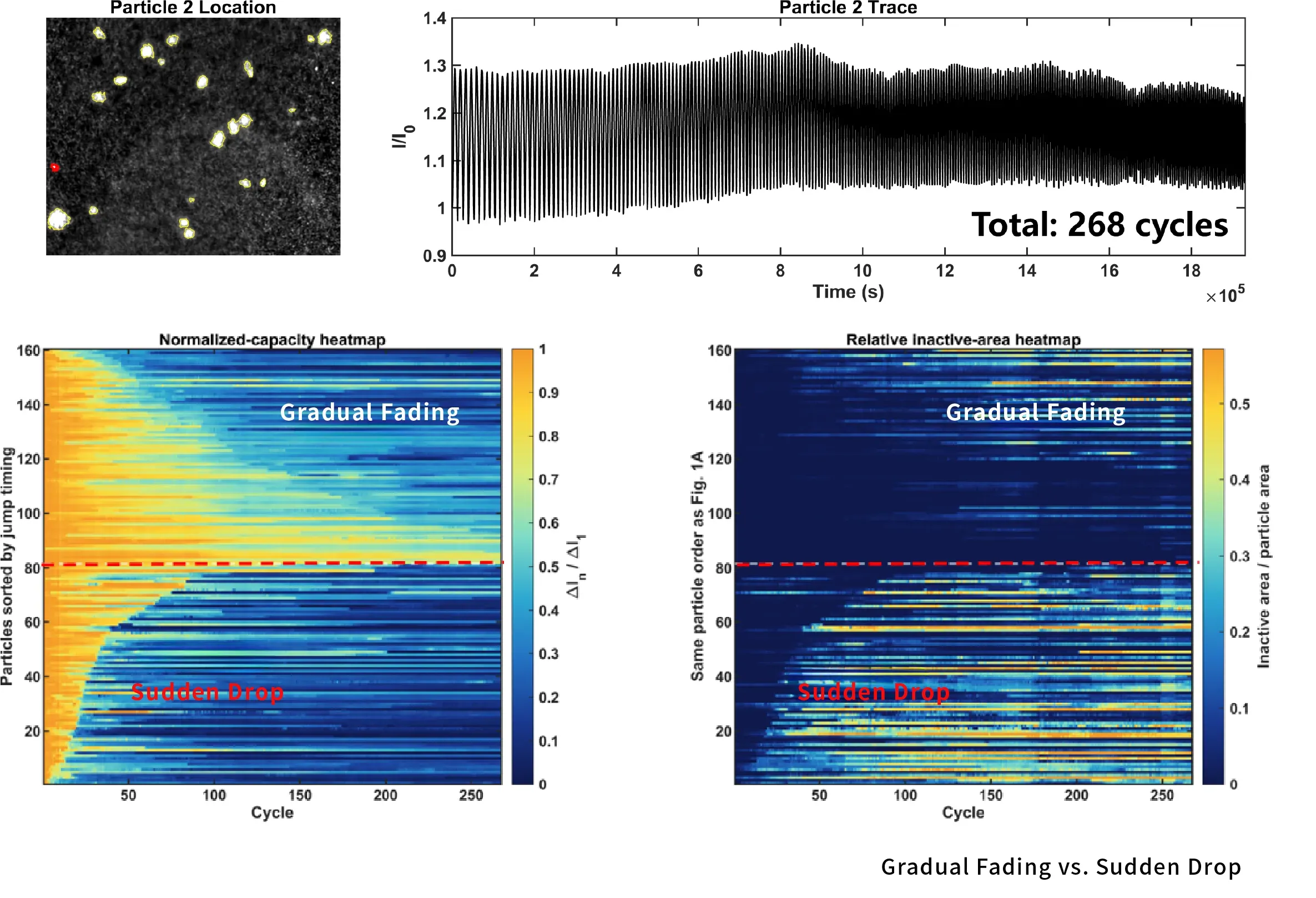
Single-particle long-cycle capacity fade analysis displaying particle tracking over 268 cycles alongside normalized-capacity and relative inactive-area heatmaps.

  • The optical-intensity variation of individual particles decreases markedly with battery cycling, which is correlated with capacity fading.

  • Batch analysis of optical signals from multiple particles can support cell failure analysis.

  • Capacity plunge behavior during extended cycling is distinctly observed even at the single-particle scale.
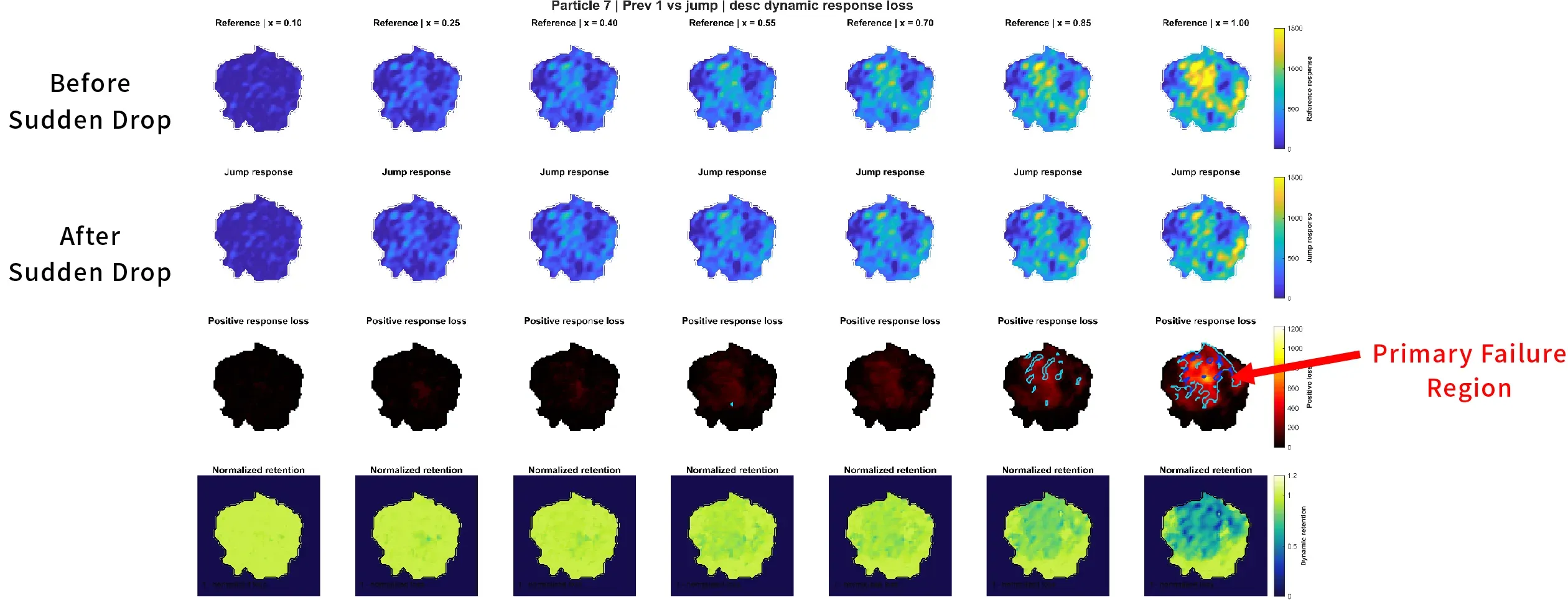
Localized single particle battery failure analysis, trace the positive response loss to isolate the primary failure zone in the internal of active particle.

  • Spatial heterogeneity of capacity fading and plunge behavior at the single-particle scale.

3. Graphite Phase-Transition Mechanism Study
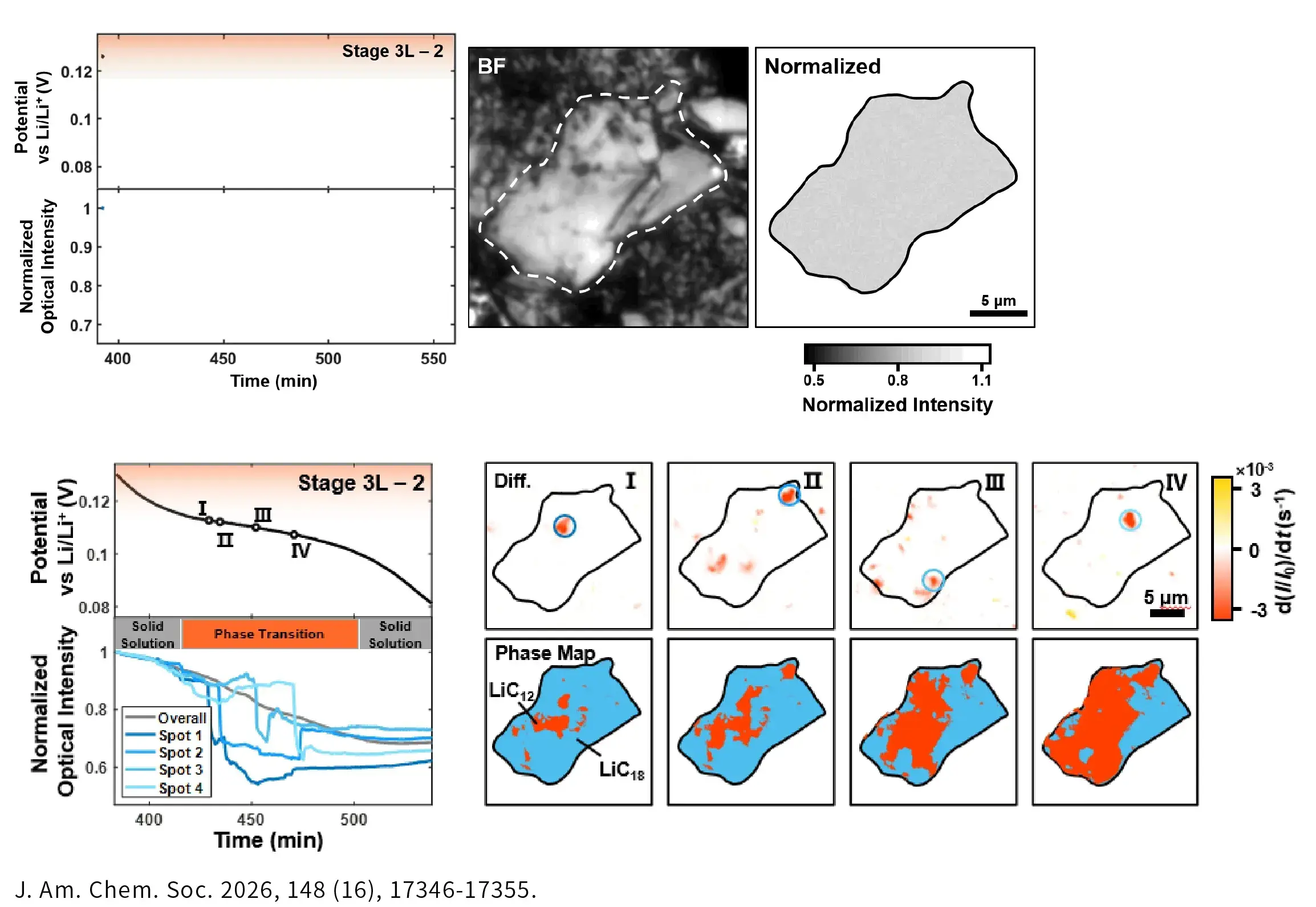
Graphite phase-transition mechanism study mapping phase transformation spatial distribution and normalized optical intensity changes during battery lithiation stages.

  • Graphite particles exhibit a “Stochastic nucleation- Confined propagation” mode during graphite lithiation.

  • Spatially resolved mechanism.

4. High-Throughput Material Screening
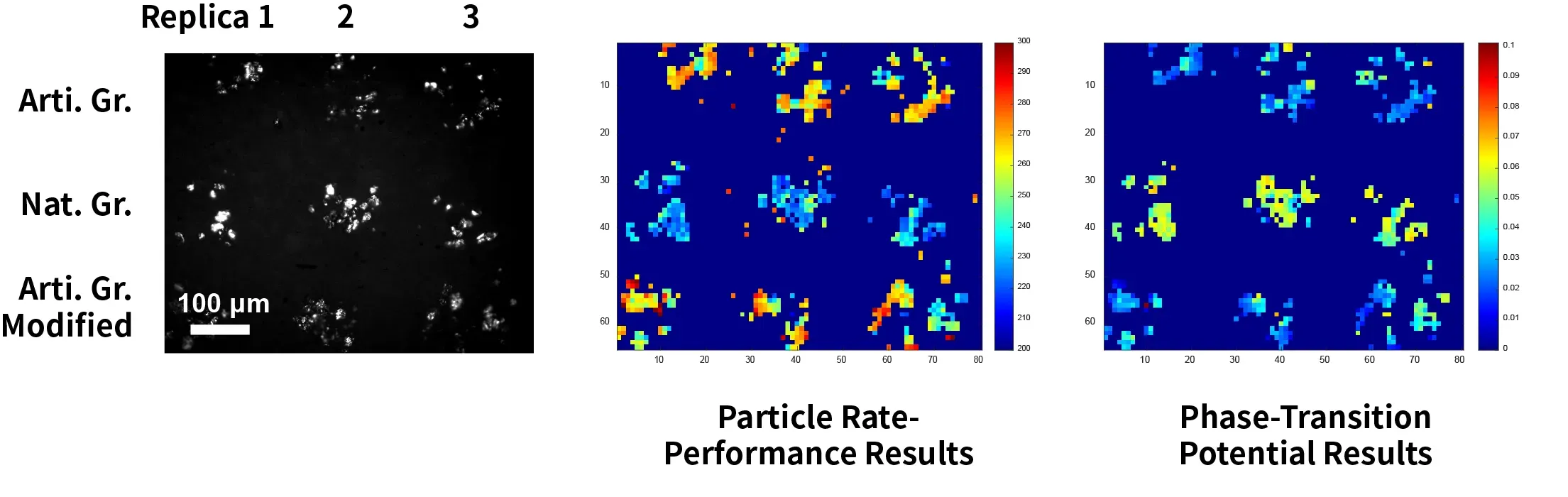
High-throughput battery material screening using the IEST SPEC1000 system, comparing particle rate-performance maps and phase-transition potential results across artificial and natural graphite variants.

  • Utilizing a multi-sample particle spotting pattern allows for synchronized comparative observation of electrochemical activity across distinct particle cohorts.

Specifications

Model SPECT1000
Single-particle resolution > 375 nm
Image acquisition frame rate < 1 Hz
Field of view 312 × 250 μm
Magnification 40×
Light-source wavelength 400-700 nm

Download

IEST Single Particle Electrochemical Performance Testing System

Download PDF

Contact Us

Please fill out the form below and we will contact you asap!

IEST Wechat QR code