IEST Application Engineering Team

IEST Application Engineering Team

Analysis of Electrical Conductivity and Compression Properties of Hard Carbon and Graphite Materials
Analysis of Electrical Conductivity and Compression Properties of Hard Carbon and Graphite Materials

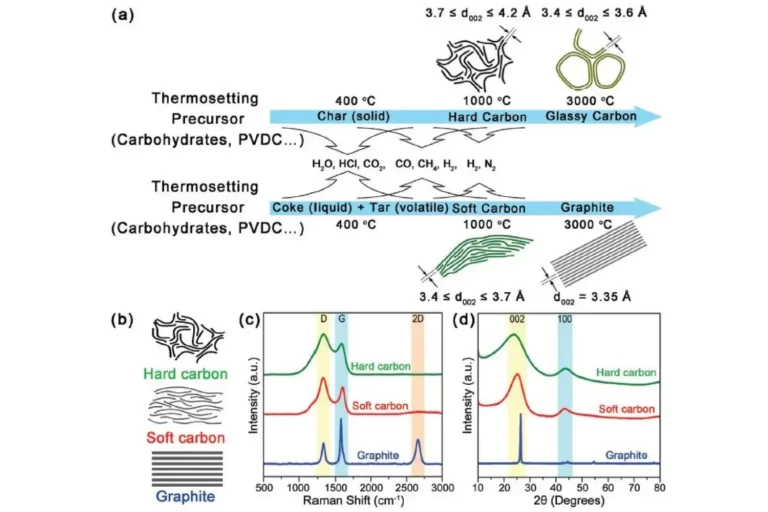
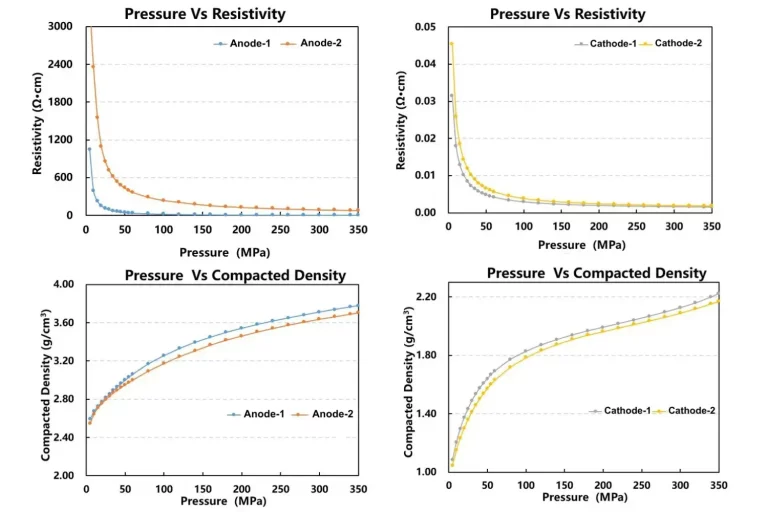
Abstract Hard carbon vs graphite comparison across electrical conductivity, compaction density, and thickness rebound reveals a clear material division: graphite compaction density approaches 2.3 g/cm³ at high pressures with substantially higher electrical conductivity, while hard carbon density remains lower due to persistent microporosity…
Dry Electrode Process: PTFE Binder Fibrillation, In-Situ Resistivity, and Calender Pressure Optimization

Optimizing Dry Electrode Process with Powder and Electrode Resistivity Analysis

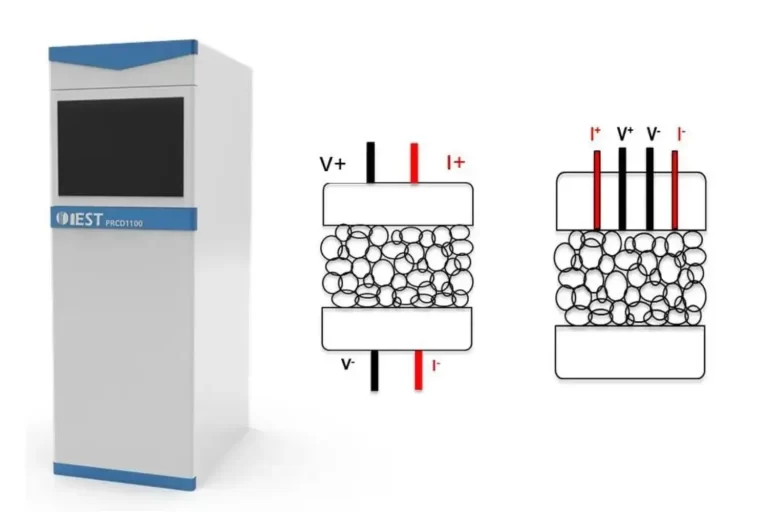
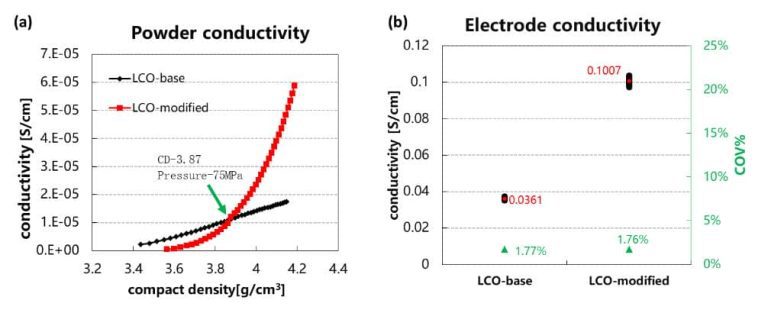
Abstract The dry electrode process — a solvent-free manufacturing route that compresses active material, conductive additive, and PTFE binder directly onto a current collector without NMP coating and drying — is a critical enabler for next-generation battery formats including solid-state…

LMFP Voltage Plateau, Conductivity & Compaction Density Testing: 5-Sample Powder Test Data

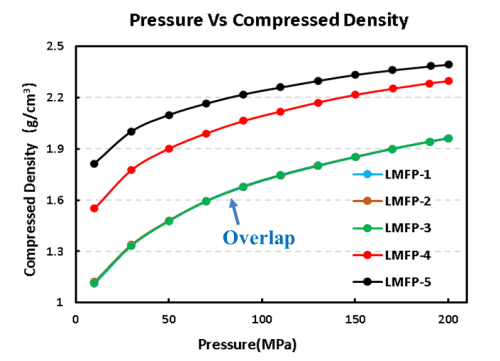
Compaction density test results of the five lithium manganese iron phosphate materials

Abstract LMFP voltage profile: Lithium manganese iron phosphate (LiMnxFe1−xPO₄) has a dual-plateau voltage profile—a characteristic that distinguishes it from LFP’s single plateau. The Mn²⁺/Mn³⁺ redox couple gives a plateau at approximately 4.1 V vs Li/Li⁺, and the Fe²⁺/Fe³⁺ redox couple gives a plateau…

IEST Wechat QR code

Contact Us

Please fill out the form below and we will contact you asap!