-
iestinstrument

Abstract
1. Introduction: Why Testing Standards for Power and Energy Storage Batteries Cannot Be Mixed
Lithium-ion batteries are now deployed across two distinct application domains: electric vehicles (EVs) and grid-scale energy storage systems (ESS). While both use similar material systems — predominantly LFP and graphite — their testing standards are fundamentally different. Applying power battery test results to energy storage projects risks inconsistency, premature degradation, and underperforming assets.
This article draws on two national standards — GB/T 31486‑2024 (Electric vehicles — Performance requirements and test methods for traction batteries) and GB/T 36276‑2023 (Lithium‑ion batteries for electrical energy storage — Performance and test methods) — to examine the differences between power batteries and energy storage batteries from a testing perspective.
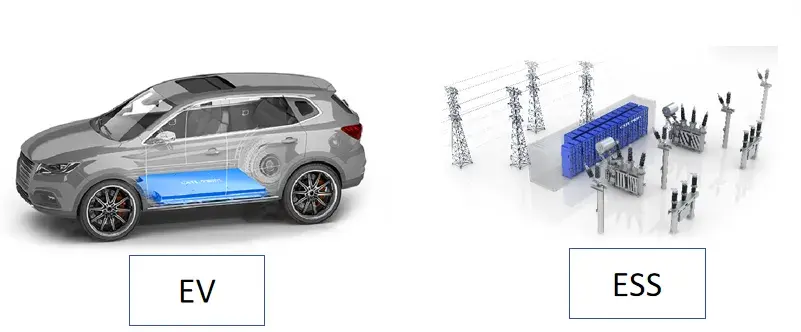
Figure 1. Application scenarios of power battery and energy storage battery.[3]
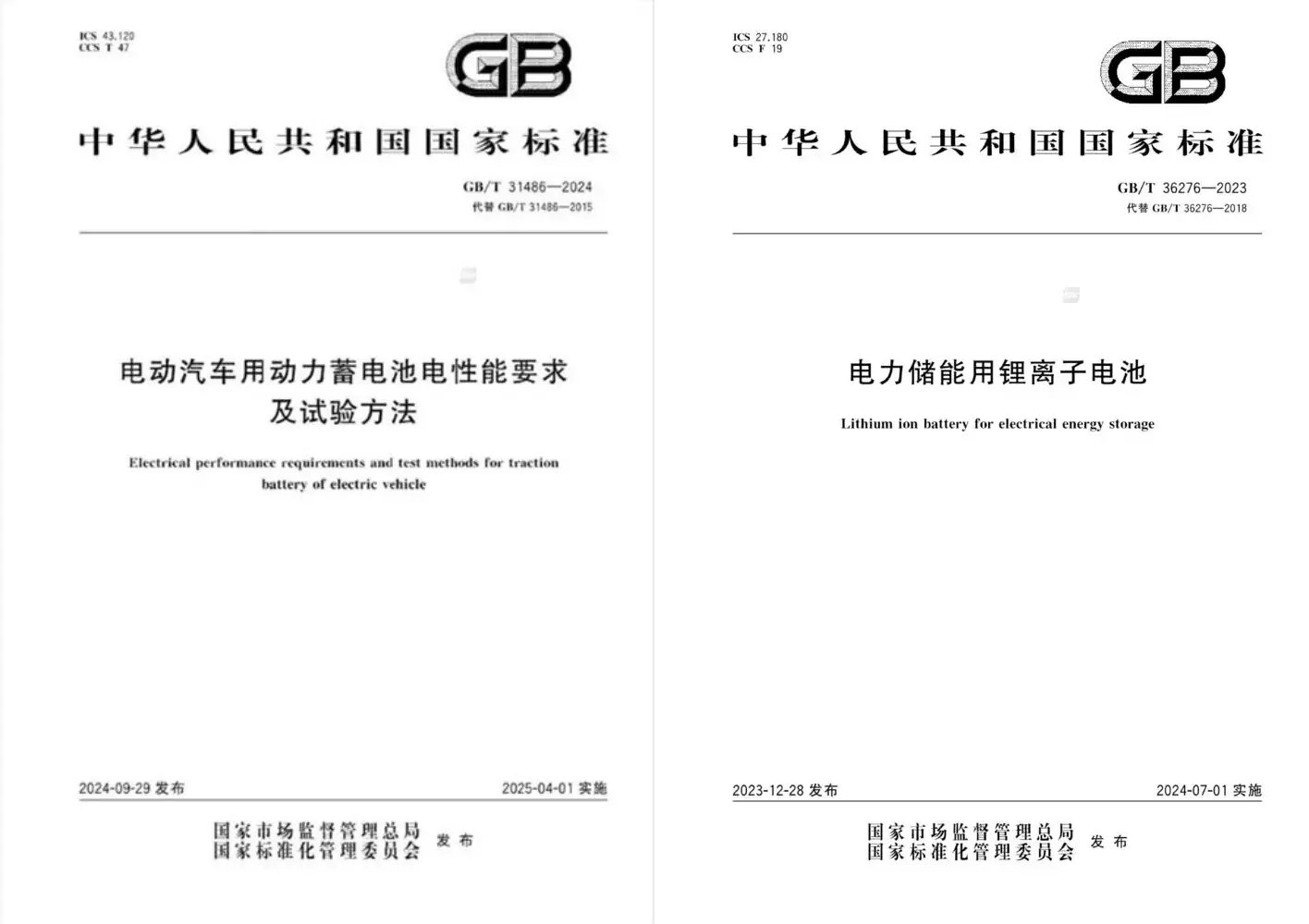
Figure 2. National test standards for power batteries and energy storage batteries.[1-2]
2. Cathode and Anode Material Selection: Different Design Priorities
Application conditions dictate material design. Power batteries prioritize power output and fast charging, while energy storage batteries focus on long-term stability and cost efficiency.
| Dimension | Power Battery (EV) | Energy Storage Battery (ESS) |
|---|---|---|
| Mainstream Cathode | Ternary NCM/NCA, LFP; Pursuing high specific energy and fast-charging C-rate | LFP — flat voltage plateau, long cycle life, cost efficiency |
| Mainstream Anode | Artificial/natural graphite, gradually introducing Si/C; Balancing energy density and high-current tolerance | Artificial graphite, rarely Si/C; Strictly controlling side reactions to minimize long-term degradation |
| Material Design Focus | High compaction density, high specific capacity, supporting high-current fast charging and pulse power output | Plateau consistency, de-emphasizing ultra-high C-rates, tailored for frequent deep charge/discharge cycles |
| Typical Operating SOC Range | 10%–80%, avoiding full charge/discharge in routine cycling | 20%–90%, frequent deep charge/discharge operation |
3. Key Differences in GB/T Test Methods
Operating environments determine testing protocols. Power battery testing focuses on cell capacity, fast-charging, and low-temperature discharge, while energy storage testing emphasizes system-level efficiency, consistency, and high-temperature aging.
| Test Parameter | GB/T 31486-2024 (Power Battery) | GB/T 36276-2023 (Energy Storage Battery) |
|---|---|---|
| Charge/Discharge Mode | Constant current (CC), evaluating capacity | Constant power (CP), focusing on energy and conversion efficiency |
| High/Low Temperature Performance | -20°C low temp, 45°C high temp; evaluating capacity retention rate | 5°C, 45°C at rated power; evaluating energy efficiency (cell ≥ 93%) |
| Charge Retention & Storage | 45°C fully charged rest for 7 days; 45°C, 50% SOC storage for 30 days | 45°C fully charged rest for 30 days; 50°C, 50% SOC storage for 30 days (simulating long-term station standby) |
| Cycle Performance | No mandatory cycling requirements in this standard | 45°C at rated power for 1,000 cycles; monitoring energy loss and cell voltage dispersion |
4. IEST Instrument’s Tailored Solutions for Power and Energy Storage Testing
IEST Instrument offers tailored characterization solutions for both power and energy storage battery applications. Our portfolio covers material mechanics, powder resistivity, electrode uniformity, and cell-level swelling and gas evolution analysis. For detailed information on our product offerings, please contact our technical team.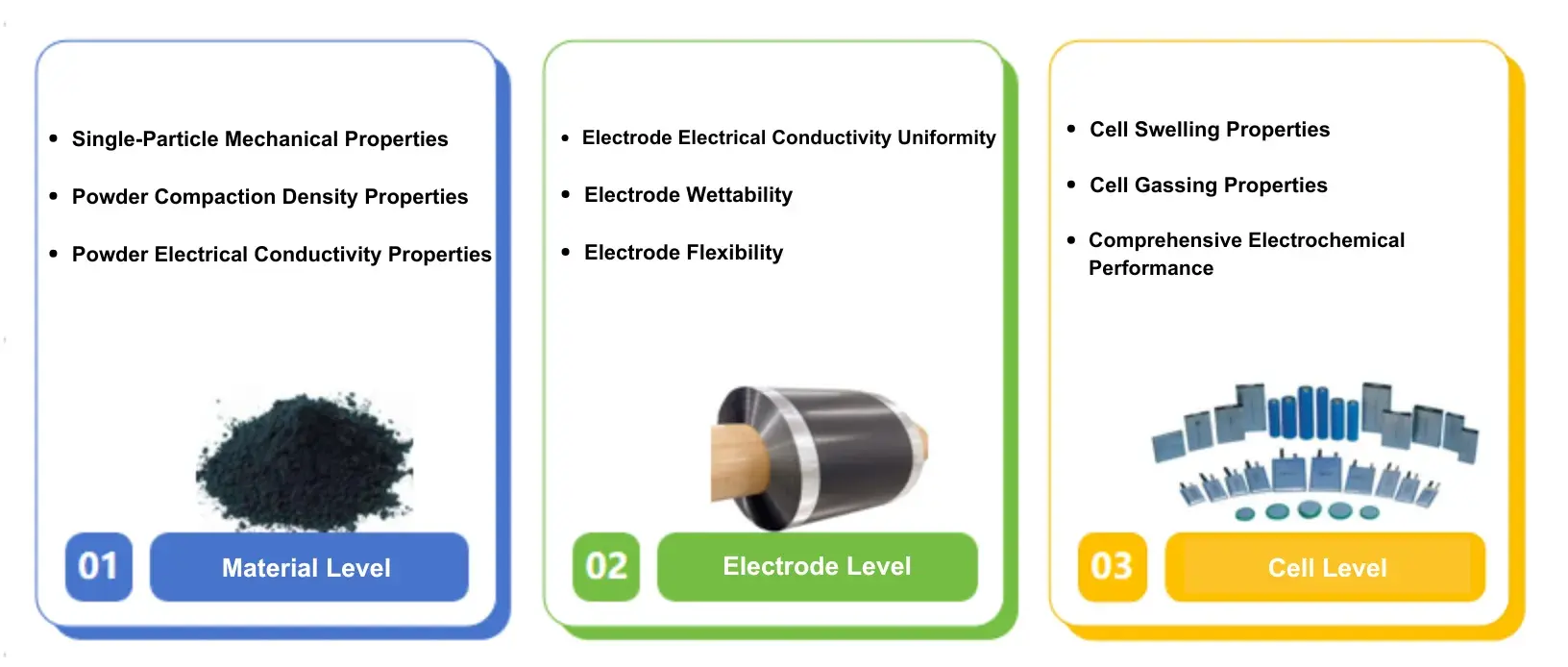
Figure 3. IEST Instrument‘s specialized testing solutions for power and energy storage battery characterization.
5. Summary
Power batteries are designed to “run fast and charge fast,” while energy storage batteries are built to “run long and operate stably.” Therefore, when selecting or developing cells for specific applications, it is insufficient to rely solely on single-cell data. Engineers and project teams must prioritize module- and battery-cluster-level system verification, ensuring alignment with the dedicated standards that match each application scenario’s unique requirements.
Optimize Your Battery Testing Strategy with IEST Instrument
IEST Instrument’s testing solutions cover the full spectrum — from powder resistivity and electrode resistance to in-situ swelling and gas evolution — supporting both power and energy storage battery development under the respective GB/T standards.
6. References
[1] State Administration for Market Regulation, Standardization Administration of China. Electric vehicles — Performance requirements and test methods for traction batteries (GB/T 31486-2024).
[2] State Administration for Market Regulation, Standardization Administration of China. Lithium-ion batteries for electrical energy storage — Performance and test methods (GB/T 36276-2023).
[3] catl.com
[4] Liu, Y., et al. (2022). Key challenges for grid‑scale lithium‑ion battery energy storage. Advanced Energy Materials, 12(48), 2202197.
7. FAQs
7.1 What is the difference between power battery and energy storage battery testing standards?
Power battery testing (GB/T 31486-2024) focuses on constant current capacity, fast charge, and low-temperature performance. Energy storage battery testing (GB/T 36276-2023) emphasizes constant power energy efficiency, high-temperature stability, and 45°C cycle life (1000 cycles minimum).
7.2 Why is LFP preferred for energy storage batteries over NCM?
LFP offers a flat voltage plateau, excellent thermal stability, and long cycle life (2000+ cycles), making it ideal for frequent deep cycling in ESS applications. NCM provides higher energy density but is more costly and has shorter cycle life.
7.3 What is the typical SOC operating window for power vs. energy storage batteries?
For power batteries (EVs), the recommended SOC window is 10%–80% to maximize cycle life and avoid deep discharge. For energy storage, the window is wider at 20%–90%, reflecting the need for frequent deep cycling in grid applications.
7.4 What is the difference between constant current and constant power testing?
Constant current (CC) testing holds current fixed — used for capacity and rate capability measurement. Constant power (CP) testing holds power fixed — used for energy efficiency evaluation, which is more representative of real-world ESS operation.
7.5 How does IEST Instrument support both EV and ESS battery development?
IEST Instrument provides multi-scale testing solutions spanning Material Level (powder compaction density, single-particle mechanical testing), Electrode Level (BER electrode resistance uniformity, wettability), and Cell Level (SWE in-situ swelling analyzer, GVS in-situ gassing analyzer) to characterize mechanical degradation and internal gas generation under both dynamic automotive and long-duration stationary cycling.