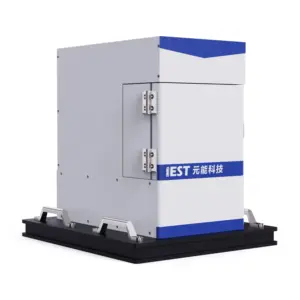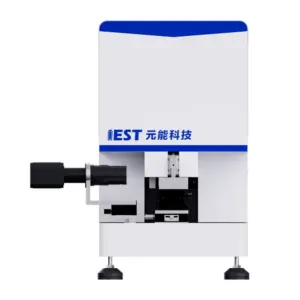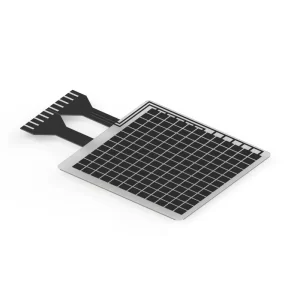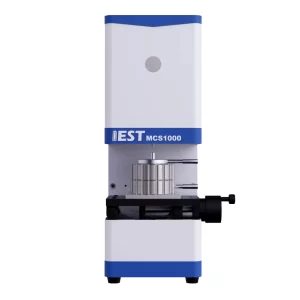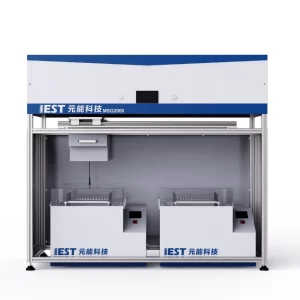
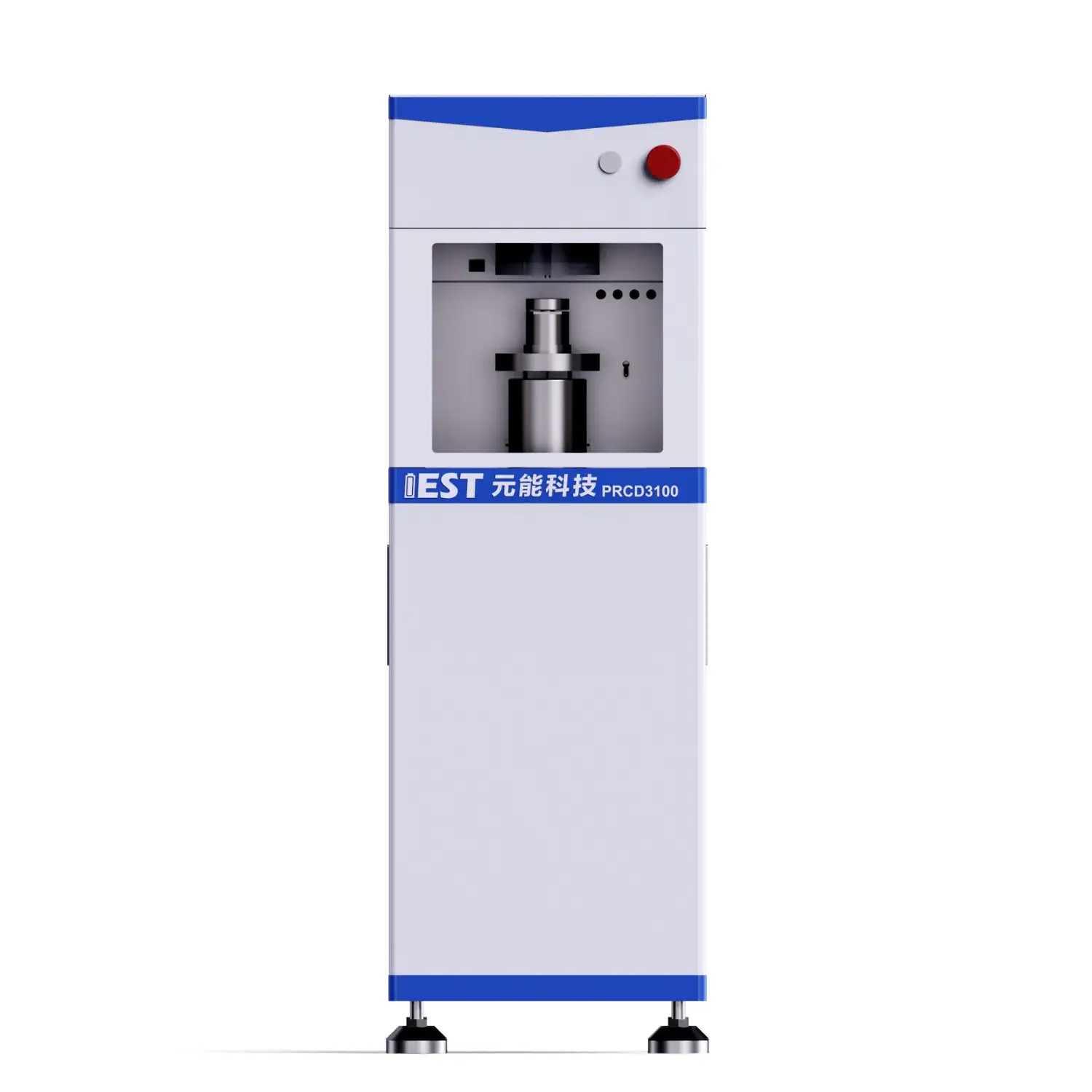
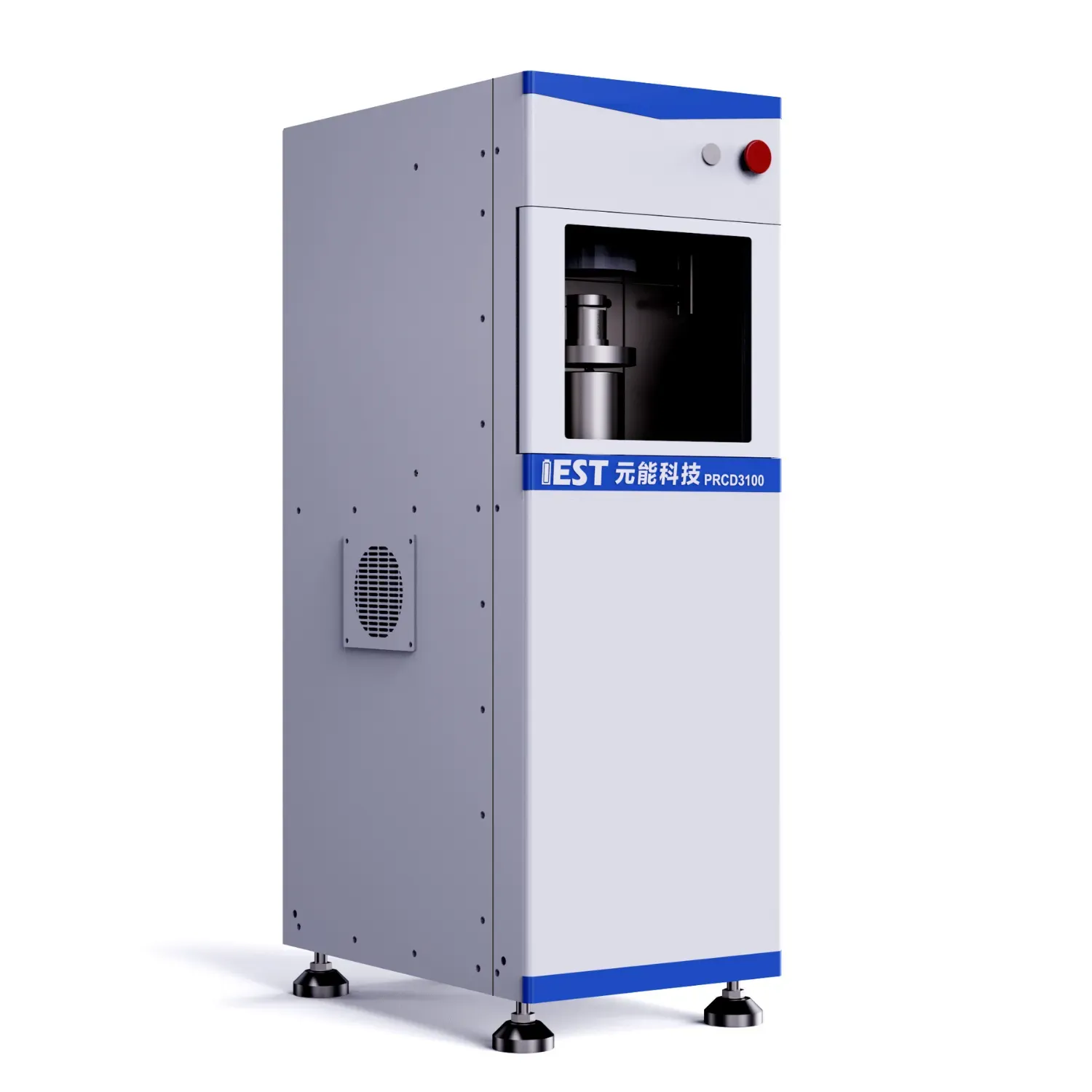
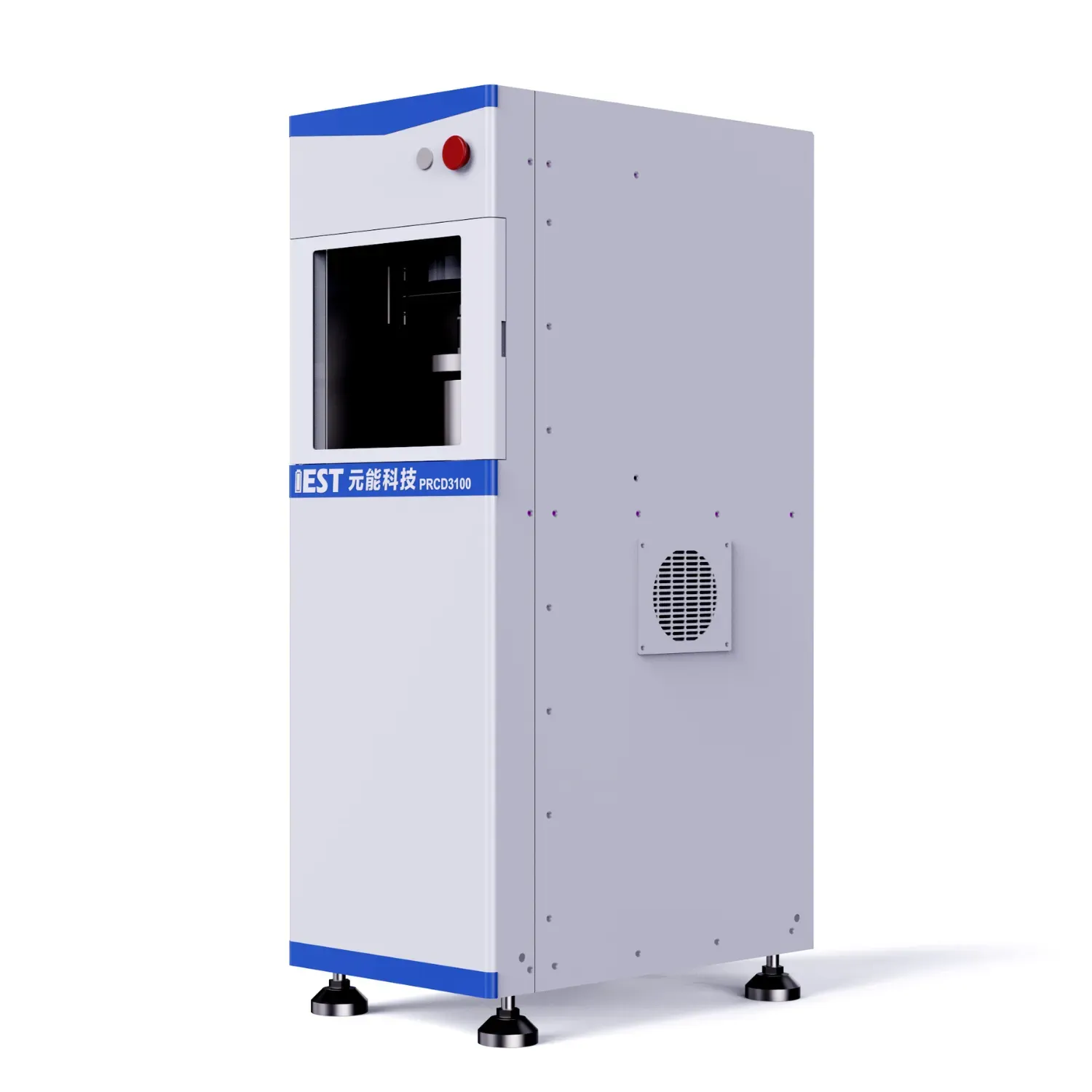
Description
1. The Significance of Powder Resistivity Measurement System
The rate capability of lithium-ion batteries is closely related to their internal resistance, which consists of ionic resistance and electronic resistance. Ionic resistance primarily includes the resistance to lithium-ion transport through the electrolyte within electrode pores, the resistance due to ion migration through the SEI film, the charge transfer resistance at the active material/SEI interface where ions and electrons interact, and the solid-state diffusion resistance of lithium ions within the active material. Electronic resistance, on the other hand, mainly comprises the resistance of the active materials in the cathode and anode, the current collectors, the contact resistance between active material particles, the interfacial resistance between active materials and current collectors, as well as the resistance from tab welding.
In practical battery development and manufacturing processes, ionic resistance must be evaluated at the finished cell level, whereas electronic resistance can be rapidly assessed at the material and electrode sheet stages. Therefore, accurate evaluation of electronic resistance in materials and electrodes—for instance, via a powder resistivity measurement system—is highly significant for predicting the overall resistance of the final battery cell.
2. Instrument Principles
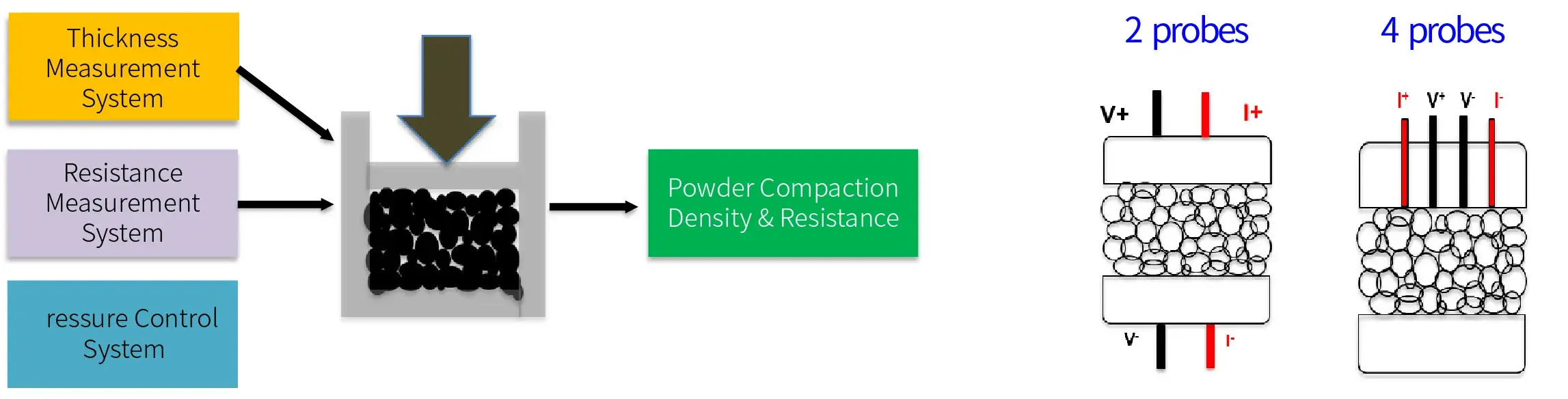
2.1 Test Methods
Put a certain amount of powder (1~2g) into the mold and vibrate it, put the mold into the instrument boxset the pressure (<200MPa) and the holding time, and start testing the thickness and resistance changes of the powdeiduring the compression process.
2.2 Test Parameters
Stress, pressure, thickness, resistance, resistivity, conductivity, & compaction density.
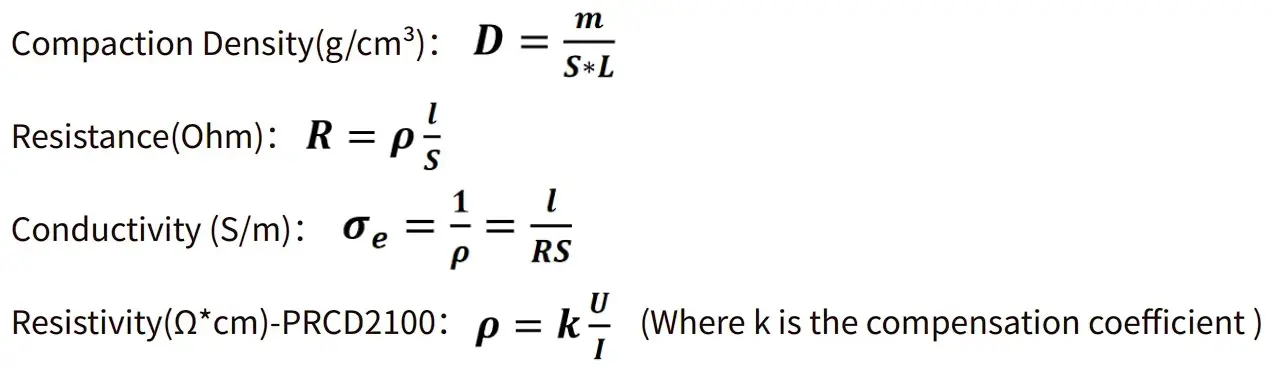
2.3 Calculation Formula
3. Why Is High Pressure Required for Powder Resistivity Measurement?
Result Analysis
-
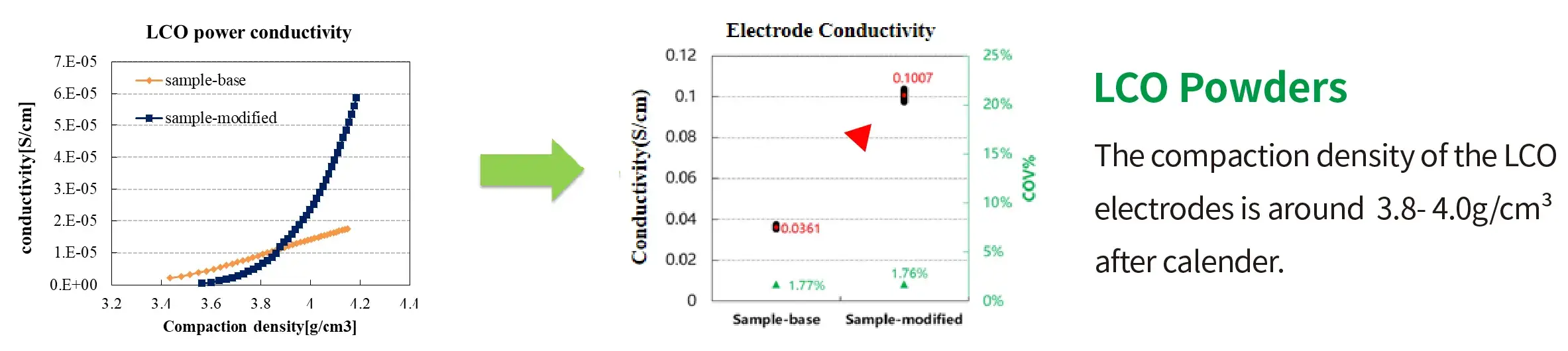
For the modified powder sample, when the compaction density is below ~3.87 g/cm³ (pressure < 75 MPa), its electrical conductivity is lower than before modification. However, when the compaction density exceeds ~3.87 g/cm³ (pressure > 75 MPa), the conductivity of the modified powder surpasses that of the unmodified sample and increases rapidly as compaction density rises, demonstrating significantly enhanced electrical conductivity performance.
-
When fabricated into an electrode, the compaction density typically exceeds 4.0 g/cm³. At this compaction density, the electrical conductivity trend of the powder before and after modification aligns consistently with the conductivity trend observed in the electrode.
Conclusion: During powder electrical conductivity testing, the compaction density of the powder should closely match that of the actual electrode to effectively evaluate conductivity improvements in real electrode applications. Therefore, high pressure must be applied during the testing process.
4. Features
- High accuracy pressure system : Driven by servo motor.
- High accuracy displacement sensor : Precisely measure the variation of thickness.
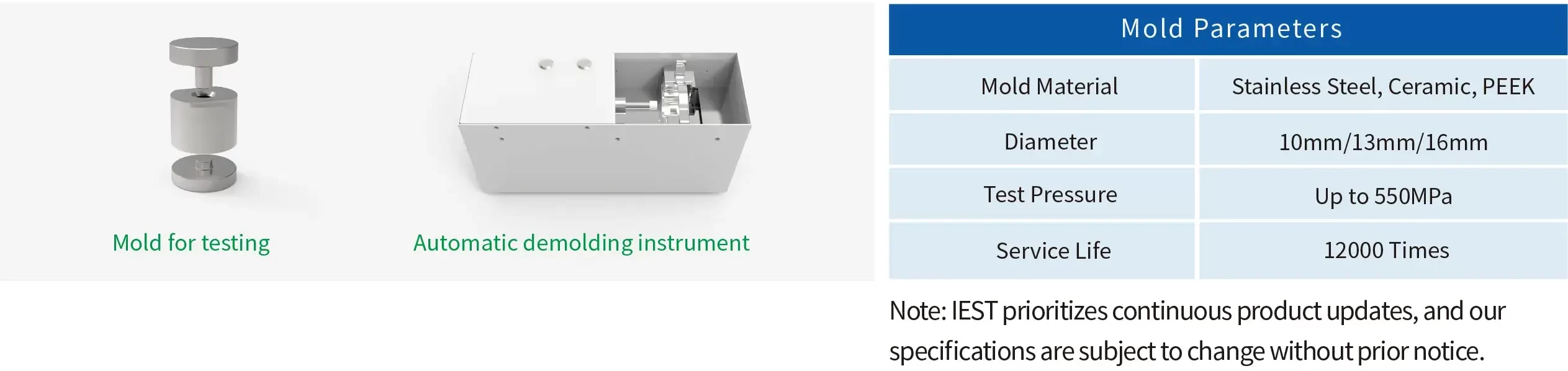
- Specific clamp for resistivity & Compact density test of powder samples : Simplify the process of the powder loading and cleaning.
- Multi-functions : One-stop data collection of key parameters of pressure, resistance, thickness, temperature and humidity with high reliability, to provide a complete traceability for each result.
- Automatic measurement : Providing flexible measurement modes for different kinds of samples, and all the process parameter setting are integrated into a simple software control interface, with one-button to start a measurement
- Integrated design :Integration of control and measurement systems for pressure, resistivity and thickness control and measurement systems.
5. PRCD Software:
- Pressure can be set willfully within the extent of max pressure.
- The resistivity under different pressure can be measured in succession with controllable rate and interval of pressure scan.
- Different data analysis curves can be generated, including resistivity-pressure curve, resistivity-thickness curve, Compact density-pressure curve, and pressure-thickness curve.
- Two resistance data collection modes: interval time mode or automatic steady state condition determine mode.
- Data statistical analysis functions.
- Automatic generation of reports with the value of resistivity (or conductivity) and Compact density.
6. Applictions
Applications
1. Resistivity & Compaction Density of Common Cathode Powders
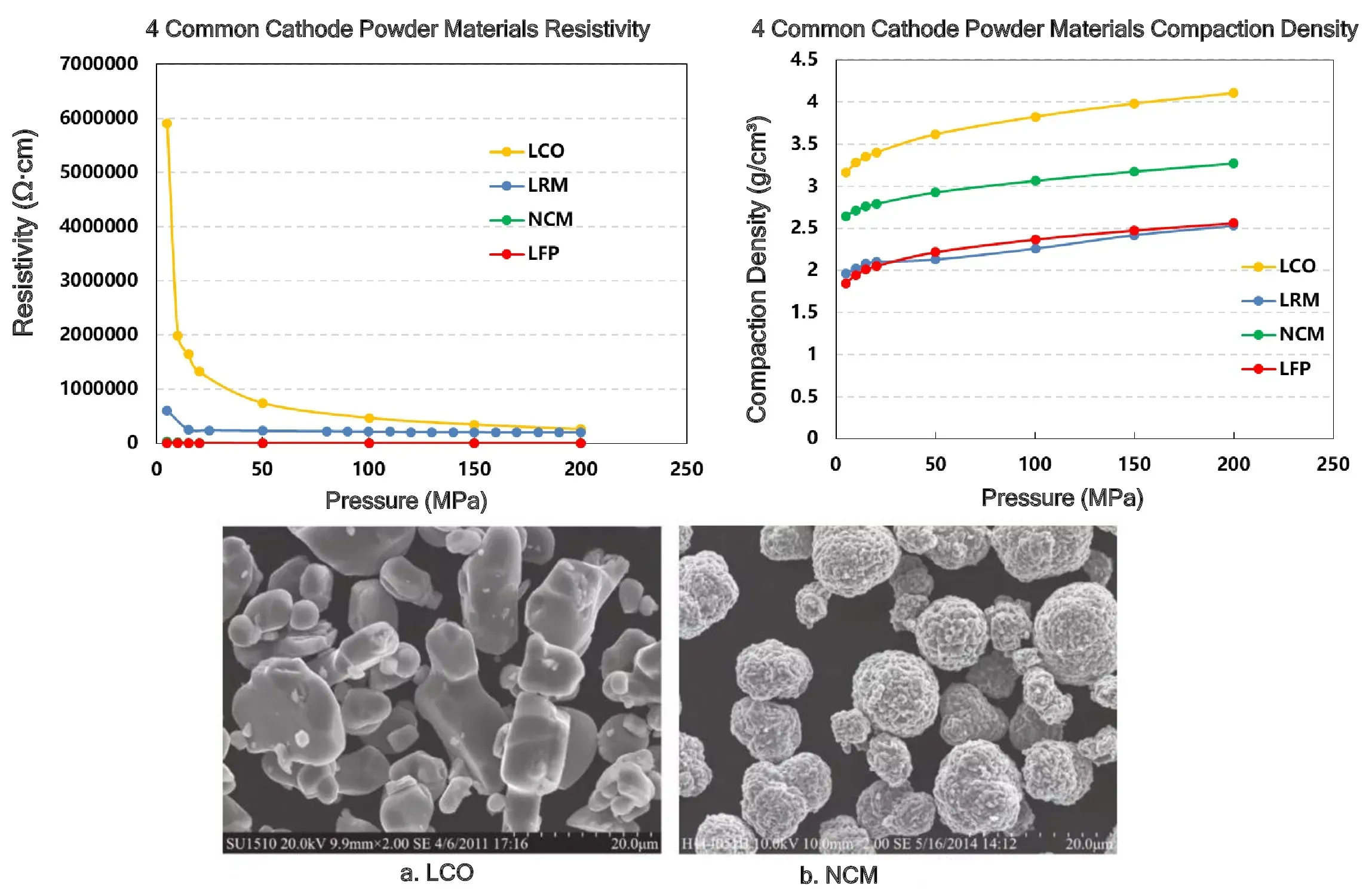
At the same pressure:
- Resistivity: LCO > LRM > NCM > LFP
- Compaction Density: LCO > NCM > LFP ≈ LRM
2. Cathode Maerials: LMFP
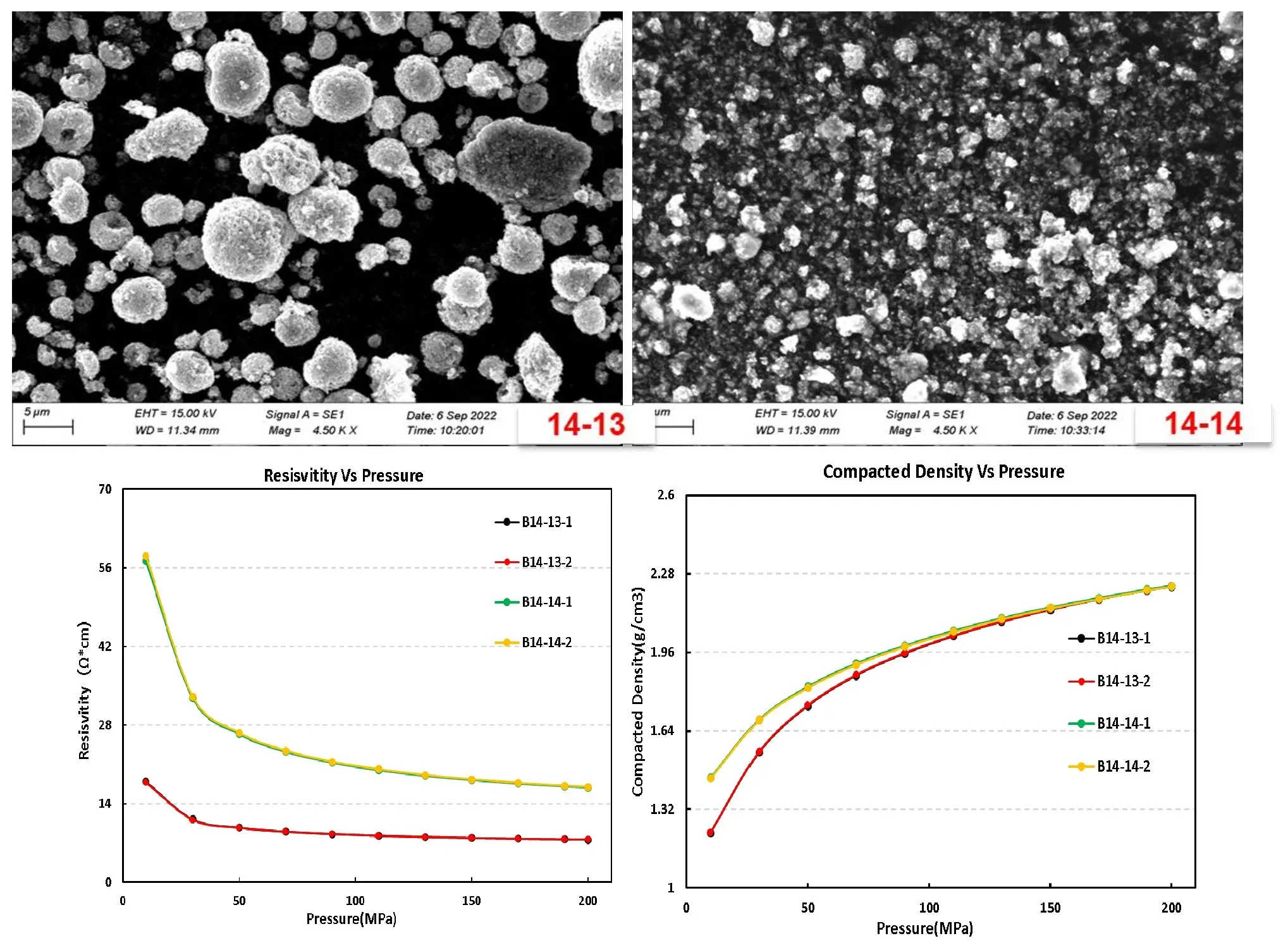
-
Electrical Conductivity (B14-13 > B14-14): Combined with SEM image analysis, this is primarily attributed to fine particles in B14-13 filling the voids between larger particles more effectively throughout compression. This results in lower overall porosity, superior inter-particle contact, and enhanced electrical conductivity.
- Compaction Density: Under high-pressure conditions, the difference in compaction density between the two samples is negligible. However, under low-pressure conditions, B14-13 exhibits lower compaction density. This is mainly because samples with a broader particle size distribution suffer from poorer flowability and particle rearrangement effects, leading to relatively higher porosity and lower compaction density at low pressure.
3. Lithium-rich Materials(LRM) Under Variable Pressure Mode
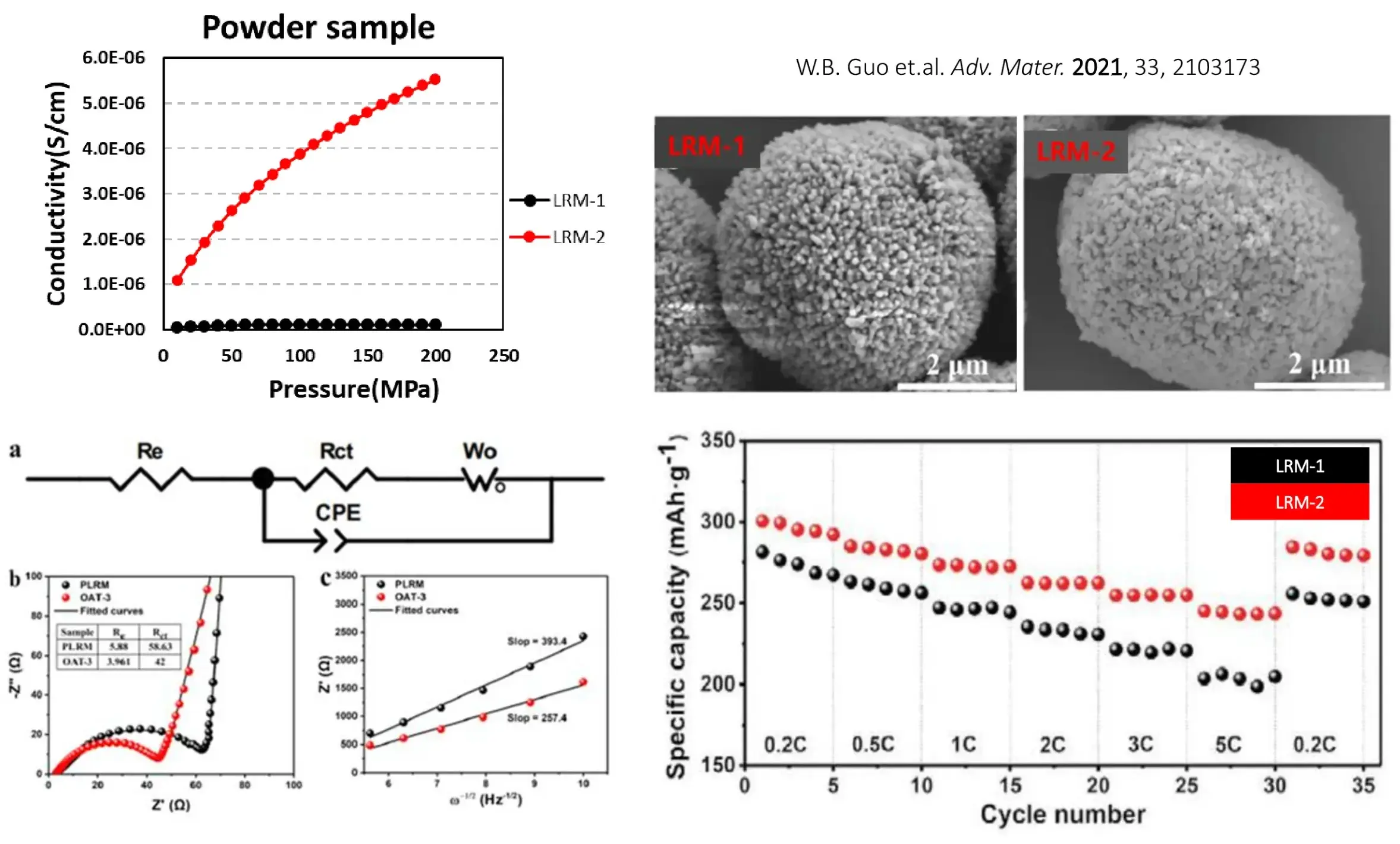
- Analysis of the merits and Limitations of modification approaches for lithium-rich materials.
- The resistivity of lithium-rich materials can be reduced by regulating the surface structure.
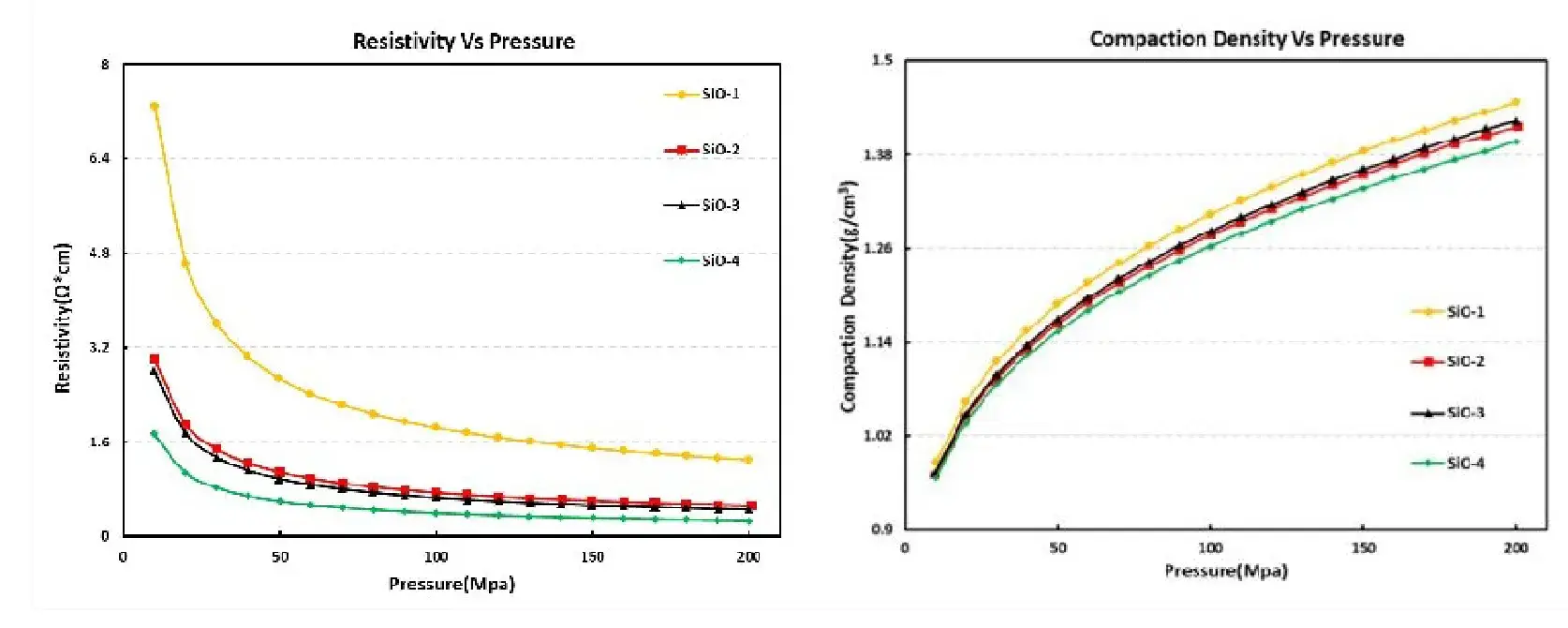
4. Silicon-based Materials
The analysis of differences in materials under different mixing ratios and modification process conditions provides a new approach and direction for material modification and differential analysis evaluation.
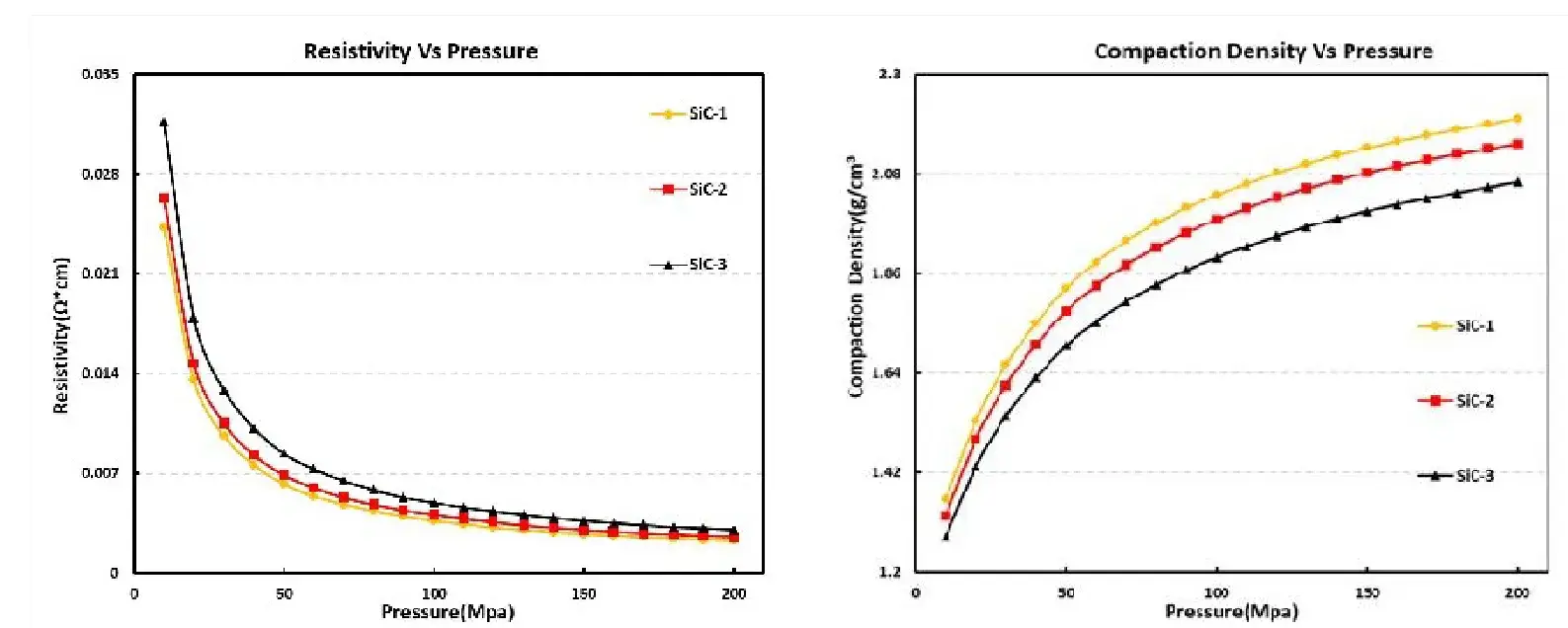
Test Condition: Si content: 3%, 6% and 10%(SiC-1/Sic-2/sic-3)
Materials: Si0-1< Si0-2<Si0-3<Si0-4
Conclusion:
- Resistivity: Sic-1< Sic-2< SiC-3
- Compaction density: Sic-1>SiC-2> Sic-3
Test condition: Sintering temperature of SiO
Materials: Si0-1< Si0-2<Si0-3<Si0-4
Conclusion:
- Resistivity: Sio-1>Si0-2>Si0-3> Si0-4
- Compaction density: Sio-1>Si0-2>Si0-3>Si0-4
5. Sodium-Ion Battery Cathode & Anode Materials
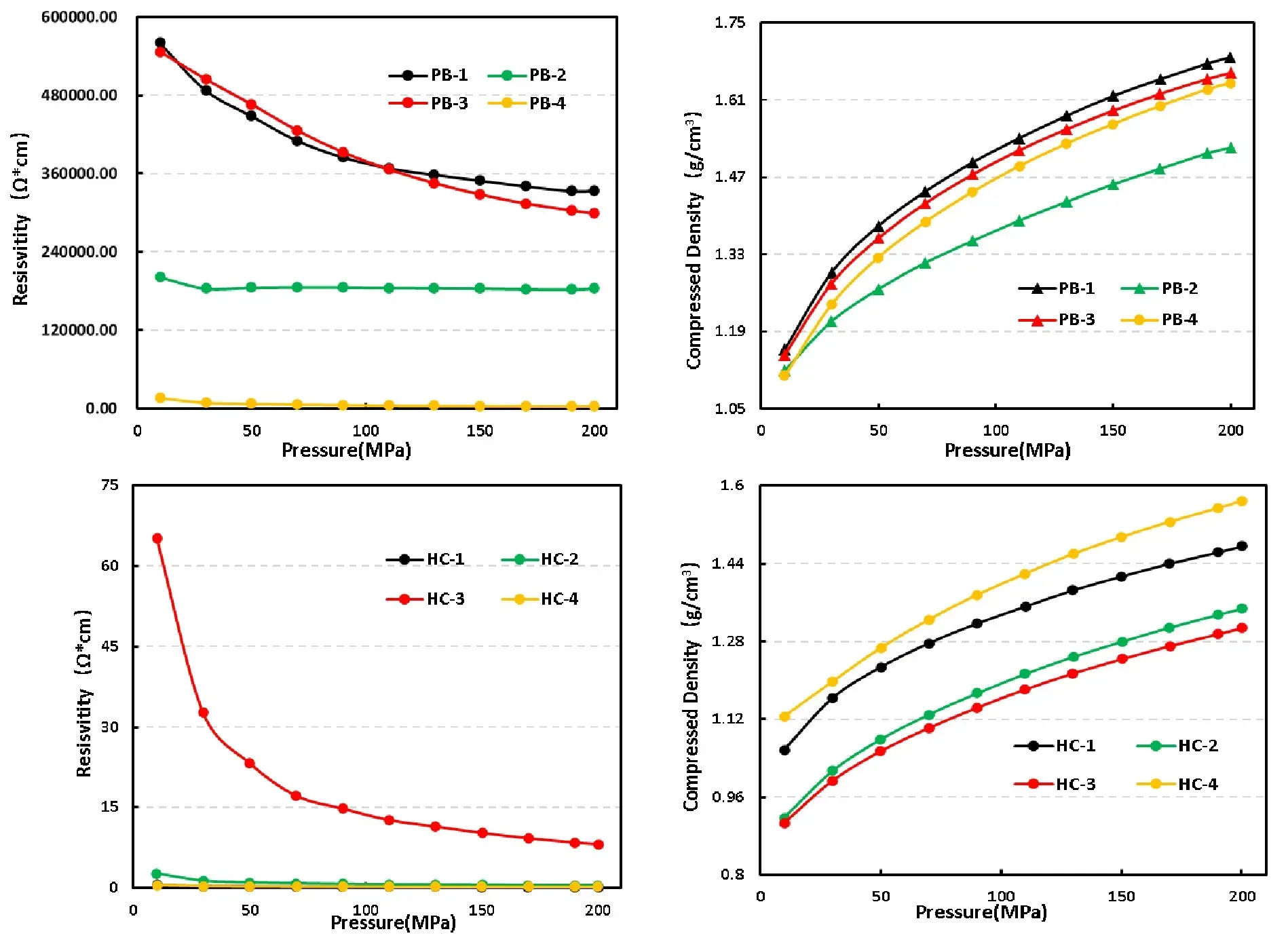
Powder Conductivity Evaluation for Sodium-Ion Cathode & Anode Materials: Effectively evaluating the electrical conductivity and compaction performance of Prussian blue and hard carbon under various modification conditions.
6. Anode Materials and Conductive Agents
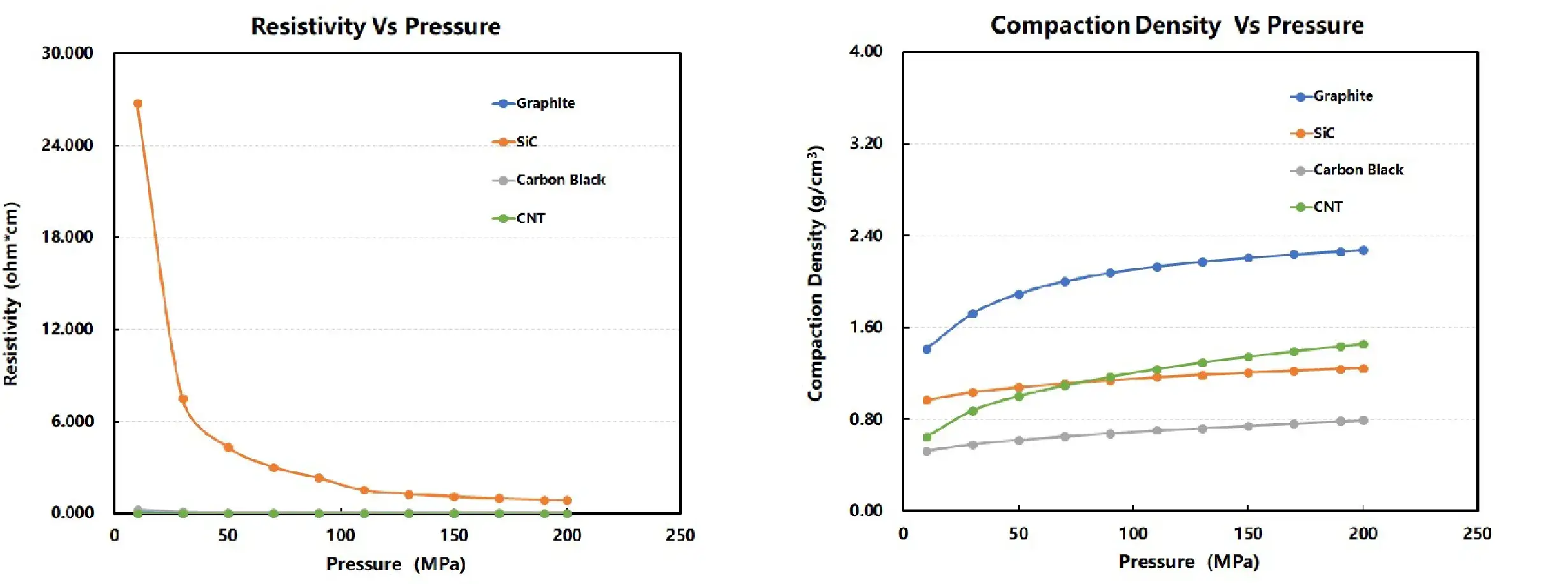
Powder Resistivity & Compaction Density of Common Anode Materials & Conductive Additives: Statistically significant differentiation exists in both powder resistivity and compaction density across various types of anode materials and conductive additives.
7. Compressive Properties of Lithium Cobalt Oxide (LCO) Materials
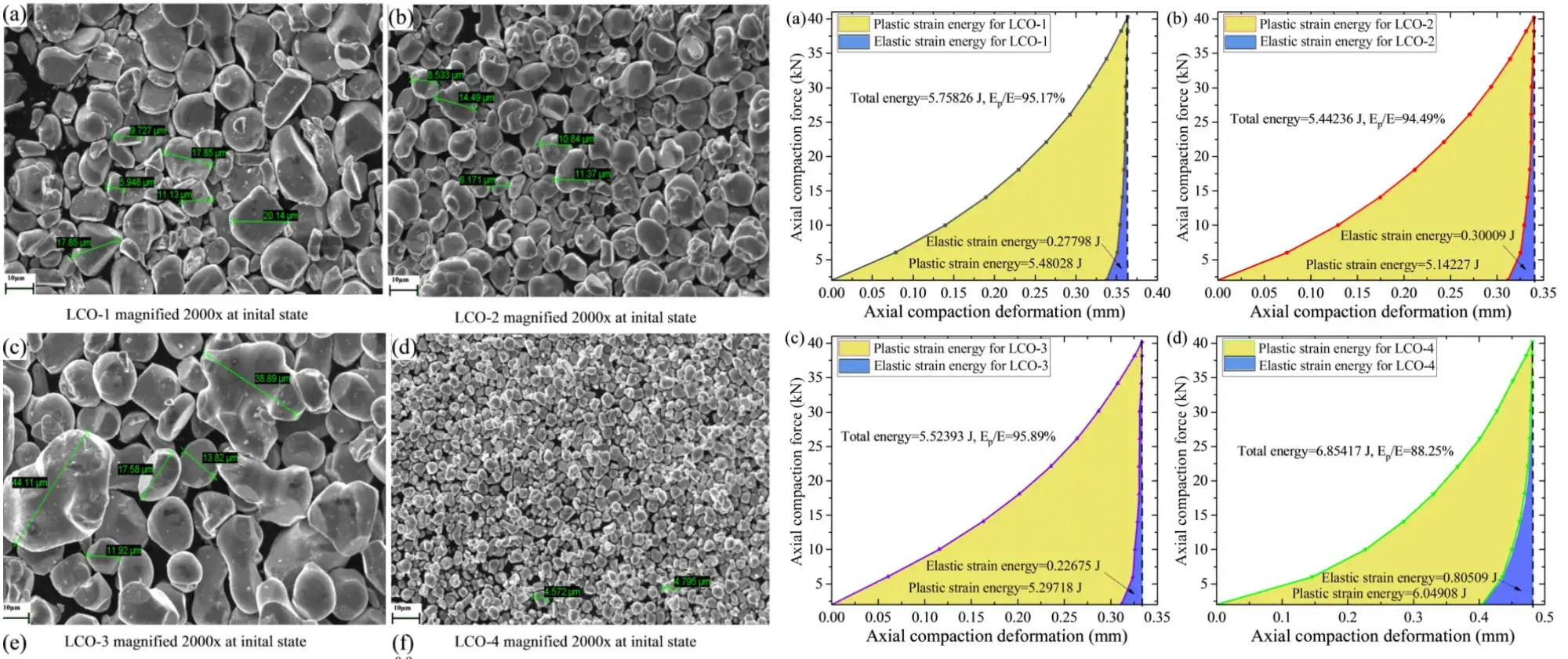
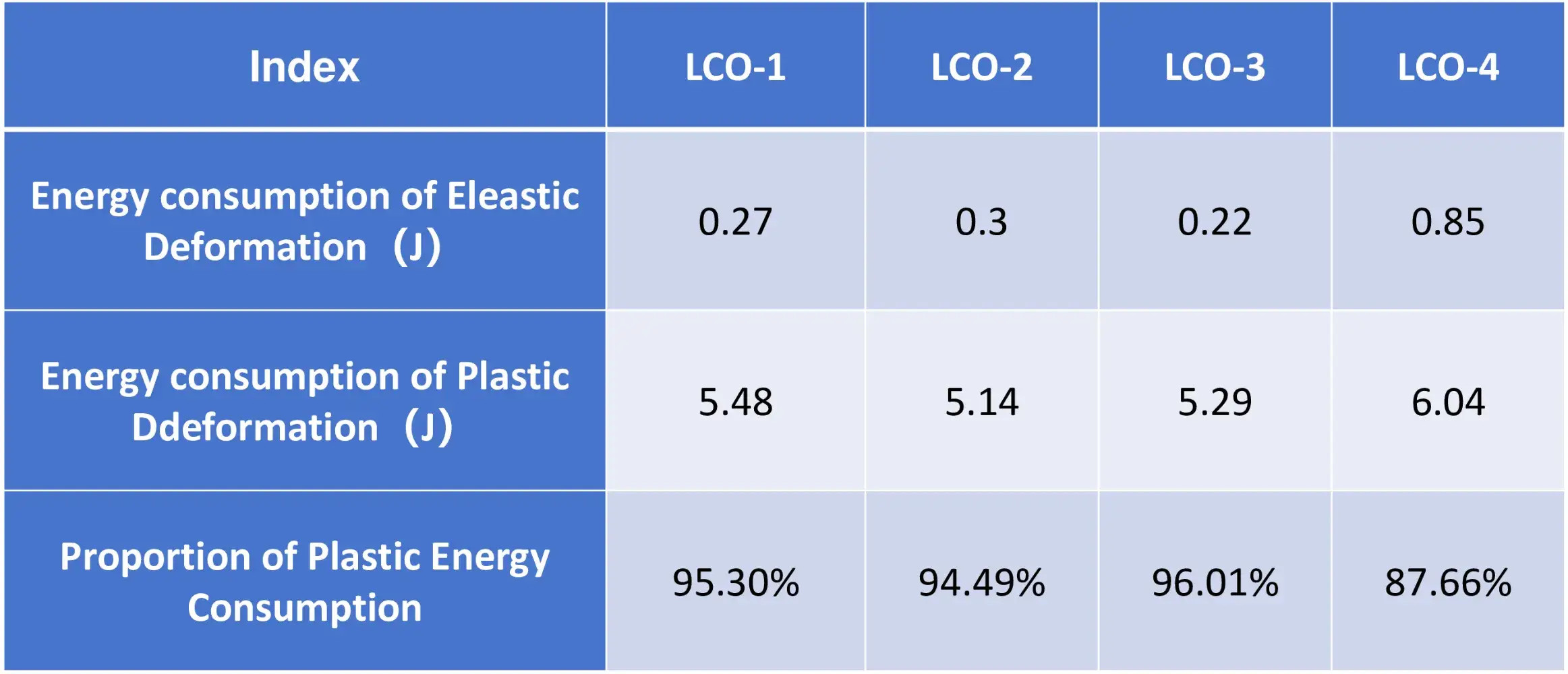
LCO Particle Size:
- LCO-1: 5μm-30μm
- LCO-2: 5μm-15μm
- LCO-3: 10μm-45μm
- LCO-4: 5μm
- During the compaction, plastic deformation typically accounts for approximately 90% of the total deformation.
- Powders of smaller particle size(LCO-4) exhibit a more noticeable reboundness, and its proportion of Plastic energy consumption is relatively lower as well.
8. Compressive Properties of Carbon Materials
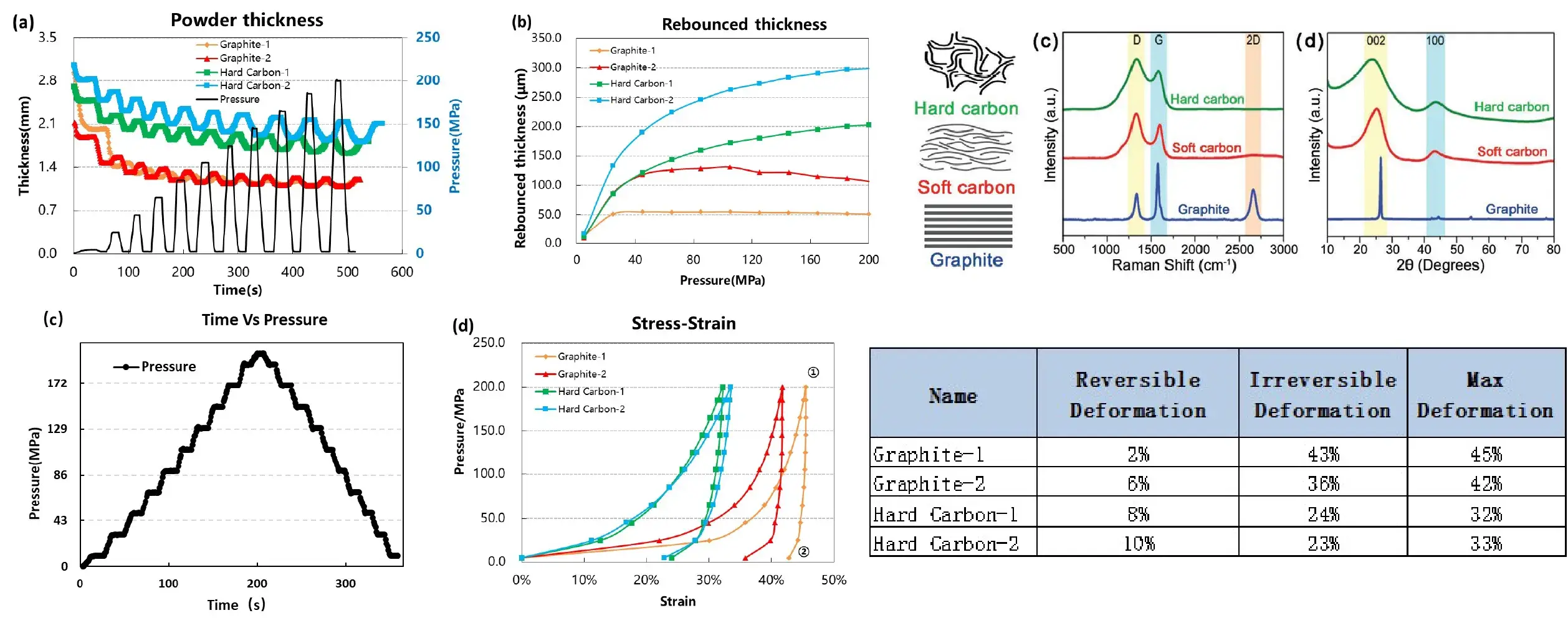
Analysis of Material Springback Intensity: Graphite exhibits greater compression displacement than hard carbon, and its compressibility at the particle level is higher than that of hard carbon, which is primarily attributed to the microstructural differences between the two materials.
Video
Specifications
| Model | PRCD1000 | PRCD2000 | PRCD3000 | PRCD1100 | PRCD2100 | PRCD3100 |
|---|---|---|---|---|---|---|
| Stress & Pressure | Stress up to 1T & Pressure 70 MPa | Stress up to 5T & Pressure 350 MPa | ||||
| Test Principle | 2-probe | 4-probe | 2probe & 4probe | 2-probe | 4-probe | 2probe & 4probe |
| Applicable Samples | Cathode Samples | Anode Samples | Anode & Cathode Samples | Cathode Samples | Anode Samples | Anode & Cathode Samples |
| Resistance Range | 1 μΩ ~ 20MΩ | 1 μΩ ~ 1200MΩ | 1 μΩ ~ 200MΩ | |||
| Sensor Resolution & Accuracy | • Thickness Sensor: Resolution 0.5 μm, Accuracy ±10 μm • Stress Sensor: Resolution 0.1 KG, Accuracy ±0.3% F.S. • Resistance Sensor: Resolution 0.1 μΩ, Accuracy ±0.1% F.S. |
|||||
| Test Parameters | Thickness, Compaction Density · Resistance, Resistivity, Conductivity · Stress, Pressure · Temperature & Humidity | |||||
| Other Specifications |
|
|
||||
| Test Modes & Functions |
|
|||||