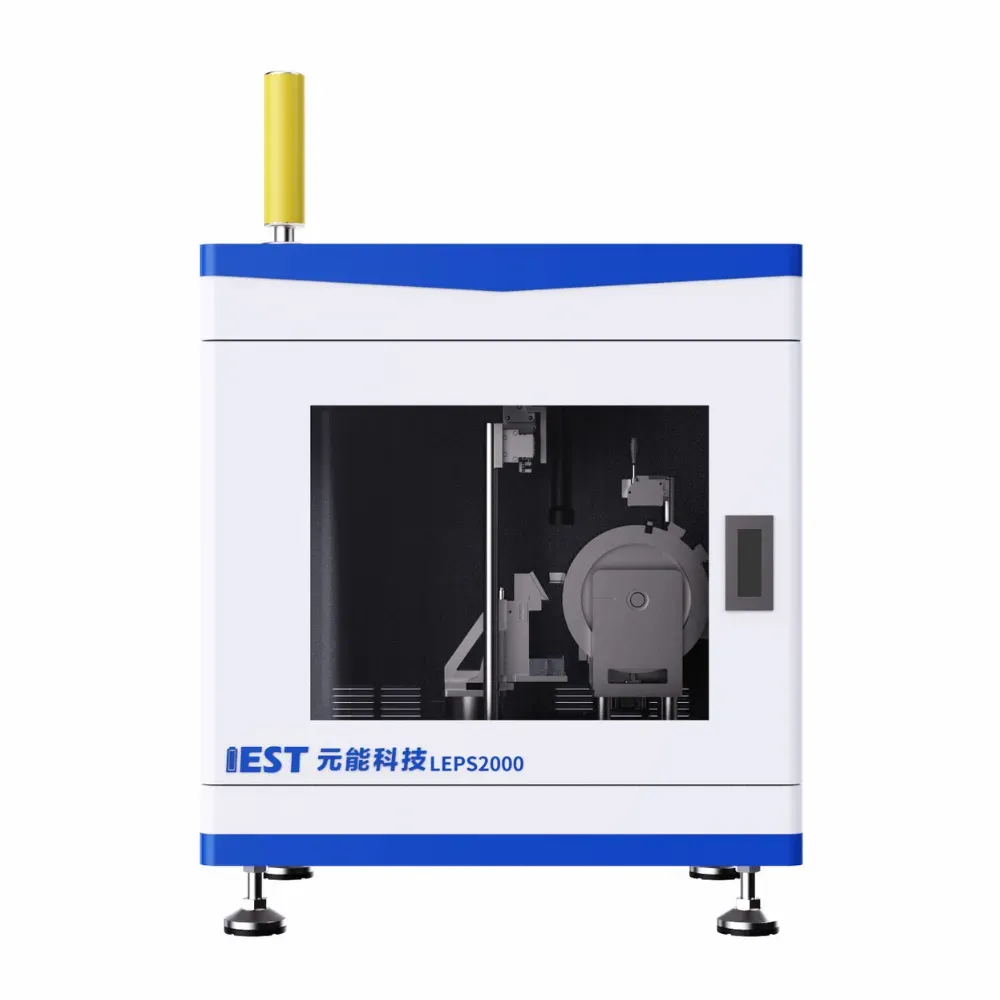
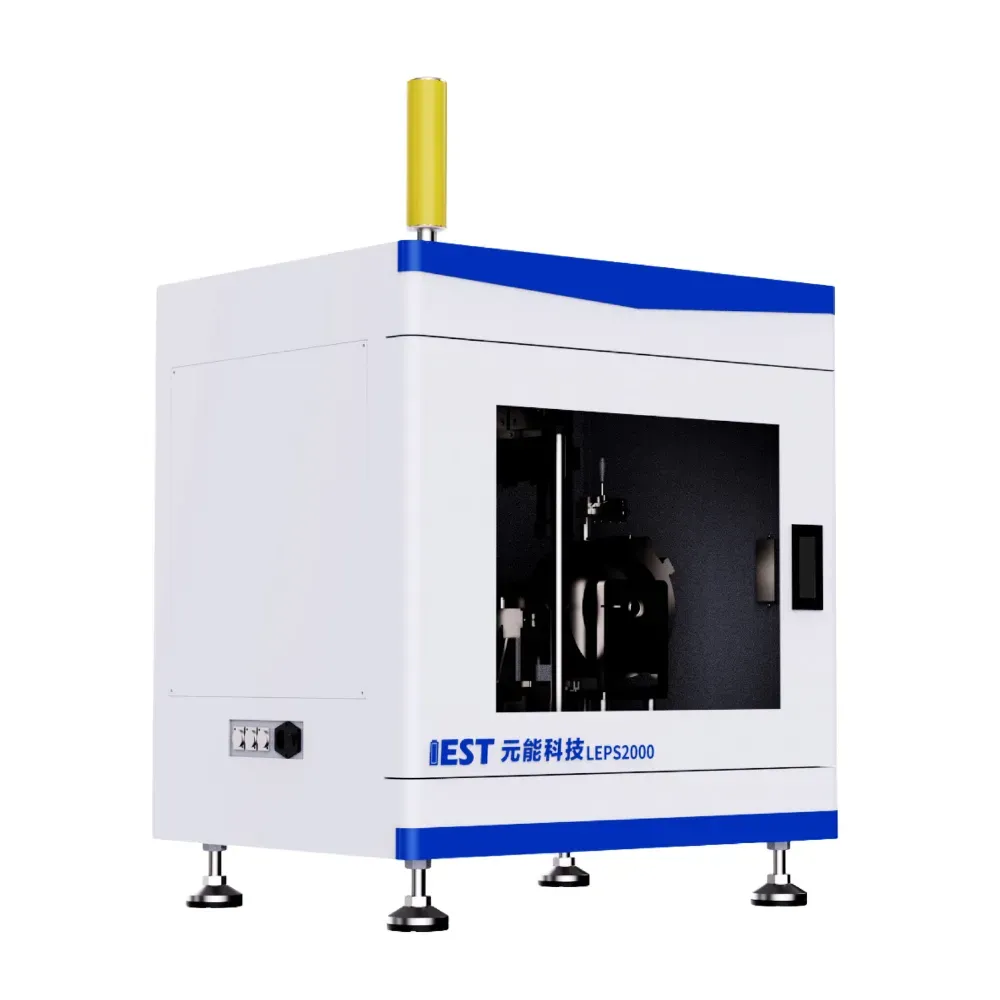
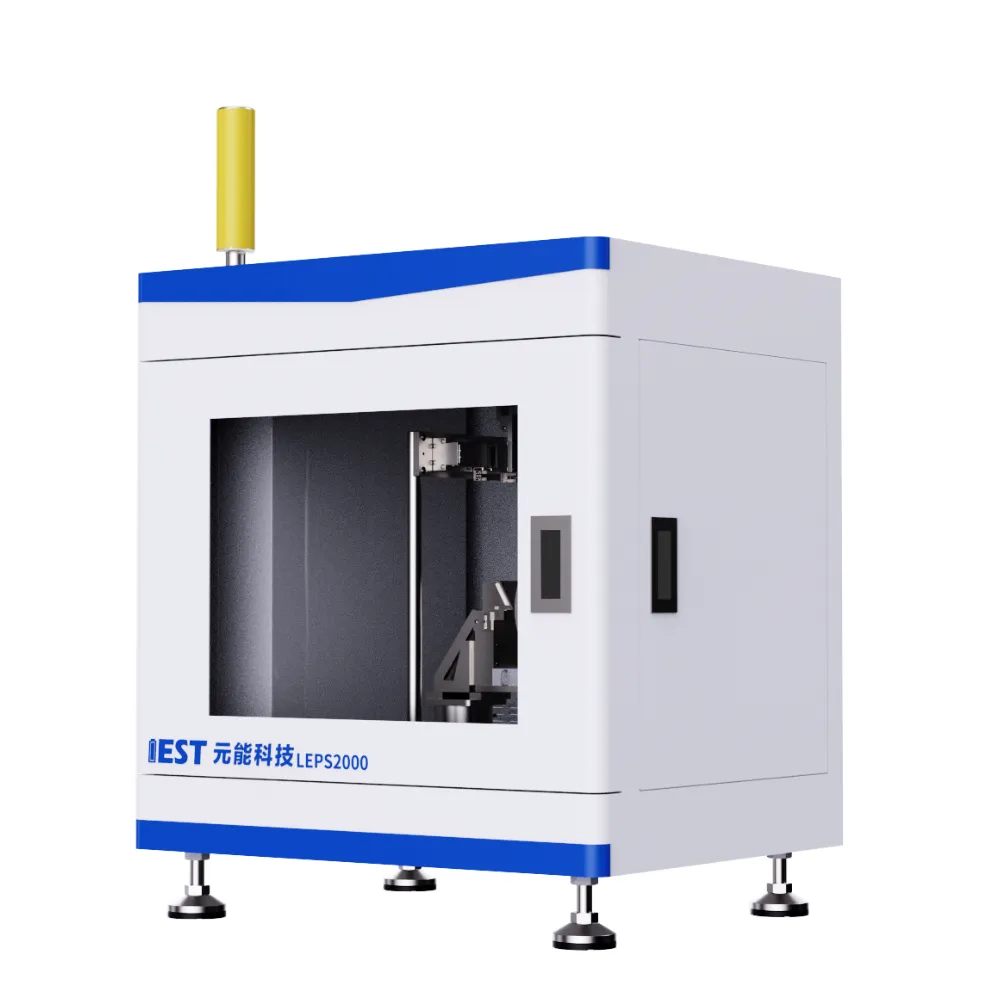
Description
1. Introduction
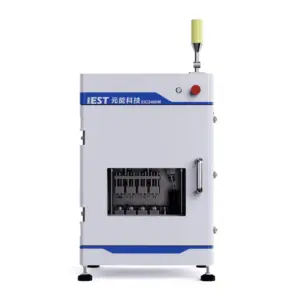
The LEPS Series Automatic Electrode Powder Scraper is a precision sampling instrument designed for lithium-ion battery electrode quality control and process validation. Leveraging micron-level layered scraping technology, the system enables accurate, reproducible delamination of electrode coatings at controlled depths and specific locations across the electrode sheet. By extracting structured powder samples from different coating depths and lateral positions, the LEPS series supports comprehensive compositional analysis, binder distribution profiling, and coating uniformity assessment. With automated tool alignment, optional non-contact closed-loop thickness measurement, and high-precision motion control (1 μm resolution), the LEPS platform eliminates the inconsistencies and risks inherent in manual scraping, ensuring traceable, reliable, and analytically meaningful sample preparation for subsequent characterization techniques such as TGA, DSC, SEM, and XRD.
2. Application Scenarios
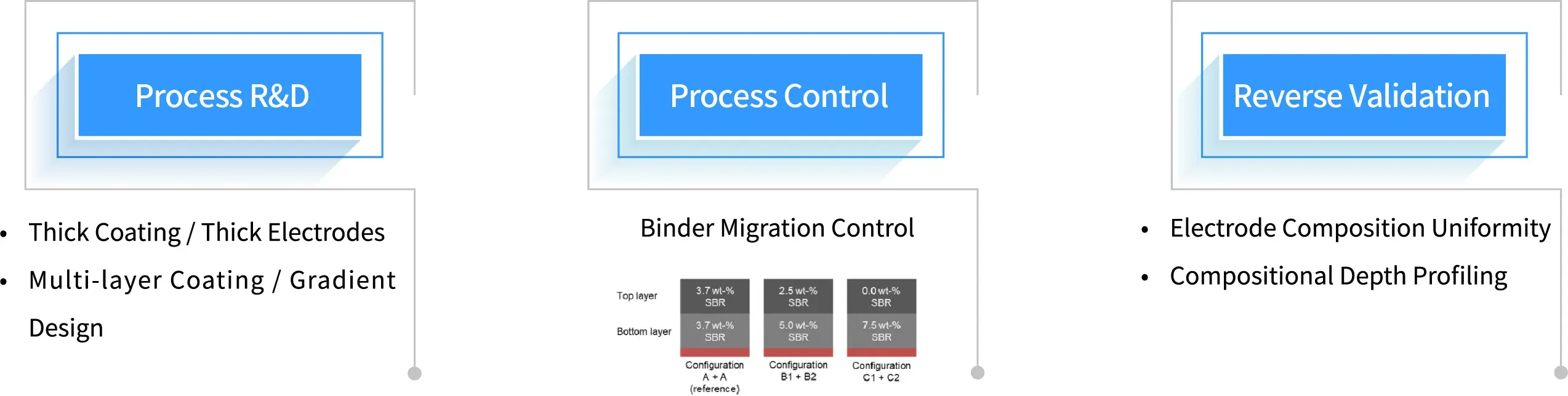
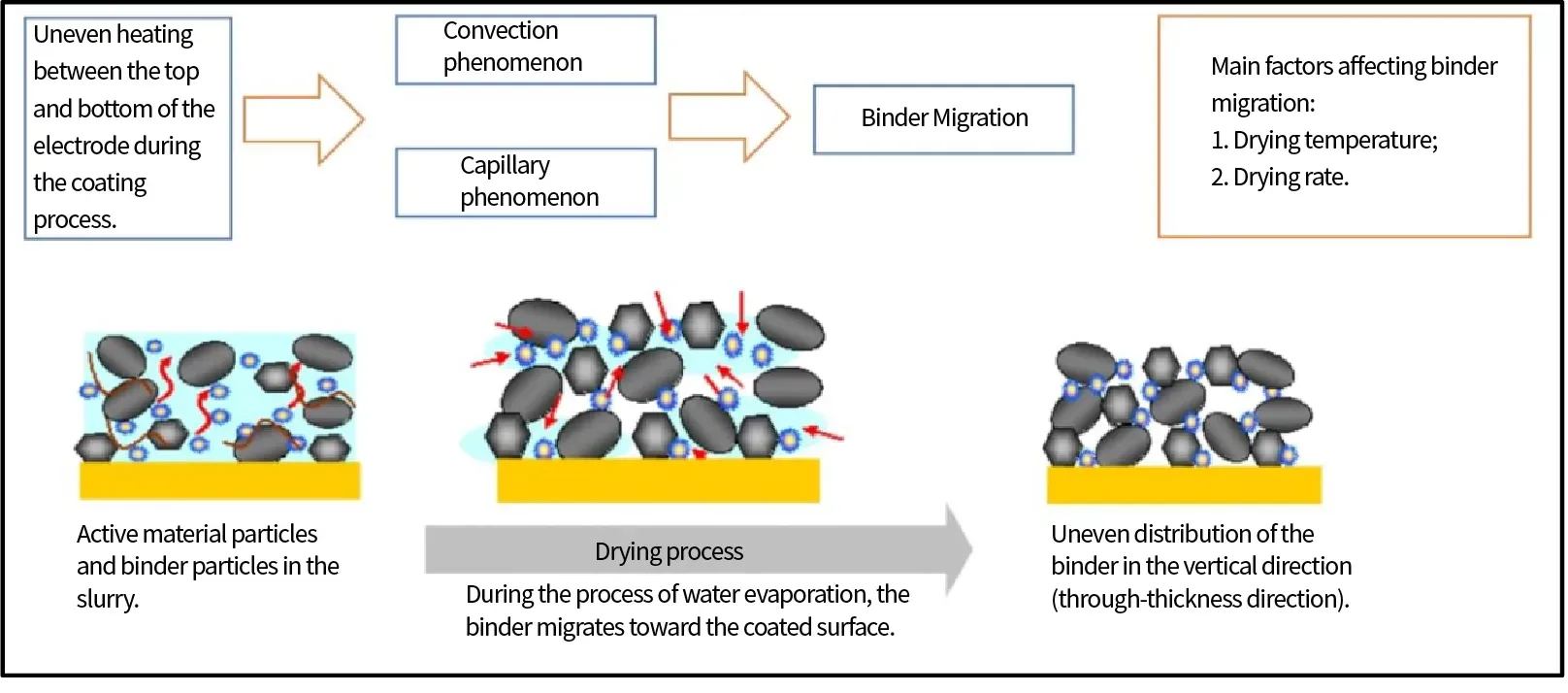
- Optimizing battery performance: Compositional analysis of thick/multi-layer coated electrodes.
- Providing process validation or reverse analysis for overall electrode performance and quality.
- Detecting SBR migration/anomalies as a routine quality control item for electrodes.
3. Conventional Method – Manual Powder Scraping
Process / laboratory personnel scrape the coating powder from the electrode surface using a ceramic blade, followed by thermogravimetric (TG) analysis.
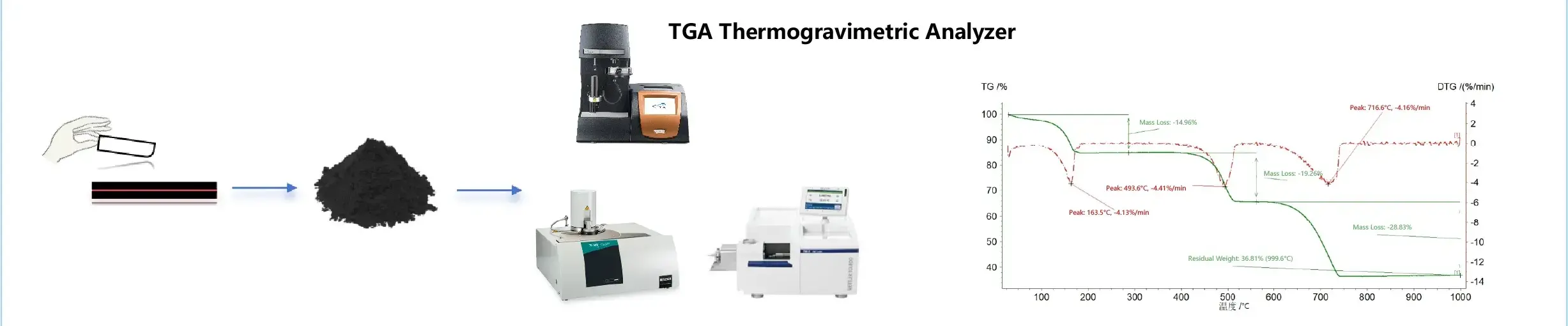
Limitations of Traditional Methods (Manual Scraping & Tape Peeling):
Before automated systems, technicians relied on manual blade scraping or tape peeling to extract electrode powders. However, these manual methods introduce several critical deficiencies that compromise data integrity:
-
Low Efficiency & Labor-Intensive: Manual scraping is highly time-consuming and tedious, severely limiting laboratory throughput and sample preparation speed.
-
Inaccurate Depth Control: It is nearly impossible to precisely control the scraping depth by hand, leading to inaccurate, mixed, or unreliable depth-resolved sample information.
-
Lack of Traceability & Safety Risks: Manual operations are highly dependent on human technique, carry inherent operational risks, and completely lack data or result traceability.
-
Poor Inconsistent Uniformity: Weak scraping consistency between different operators or batches often renders subsequent analytical testing (such as TGA) highly unreliable and scientifically meaningless.
4. IEST’s Innovative Method
-
Vision Module: High-precision vision module enabling fully automatic, fast, and precise blade calibration.
-
Electrode Thickness Measurement Module: Non-contact thickness measurement system enabling closed-loop thickness monitoring.
-
Precision Feed Mechanism: Accuracy up to 1μm; Resolution 0.1μm. Enables precise advancement and meticulous control over scraping depth.
-
Electrode Clamping Module: Constant tension to ensure sample loading consistency.
5. Functional Advantages
-
Precisely scrape coating thicknesses at the micrometer (μm) level.
-
Efficiently and uniformly complete powder sampling.
-
Guarantee the consistency of subsequent analytical testing.
Applications
1. Based on micron-level layered scraping technology, the system precisely delaminates electrode coatings at different depths and across different regions, obtaining structured powder samples.
1.1 Process Validation
Multi-Layer Coating Architecture Validation: As manufacturers adopt co-extrusion multi-layer die coating to optimize energy density, verifying interfacial mixing or compositional integrity becomes vital. The LEPS2000 allows localized compositional analysis to determine whether distinct functional layers maintain their target design boundaries.
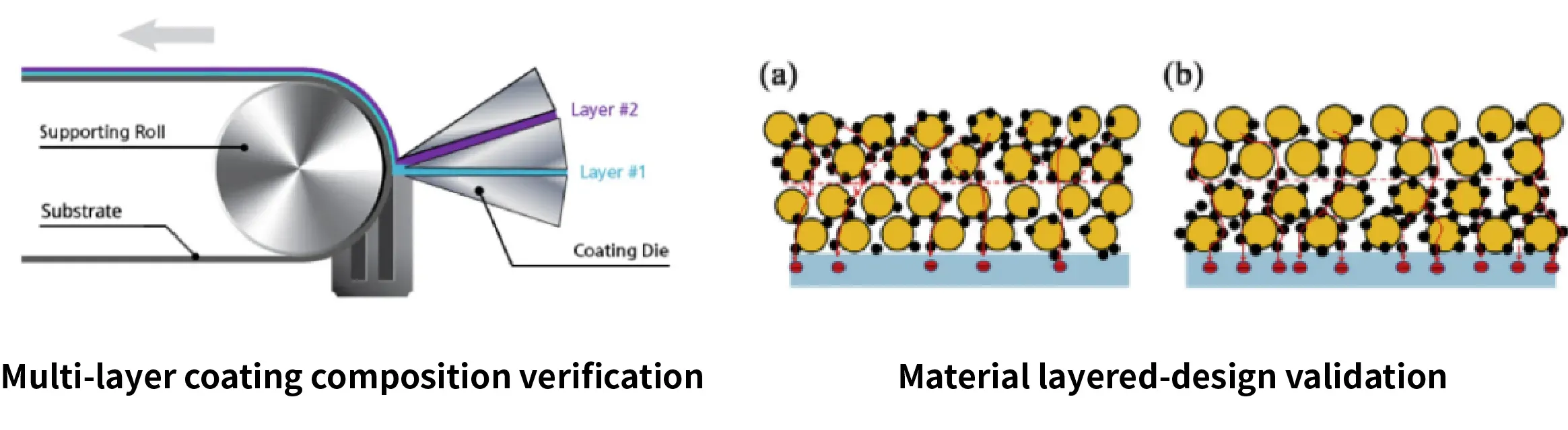
- Scenario: Samples obtained from different coating depths of the electrode are subjected to corresponding characterization techniques to derive compositional and structural information.
1.2 Uniformity Assessment
Stability monitoring of coating &calendering processes across
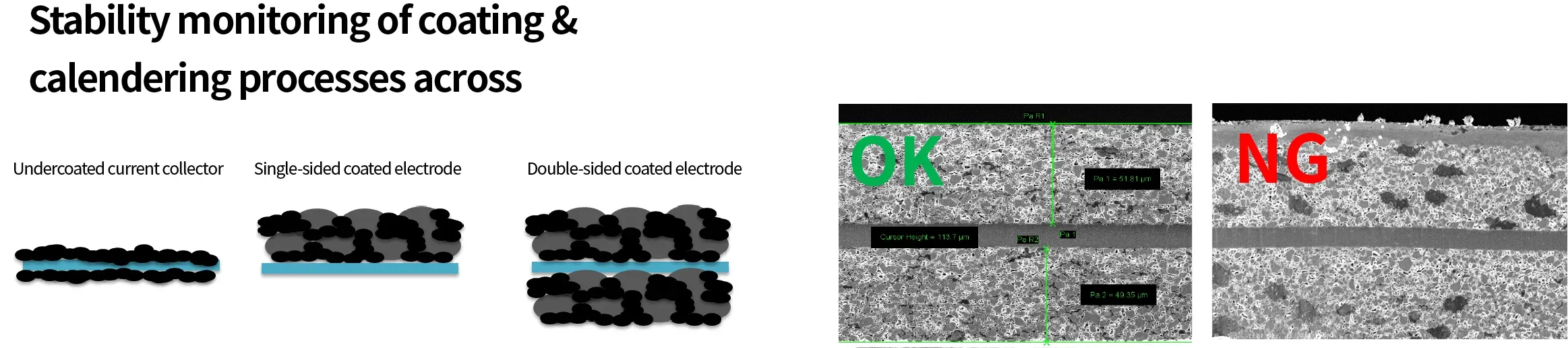
- Scenario: Targeted scraping at predefined lateral and longitudinal positions, followed by compositional analysis, reveals the microscopic coating uniformity and consistency across the electrode sheet.
1.3 SBR Content Quality Control
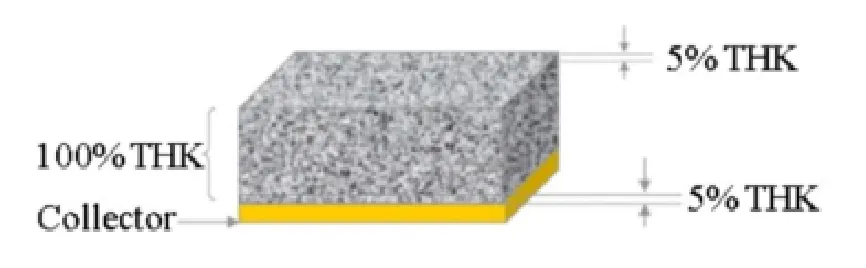
Quantification of SBR/PVDF Stratification: By executing controlled 5 μm or 10 μm serial peeling steps from the surface down to the current collector, engineers can collect isolated powder fractions from precise spatial coordinates. Subjecting these layers to TGA profiles allows precise mapping of binder floating anomalies induced by aggressive drying temperatures.
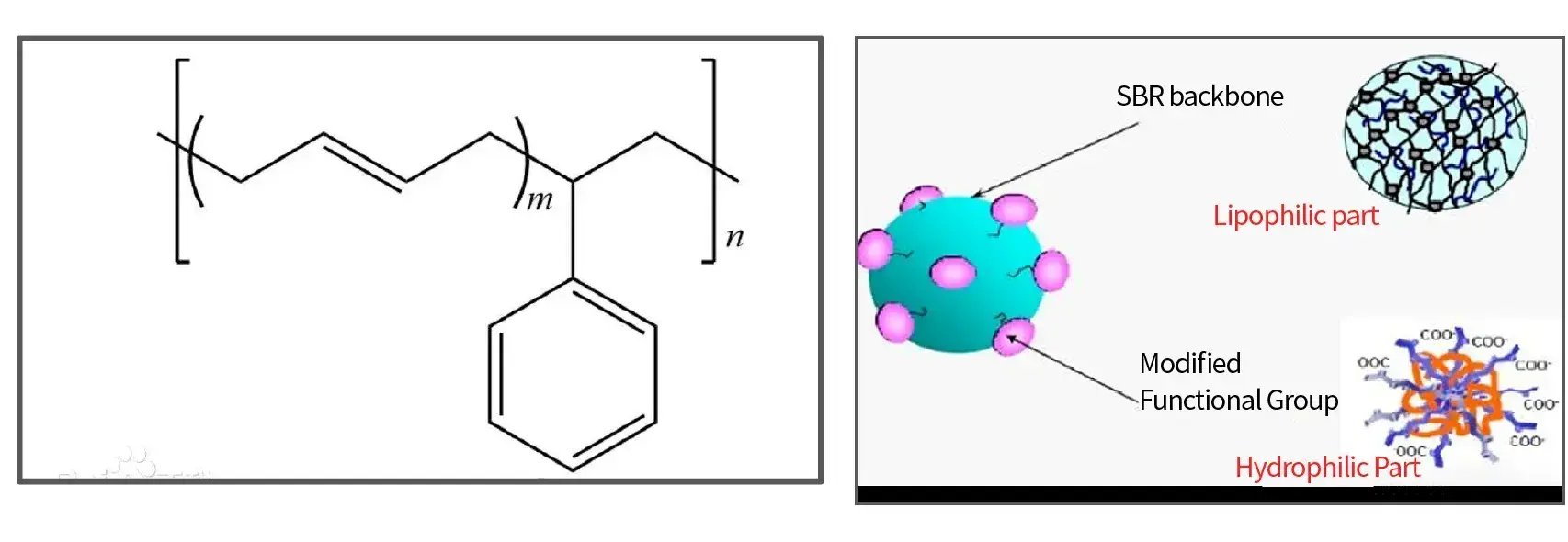
- Scenario: Powder samples obtained by scraping are analyzed via thermogravimetric analysis (TGA) to determine the styrene-butadiene rubber (SBR) content, identify abnormal SBR surface migration, and serve as a dedicated quality control protocol.
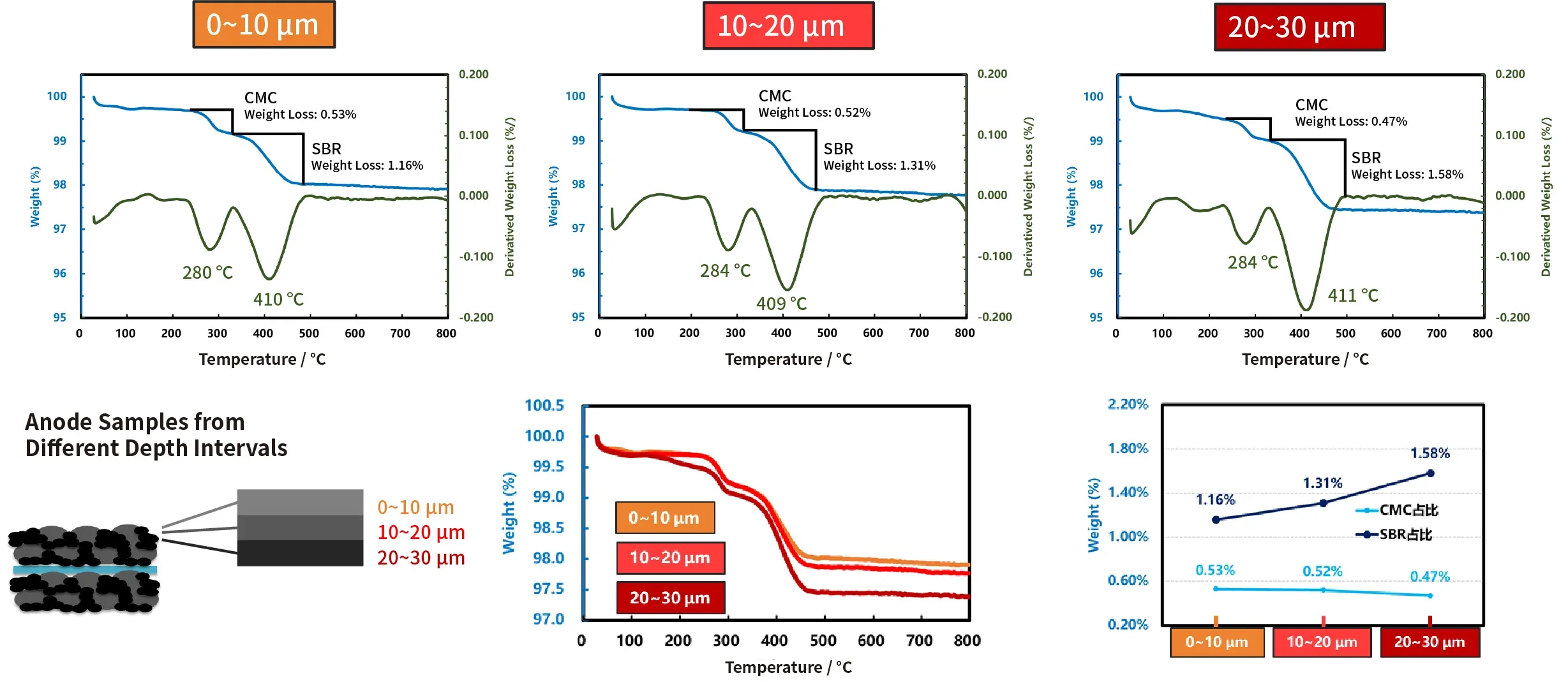
2. Application Case: CMC & SBR Content Analysis
Specifications
| Parameter | LEPS1000 | LEPS2000 | |
|---|---|---|---|
| Dimensions & Weight | Overall Dimensions | 550*600*750 mm | 550*600*750 mm |
| Net Weight | Approx. 150 kg | Approx. 150 kg | |
| Vision-Assisted System | Blade Calibration | Automatic | Automatic |
| Electrode Thickness Measurement | Measurement Method | N/A | Non-contact closed-loop measurement |
| Sample Clamping & Motion Stage | Travel Range | 0-200/500/700 mm (Optional & Adjustable) |
0-200/500/700 mm (Selectable & Adjustable) |
| Tension / Clamping Force | Fixed tension | Fixed tension | |
| Compatible Electrode Size | 300/600/800*20mm | 300/600/800*20mm | |
| Blade & Carrier Platform | Blade Material | Tungsten Steel | Tungsten Steel |
| Control Accuracy | 1μm | 1μm | |
| Effective Sampling Width | 10-55 mm (Optional) | 10-55 mm (Optional) | |