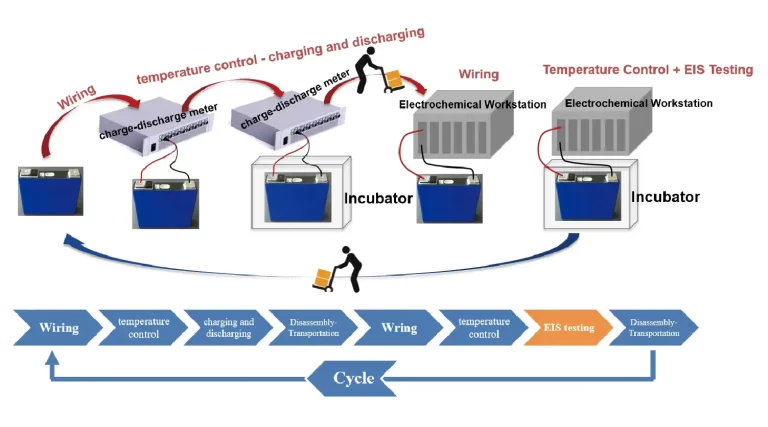
Entering Electrochemistry | Impact of In-Situ and Ex-Situ Testing on Battery EIS Results
Abstract In-situ EIS and ex-situ EIS are the two primary approaches for battery impedance characterization, but their data…

Abstract In-situ EIS and ex-situ EIS are the two primary approaches for battery impedance characterization, but their data…
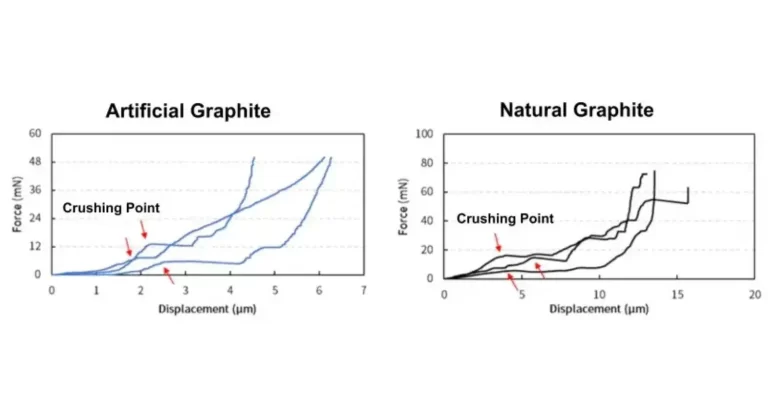
Abstract Crushing strength is the compressive load an individual electrode particle can withstand before mechanical fracture,…

1. Overview As the core of the modern energy system, batteries are widely used in…
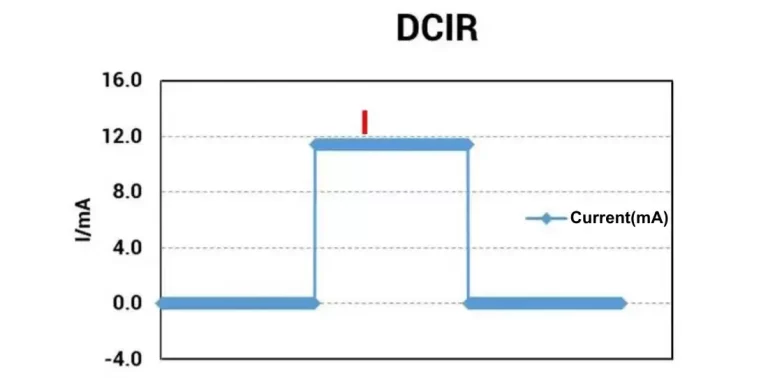
Abstract DCIR, short for Direct Current Internal Resistance, is the total internal resistance of a…
Abstract Electrode tortuosity quantifies the geometric complexity of ion transport pathways within a battery electrode’s pore…
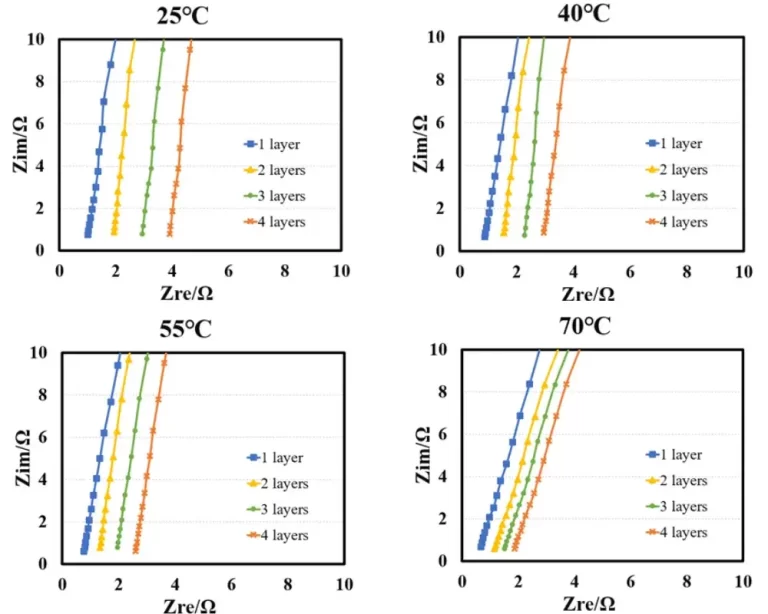
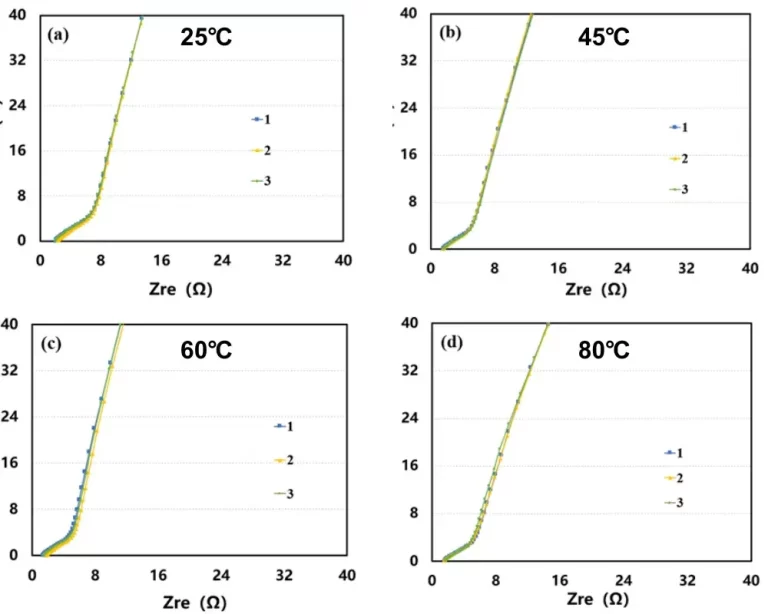
Abstract Separator ionic conductivity increases as temperature rises, primarily because higher temperature lowers electrolyte viscosity…
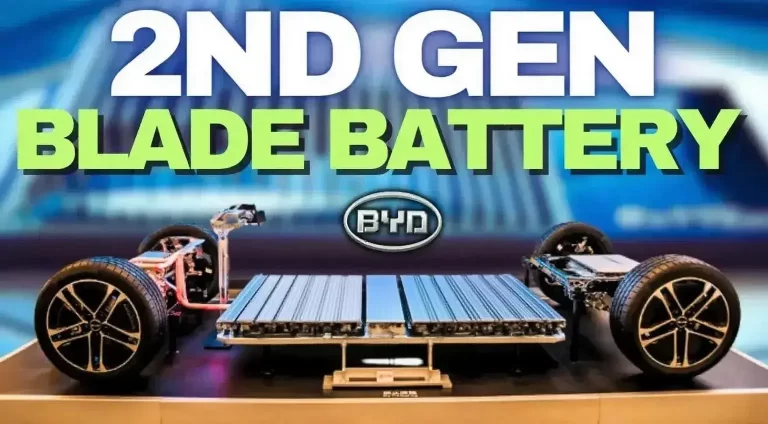
Abstract BYD Blade Battery 2.0 is the second-generation cell platform from BYD, officially released on March…
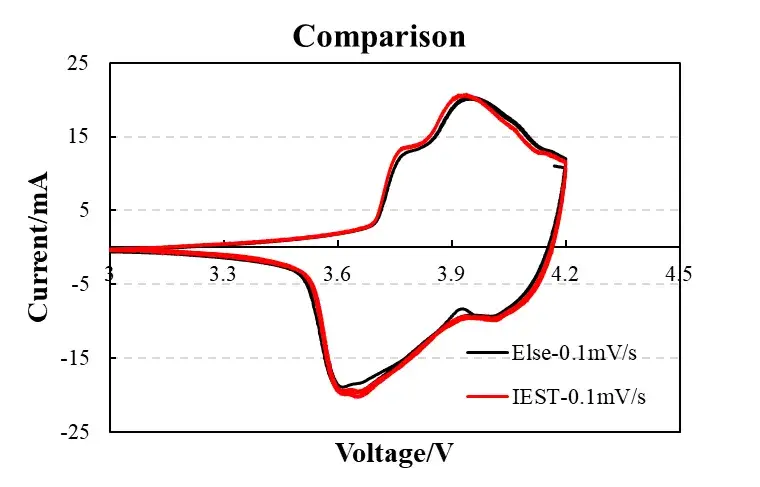
Abstract Cyclic voltammetry (CV) analysis quantifies lithium-ion battery electrode kinetics, electrochemical reversibility, and capacity degradation…

Abstract A charge-discharge test on battery cycler equipment is built from individual test steps, each…

Abstract Electrochemical Impedance Spectroscopy (EIS) battery testing characterizes a cell’s internal electrochemical processes — SEI…